
Blooming
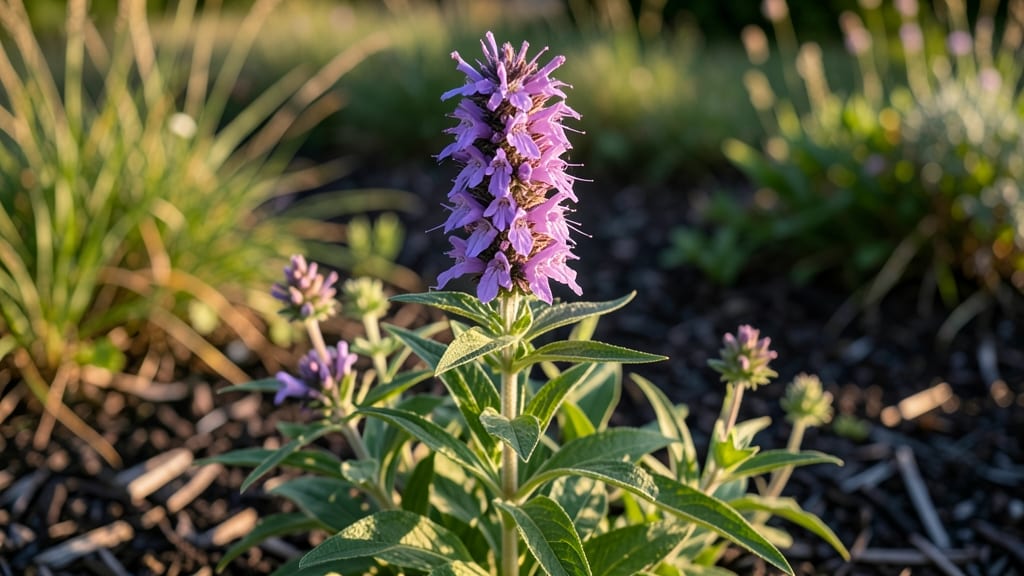
Monarda fistulosa blooms between mid-June and August in most of the U.S., but the exact timing depends on your zone and how you care for it.
If you’ve ever watched your 🐝 Bee Balm sit quietly through spring, only to burst into purple spikes all at once, you know how unpredictable bloom time can be.
In Zone 6a, where I garden, the first flowers usually arrive in late June—but a cool summer can push that back by weeks.
Sunlight, soil moisture, and even last year’s pruning decisions all shift when those fragrant blooms appear. Too little sun? Expect a later, weaker show. Over-pruned? You might miss the second flush entirely.
The good news? With a few simple tweaks, you can coax your plants to bloom earlier—or even twice in one season.
Below, I’ll break down the climate zone map for first and repeat blooms, plus the 3 pruning mistakes that sabotage timing. No guesswork—just science-backed tips to get your Bee Balm showing off on schedule.
Monarda fistulosa bloom time by USDA climate Zone: first flowering predictions
Timing your Monarda fistulosa blooms starts with knowing your USDA climate zone. This hardy perennial typically flowers between late June and August, but exact dates shift dramatically depending on whether you're in Zone 3 (early blooms) or Zone 9 (late blooms).
In colder zones, plants wait for consistent 50°F+ soil temperatures to trigger flowering, while warmer zones may see blooms as early as May if conditions are ideal.
Daylight hours also play a critical role. Monarda fistulosa is a short-day plant, meaning longer daylight periods (common in summer) can delay first blooms in northern zones.
Meanwhile, humidity levels and rainfall patterns create regional variations—wet summers in the Pacific Northwest may push blooms earlier, while drought in the Southwest can delay them by weeks.
Soil moisture and fertility matter too. Well-draining, slightly acidic soil (pH 6.0–7.0) with moderate organic matter ensures healthy growth, but overly rich soil can lead to lush foliage at the expense of flowers.
In Zone 5, for example, dry springs often delay blooms until mid-July, while Zone 8 gardens may see flowers as early as June if rainfall is consistent.
Here’s a quick reference for first bloom timing by zone, including how temperature fluctuations and soil conditions impact your expectations:
| USDA Zone | First Bloom Window | Key Influencing Factor | Regional Notes |
|---|---|---|---|
| Zone 3–4 | Late July–August | Soil warmth (50°F+) | Cold springs delay blooms; mulch helps. |
| Zone 5 | Mid-July–Early August | Daylength (14+ hours) | Drought stress delays blooms; water deeply. |
| Zone 6–7 | June–July | Rainfall consistency | Humid summers may extend blooms. |
| Zone 8–9 | May–June | Early warmth | Heat waves can stress plants; provide afternoon shade. |
In Zone 3–4, where winters are harsh, Monarda fistulosa often waits until late July to bloom because it prioritizes root establishment. To encourage earlier flowers, mulch heavily in spring to warm the soil faster.
In contrast, Zone 8–9 gardens may see blooms as early as May if temperatures rise quickly, but heat stress can shorten the flowering period.
Daylight hours are another critical factor. In Zone 5, where days stretch to 15+ hours by summer, blooms may delay slightly compared to Zone 7, where shorter days trigger earlier flowering. If you’re in a long-daylight zone, consider light pruning in early spring to redirect energy toward blooms rather than foliage.
Soil moisture also shifts bloom timing. In drought-prone Zone 6, Monarda fistulosa may delay blooms until rainfall arrives, while Zone 9 gardens with consistent irrigation can expect prolonged flowering. Always aim for 1–1.5 inches of water weekly during dry spells to avoid stress.
For gardeners in transition zones (e.g., Zone 5b vs. 6a), blooms can vary by 2–3 weeks depending on microclimates. A north-facing bed might bloom later than a south-facing one, even in the same zone.
To standardize timing, plant in full sun (6+ hours) and avoid waterlogged soil—both extremes can delay flowering.
Finally, established plants (2+ years old) bloom 2–4 weeks earlier than younger ones. If your Monarda fistulosa is struggling to flower, check for overcrowding or nutrient deficiencies.
A light spring fertilizer (10-10-10) can boost blooms in Zones 5–8, but skip it in Zone 9 where heat already stimulates growth.
🌿
How to trigger a second bloom in Monarda fistulosa (and when it’s unlikely)
Wild bergamot (Monarda fistulosa) often delivers one stunning bloom cycle, but with the right techniques, you can coax a second flush of flowers. The key lies in deadheading spent blooms, strategic pruning, and soil care—all while respecting your USDA zone.
In warmer climates like Zone 7 or 8, a second bloom is highly achievable, but in colder zones like Zone 4 or 5, success depends on heat and timing.
Start by deadheading flowers as they fade—this redirects the plant’s energy toward new growth. Use clean, sharp pruning shears to snip just above the first set of healthy leaves. Avoid cutting into old wood, or you risk stunting future blooms.
For soil health, add a balanced fertilizer (like 10-10-10) in early summer to support regrowth, but skip heavy feeding in late summer to avoid tender new growth before frost.
Timing matters most. In Zones 5-6, wait until after the first frost risk has passed (typically mid-June) before pruning.
In Zones 7-9, you can prune as early as late July to encourage a late-summer rebloom. Mulch around the base with organic matter like shredded leaves or straw to retain moisture and protect roots from temperature swings.
Watch for over-pruning mistakes—cutting back too aggressively can leave your plant vulnerable to pests or winter damage. Never remove more than one-third of the plant’s height at once. If your Monarda fistulosa struggles to rebloom, it may need more sunlight.
Move it to a sunnier spot (6+ hours of direct light) and monitor soil moisture—drought stress can delay flowering.
For extra blooms, try dividing mature clumps every 3-4 years in early spring. This rejuvenates growth and often triggers earlier, more abundant blooms. Just dig up the root ball, separate the sections, and replant with fresh compost.
Pair this with regular deadheading, and you’ll extend your Monarda fistulosa’s bloom season by weeks.
In the end, patience and precision pay off. While Zones 3-4 may only see sporadic second blooms, gardeners in Zones 7-9 can enjoy nearly year-round color with the right care. Start with deadheading, adjust your pruning, and let your wild bergamot shine twice! 🌿