
Blooming
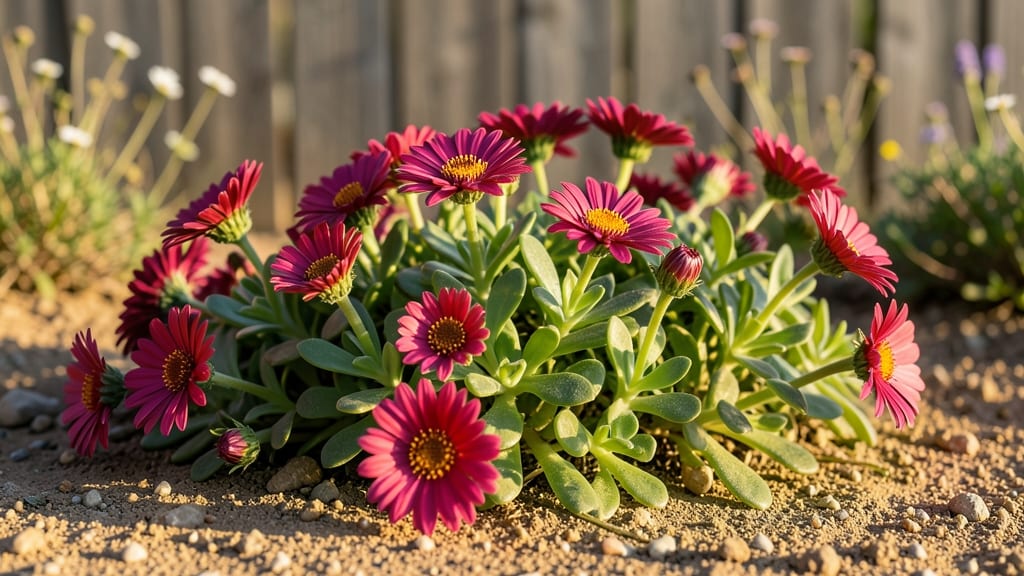
The moss rose bloom time runs from late spring through early summer, with flowers lasting 4-6 weeks when grown in ideal conditions of consistent warmth and long daylight hours. Pruning spent blooms regularly helps extend the flowering period.
Understanding the moss rose bloom time starts with recognizing its seasonal cues.
These delicate flowers thrive when daytime temperatures hover between 60-85°F, with cooler nights helping set buds. 🌸 In regions with shorter summers, you might see blooms shift slightly later, while southern climates often enjoy earlier and longer displays.
The key is providing full sun exposure—at least 6-8 hours daily—to trigger the flowering process.
Once blooms appear, maintaining their vibrancy requires consistent care. Regular deadheading (removing faded flowers) redirects the plant's energy toward new growth, potentially adding 2-4 extra weeks to the bloom cycle.
I've found that a balanced fertilizer with equal parts nitrogen, phosphorus, and potassium—applied every 4-6 weeks—keeps plants healthy and flowering longer. Watering at the base (not overhead) prevents fungal issues that can shorten bloom time.
💡 In This Article
- Climate and Light Requirements for Moss Rose Flowering
- Extending Moss Rose Blooms: Pruning and Care Tips
Climate and light requirements for moss rose flowering
Moss roses rely on a precise balance of warmth and daylight to trigger their flowering cycle. The ideal temperature range for bud formation sits between 60-85°F, with cooler nights (50-60°F) actually helping set buds more effectively.
This is because the temperature differential between day and night signals the plant it's time to flower—a process called vernalization.
In my experience, plants in USDA zones 9-11 often bloom earlier (as early as March) because they naturally receive more consistent warmth, while northern gardeners may see blooms delayed until June.
The length of daylight plays an equally crucial role. Moss roses are short-day plants, meaning they need 12-14 hours of daylight to initiate flowering. When days lengthen beyond this threshold (common in late spring), the plant recognizes it's time to produce flowers.
This explains why you'll see peak blooming in late spring to early summer—when daylight hours are long but not yet at their summer maximum. In regions with longer summer days (like the Pacific Northwest), blooms might last slightly longer because the plant continues receiving adequate light.
Sunlight intensity matters just as much as duration. Moss roses require full sun exposure—at least 6-8 hours daily—to develop vibrant blooms. Partial shade can lead to leggy growth and fewer flowers. The reason? Sunlight drives photosynthesis, which produces the energy needed for flower production.
I've noticed that plants receiving morning sun and afternoon shade still bloom, but the flowers are noticeably smaller and less vibrant than those in full sun. For container-grown moss roses, placing them on a south-facing balcony or patio maximizes exposure.
Regional variations create interesting adjustments. In southern climates, where summers are hot and humid, moss roses may bloom earlier but require afternoon shade to prevent heat stress. Conversely, in cooler northern regions, blooms might appear later but last longer into early summer.
The key is monitoring your local climate patterns—if your area experiences unusually hot summers, providing afternoon shade can prevent bud drop and extend the flowering period by 1-2 weeks.
Humidity also plays a subtle but important role. Moss roses prefer moderate humidity (40-60%)—too much can lead to fungal issues like powdery mildew, which weakens plants and shortens bloom time. In dry climates, light mulching around the base helps retain moisture while preventing soil-borne diseases.
The right balance keeps flowers looking fresh and vibrant longer, making the 4-6 week bloom cycle feel even more rewarding.
Here's what happens when conditions aren't ideal: Inconsistent temperatures (like sudden cold snaps) can delay blooming by 2-3 weeks, while insufficient light results in sparse, weak flowers. I've seen moss roses in shaded gardens produce blooms, but they're often pale and short-lived.
The solution? Strategic placement—even a few hours of direct sun can make a noticeable difference in bloom quality and duration.