
Blooming
Frost damage can devastate your okra plants, but strategic bloom dust applications can trigger rapid reblooming. These 10 proven triggers help restore productivity and maximize your harvest season after cold snaps.
Calcium Nitrate Fertilizer Spray
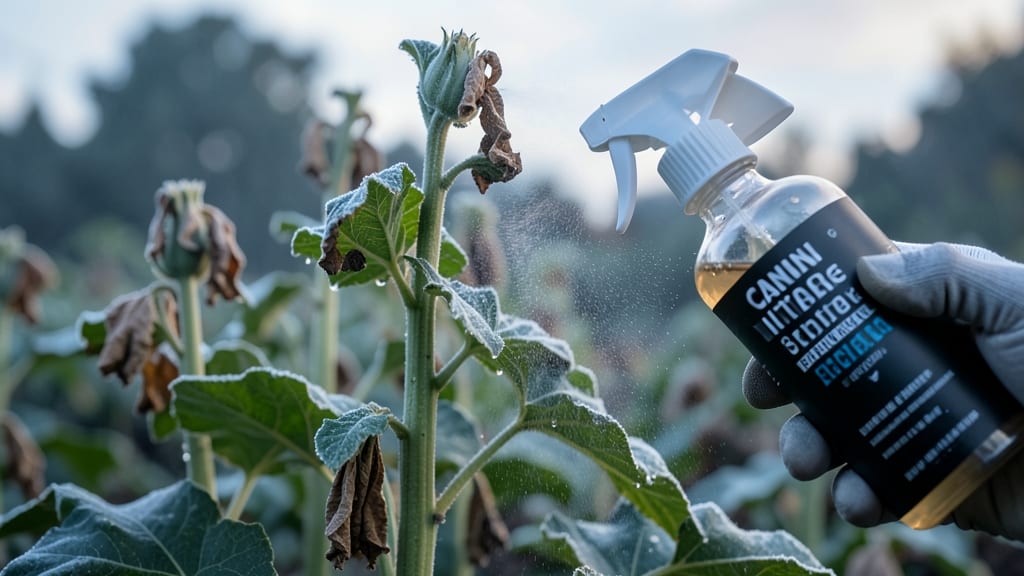
When your okra plants show stunted growth or brown tips after frost, calcium nitrate fertilizer spray is the two-in-one solution you need. This powerhouse treatment delivers rapid nitrogen uptake while strengthening cell walls damaged by cold stress—helping plants bounce back faster than other fertilizers alone.
Mix 1 tablespoon of calcium nitrate per gallon of water and apply as a foliar spray in the early morning or evening to prevent leaf burn. Reapply every 7-10 days until new growth appears, focusing on both leaves and stems. The calcium component is especially critical for okra, which is prone to blossom-end rot when calcium levels drop after frost damage.
This is the go-to treatment for gardeners dealing with post-frost recovery—ideal for those who want to revive plants without waiting weeks for soil amendments to take effect. 💪
Humic Acid Soil Drench
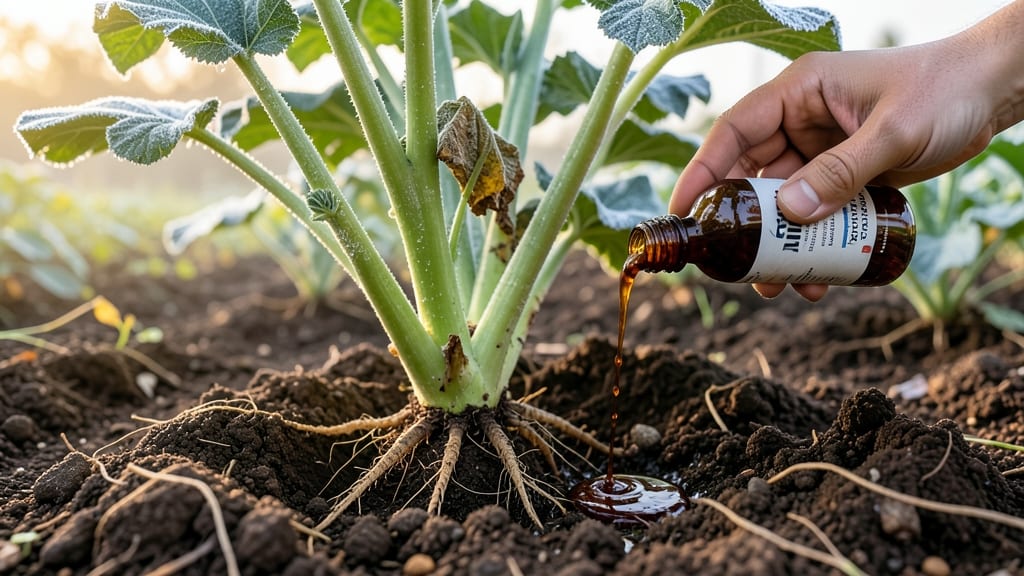
When frost weakens your okra’s roots but leaves the stems intact, a humic acid soil drench acts like a breath of fresh air for underground recovery. This organic compound doesn’t just feed roots—it enhances their ability to "breathe," helping them absorb nutrients more efficiently even when stressed.
Mix 1 tablespoon of liquid humic acid per gallon of water and apply directly to the soil around frost-damaged plants. The key benefit? It stimulates root respiration, which is critical for plants struggling to bounce back after cold snaps. For best results, apply this drench every 2-3 weeks until new growth appears, especially in well-draining soil where roots need extra support.
This solution is ideal for gardeners dealing with compacted or nutrient-poor soil after frost, as it also improves soil structure. 💚
Fish Emulsion Foliar Feed
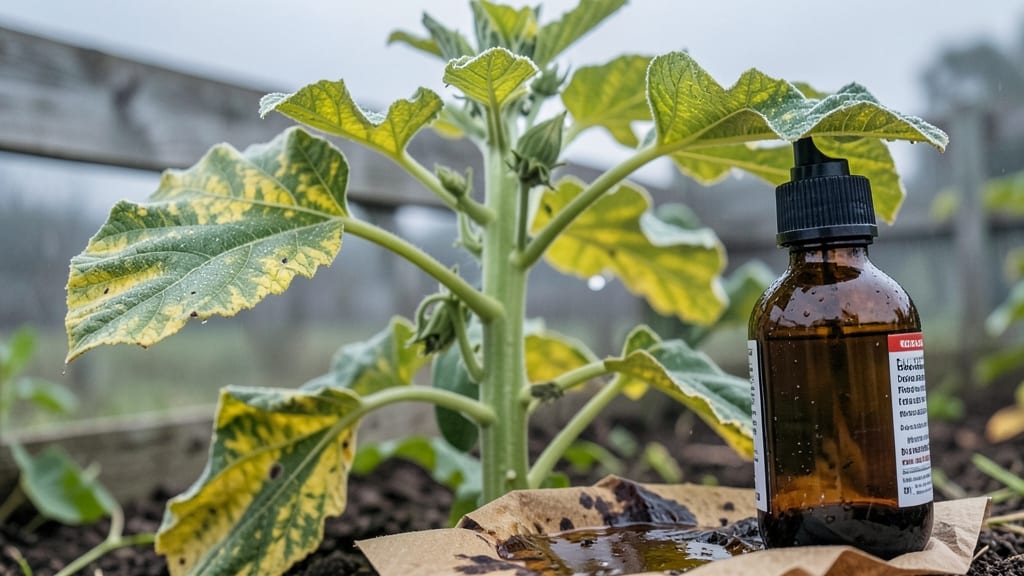
When your okra plants show chlorosis (yellowing leaves) or weak new growth after frost, they’re starving for quick nutrients—but their roots may be too damaged to absorb them. That’s where fish emulsion foliar feed shines, delivering a nutrient punch directly to the leaves where it’s instantly available.
This liquid fertilizer is packed with nitrogen and micronutrients like iron, zinc, and magnesium, which help repair frost-stressed cells and kickstart new growth. Apply it in the early morning or late afternoon to avoid leaf burn, using a 1-2% dilution (1-2 tbsp per gallon of water). Reapply every 7-10 days until you see fresh, vibrant leaves emerging.
Gardeners with frost-sensitive plants—especially those in cooler climates—will find this the fastest way to revive struggling okra without waiting for roots to recover. 🌱
Epsom Salt Solution
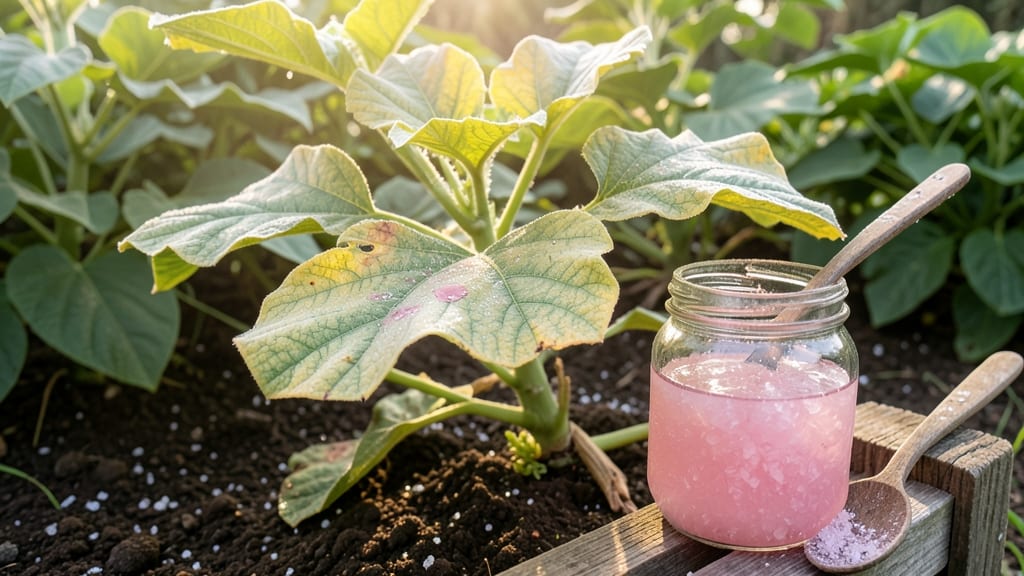
If your okra plants are struggling with yellowing leaves or sluggish growth after a light frost, an Epsom salt solution could be the quick fix you need. This simple, magnesium-rich remedy works by enhancing chlorophyll production, helping plants bounce back faster and recover their vibrant green color.
Mix 1 tablespoon of Epsom salt into 1 gallon of water and apply it as a soil drench or foliar spray every 2-3 weeks during the growing season. The magnesium boost directly improves photosynthesis efficiency, ensuring your okra plants can absorb sunlight more effectively and rebuild energy reserves after cold stress. This method is especially effective for plants showing signs of magnesium deficiency, like yellowing between leaf veins.
Gardeners dealing with nutrient-deficient soils or frost-damaged okra will see the fastest results. It’s a budget-friendly, organic way to revive struggling plants without harsh chemicals. 🌱
Seaweed Extract Mist
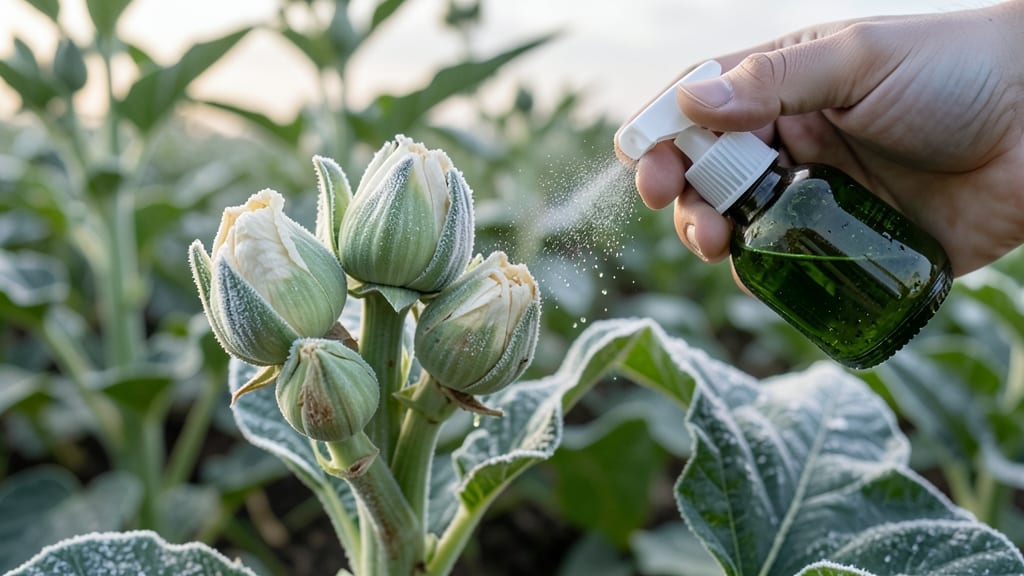
When frost turns your okra's delicate flower buds into brittle husks, don't give up—seaweed extract mist can work miracles. This ocean-derived elixir contains natural cytokinins, plant hormones that kickstart cell division exactly where you need it most: damaged blooms. Unlike chemical bloom boosters, seaweed extract stimulates growth without harsh side effects.
Mix 1 tablespoon of liquid seaweed extract with 1 gallon of water, then lightly mist your okra's stems and buds in the early morning. The kelp-derived nutrients also strengthen cell walls, helping plants resist future cold stress. For best results, apply every 5-7 days until you see new buds forming. This method works particularly well for organic gardeners who prefer natural solutions over synthetic fertilizers.
Gardeners dealing with late-season frosts or those who want to extend their okra harvest will find this the most gentle yet effective way to coax new blooms. The added bonus? Your plants develop better resistance to future environmental stressors. 🌻
Molasses Soil Amendment
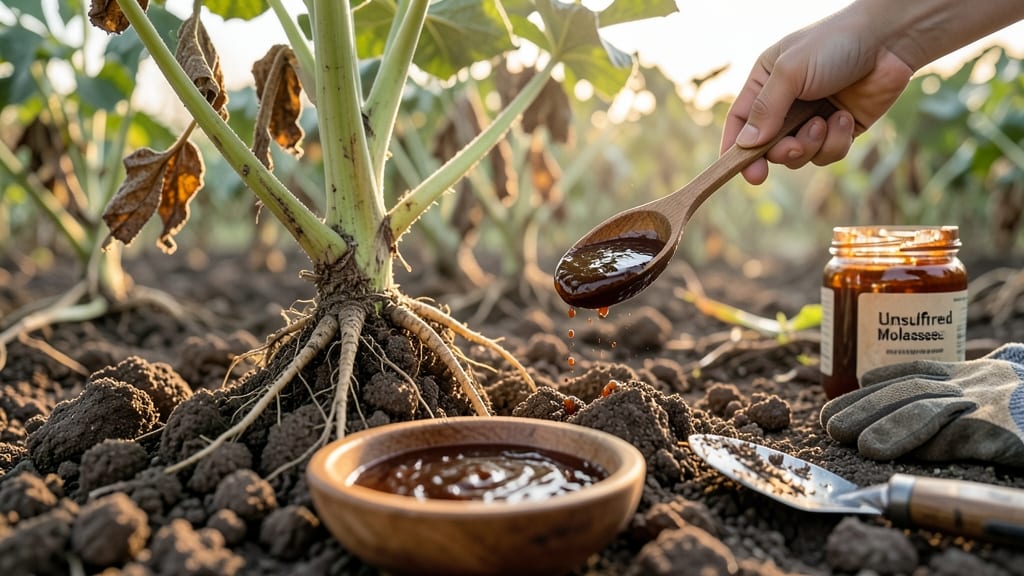
If your okra plants are struggling with stunted roots or compacted soil after frost, a simple molasses soil amendment might be your secret weapon. This natural sweetener isn’t just for baking—it’s a powerhouse for reviving soil microbes that help roots recover and thrive.
Mix 1 tablespoon of unsulfured molasses per gallon of water and pour it around the base of your plants, watering it into the soil. The sugars feed beneficial bacteria and fungi, which in turn break down nutrients and make them more accessible to struggling roots. For compacted garden beds, work it into the top 6 inches of soil before planting new okra to loosen density and improve aeration.
This is the perfect solution for gardeners dealing with post-frost recovery or heavy clay soils—it’s organic, budget-friendly, and works wonders for plants that need a microbial boost. 🌱
Potassium Sulfate Bloom Trigger
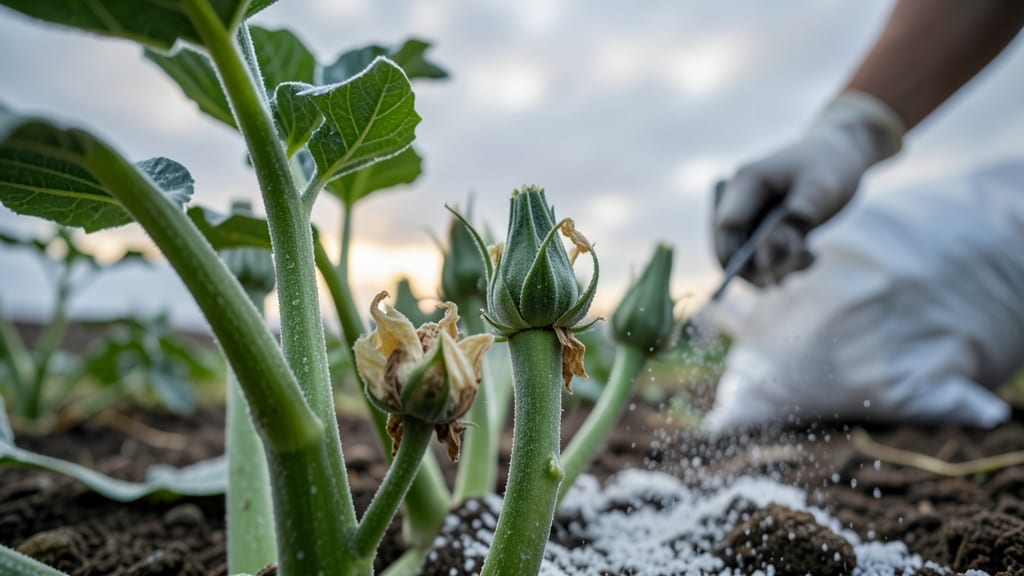
If your okra plants have lost their blooms to frost but still boast sturdy stems, potassium sulfate is the secret weapon to coax new flowers back to life. Unlike other fertilizers that focus on leafy growth, this mineral directly triggers the flowering hormones that restart the blooming cycle—ideal for plants that look strong but have gone dormant.
Mix 1 tablespoon of potassium sulfate per gallon of water and apply it as a soil drench or foliar spray every 10-14 days during the growing season. The key is consistency—this isn’t just a one-time fix. For best results, pair it with a light phosphorus boost (like bone meal) to support root development, which helps sustain the new blooms. Okra responds quickly, often producing fresh flowers within 2-3 weeks of consistent treatment.
This is the perfect solution for gardeners who’ve lost their okra harvest to early frost but refuse to give up on the season. With just a few applications, you’ll be back to enjoying those iconic purple blooms—and the pods that follow! 🌻
Baking Soda Leaf Rinse
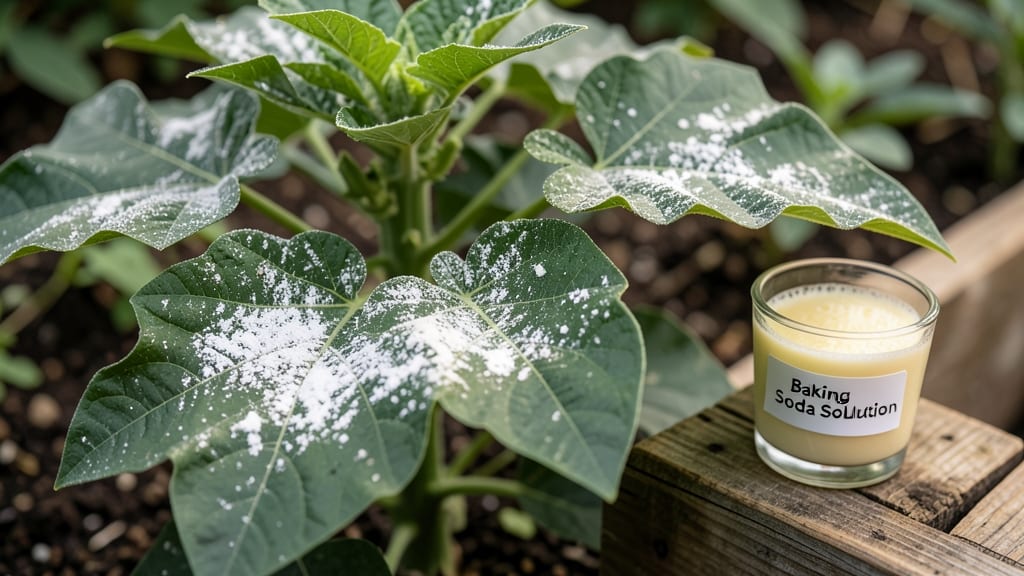
If your okra plants are covered in white powdery deposits or showing signs of fungal stress after a frost, a simple baking soda leaf rinse can work wonders. This household remedy doesn’t just clean—it restores the leaf’s natural pH balance, creating an inhospitable environment for fungal spores while gently removing harmful frost residue that can block sunlight.
Mix 1 teaspoon of baking soda with 1 quart of water, adding a drop of dish soap to help the solution stick. Spray this mixture onto the leaves in the early morning when humidity is low, ensuring full coverage of both upper and lower leaf surfaces. Reapply every 5-7 days until the powdery residue disappears and new growth appears. This method is especially effective for organic gardeners who prefer non-toxic solutions.
The beauty of this approach is its dual action: it cleans while protecting, making it ideal for gardeners dealing with post-frost fungal issues or okra bloom dust. 🌿
Compost Tea Foliar Spray
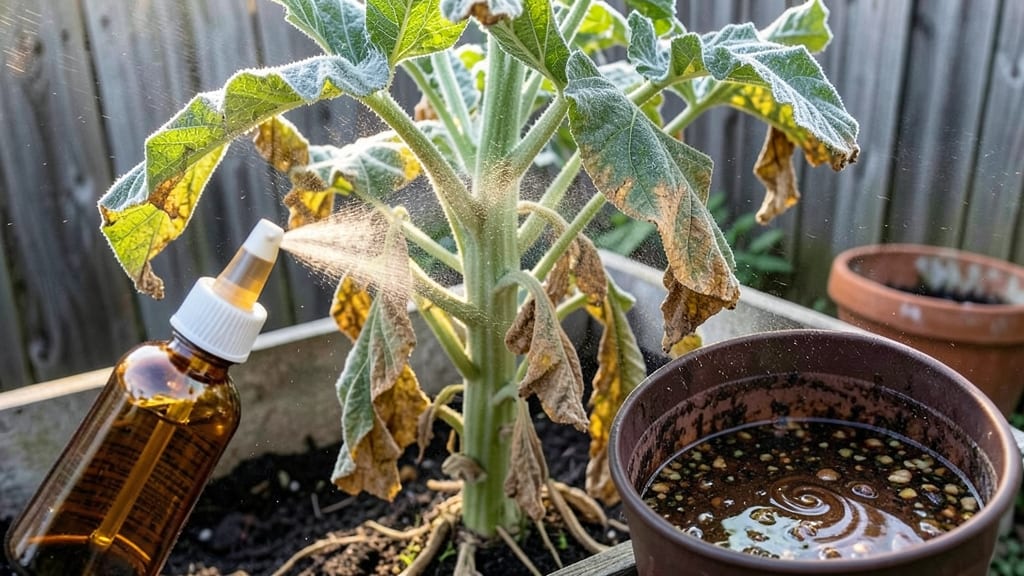
When your okra plants look wilted and lethargic after a severe frost—like they’ve lost their spark—compost tea foliar spray is the all-in-one recovery treatment you need. Unlike single-nutrient solutions, this liquid gold delivers a balanced cocktail of nutrients and beneficial microbes that jumpstart cellular repair and boost immunity, helping plants bounce back faster than chemical fertilizers alone.
Brew your own by steeping compost in water for 24-48 hours, then strain and spray the tea directly onto leaves and stems in the early morning. The microbes in compost tea form a protective biofilm on plant surfaces, reducing stress while delivering 16 essential nutrients, including phosphorus for root recovery and potassium for frost resilience. For best results, apply every 7-10 days until new growth appears, focusing on the undersides of leaves where microbes can colonize most effectively.
This is the perfect solution for gardeners dealing with systemic plant weakness after frost, especially in organic systems where soil health is a priority. 🌿
Hydrogen Peroxide Root Soak

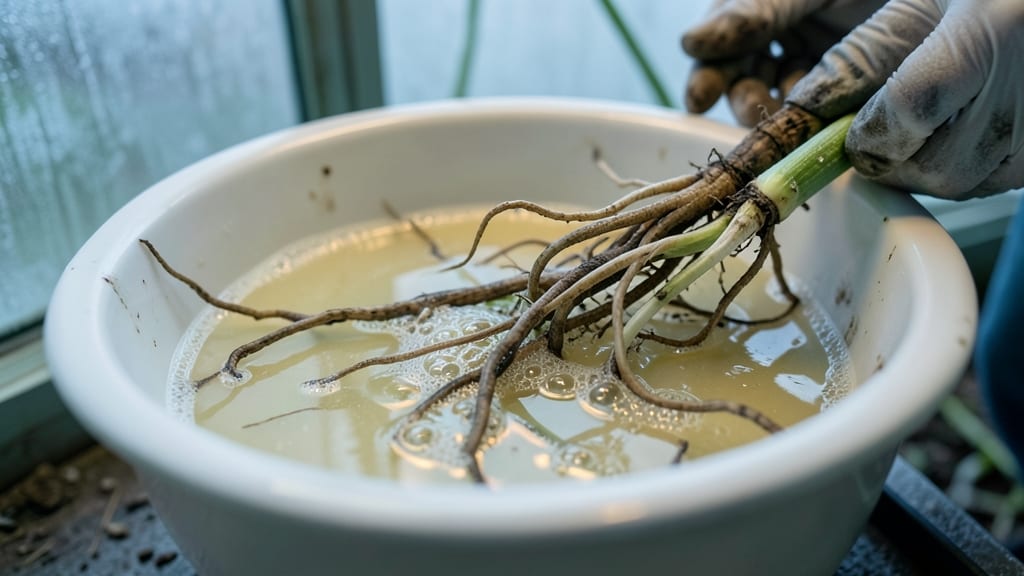
When frost turns your okra's roots into a tangled mess of brown, brittle strands, a hydrogen peroxide root soak can be the game-changer you need. Unlike other treatments that focus on leaves or soil surface, this solution goes straight to the root zone, delivering oxygen directly to deprived roots while killing harmful pathogens that thrive in cold-damaged soil.
Mix 1 tablespoon of 3% hydrogen peroxide per gallon of water and gently pour it around the base of your okra plants, letting it soak into the soil. The bubbling action aerates compacted roots while the mild antiseptic properties help prevent rot. For severe frost damage, repeat this treatment every 5-7 days until you see new root hairs emerging from the soil surface. This method works best for plants showing wilting despite adequate water or those with blackened root tips after cold exposure.
This is the ultimate solution for gardeners dealing with waterlogged or frost-compacted soil—it's fast, chemical-free, and gives struggling roots the oxygen boost they desperately need to revive. 🌱