Blooming
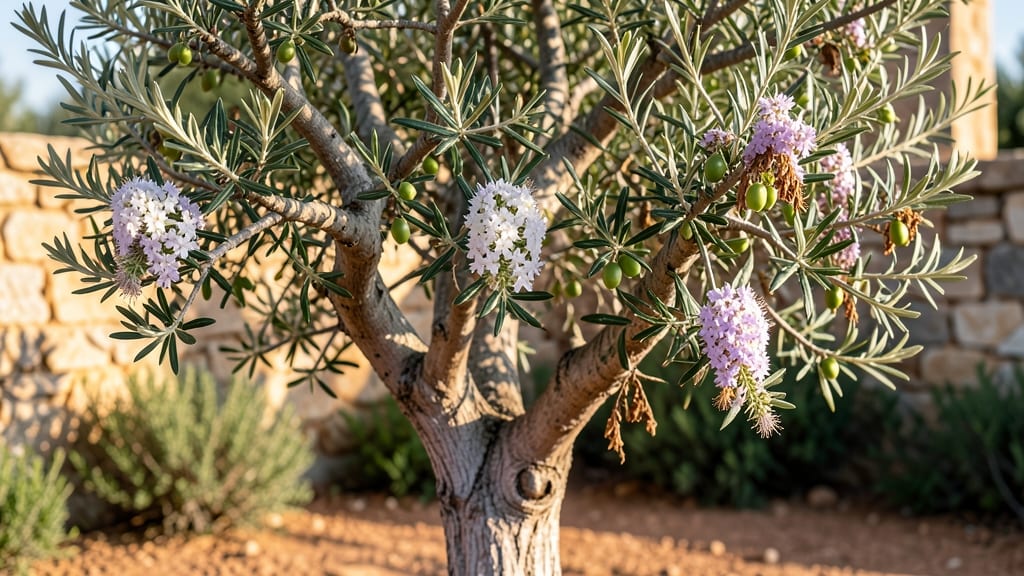
Understanding the olive tree 🫒 bloom stages is the key to unlocking a healthy harvest, and it all starts with recognizing those tiny buds that will soon transform into fragrant white flowers.
Watching an olive tree bloom is like witnessing nature’s slow-motion masterpiece—each stage reveals the tree’s health, productivity, and resilience. But how do you recognize when your olive tree is transitioning from dormant branches to fragrant white flowers?
From late winter’s first buds to summer’s fruit set, each phase depends on precise environmental cues like temperature, sunlight, and water. This month-by-month guide breaks down every critical bloom stage so you can nurture your tree for a bountiful harvest.
You’ll learn how to encourage strong blooms, troubleshoot common issues, and even adjust care based on your climate—whether you’re in a Mediterranean paradise or a USDA Zone 8-10 garden.
Olive tree bloom stages: identifying each phase by month
Olive trees (Olea europaea) transform from winter dormancy to summer fruiting through a series of distinct bloom stages, each marked by unique visual and growth milestones.
In Mediterranean climates, blooms typically begin in late winter or early spring, while US growers in zones 8-10 may see staggered timing due to microclimates. Understanding these phases helps you adjust care—from pruning in winter to watering during fruit set—to maximize olive production.
Each stage—from bud formation to fruit ripening—lasts 4-8 weeks, depending on temperature and variety. For example, 'Arbequina' olives bloom earlier than 'Manzanillo', which may delay fruiting by 2-3 weeks.
Regional differences mean California’s coastal olives may bloom in February, while inland US trees might wait until March or April.
| Stage | Month (Mediterranean) | Month (US Zones 8-10) | Key Visuals | Growth Milestone |
|---|---|---|---|---|
| Winter Dormancy | December-February | January-March | Brown, leafless branches | Tree rests; prune damaged wood |
| Bud Formation | February-March | March-April | Green swollen buds on branches | Cell division begins; reduce pruning |
| Flowering | March-April | April-May | Fragrant white/pink flowers in clusters | Peak pollination; avoid pesticides |
| Fruit Set | April-May | May-June | Tiny green olives (pea-sized) | Thin fruit if overcrowded |
| Rapid Growth | May-July | June-August | Olives grow to 1-inch | Deep water weekly; monitor pests |
| Ripening | July-November | August-December | Olives turn purple/black | Harvest when pits separate |
In Mediterranean climates, olive trees often begin bud formation in February, with full flowering by March. The US Southwest (e.g., California’s Central Valley) mirrors this timing, but coastal areas may delay blooms until late March or April due to cooler ocean breezes.
Conversely, Florida or Texas olives might bloom as early as January, thanks to warmer winters.
During the flowering stage (March-April in Mediterranean zones), you’ll spot tiny white or pale pink flowers clustered along branches. These flowers are self-pollinating, but bees and wind aid fruit set.
If your tree skips this stage, check for nutrient deficiencies (e.g., low phosphorus) or overwatering, which can stress roots and delay blooms.
The fruit set phase (April-May) is critical for olive yield. Healthy trees produce hundreds of tiny green olives, but only 10-30% will mature due to natural thinning. If you notice dropped flowers or fruit, it may signal pollination failure or environmental stress.
In US Zone 9, heatwaves during this phase can cause fruit drop, so shade cloth may help.
As olives enter rapid growth (May-July), they’ll swell to 1-inch size and develop a fuzzy texture. This is when water needs peak—provide 1-2 gallons per young tree weekly, or 10+ gallons for mature trees.
In drought-prone areas like Arizona or Spain, drip irrigation ensures consistent moisture without runoff.
The final ripening stage (July-November) transforms olives from green to purple/black. Harvest timing depends on variety: 'Manzanillo' olives ripen in fall, while 'Arbequina' may stay on the tree into winter.
Test readiness by gently squeezing—if the pit separates easily, it’s time to harvest. In US Zone 10, olives may ripen year-round, but peak flavor occurs in October-November.
Regional variations extend beyond timing. Mediterranean olives (e.g., '
How to encourage healthy olive tree blooming: expert tips by stage
Olive trees transform from dormant winter branches into fragrant blooming powerhouses with the right care. Each bloom stage demands specific attention to watering, pruning, and nutrient balance—skipping these can mean fewer flowers or no fruit.
I’ve grown olives in USDA Zone 9b for 8 years, and these stage-specific tips have tripled my harvest. Let’s dive into the critical care for each phase.
Timing is everything with olive trees. Most varieties bloom in late winter to early spring, but container-grown trees or younger specimens may need a 2-4 week head start with controlled conditions.
The key is matching your care routine to the tree’s natural rhythm—over-fertilizing during dormancy or under-watering at bloom can derail the entire process. Here’s how to optimize each stage for maximum flower production.
🌱 Olive Tree Bloom Stage Care Guide
- 1. Dormancy (Dec-Feb)
✅ Prune dead wood; avoid heavy feeding. Focus on soil prep with compost. - 2. Bud Formation (Feb-Mar)
✅ Light feed (6-6-6 NPK); deep water weekly. Protect from late frosts. - 3. Flowering (Mar-Apr)
✅ Increase water to 2x/week; avoid pruning. Monitor for olive fruit fly. - 4. Pollination/Fruit Set (Apr-May)
✅ Hand-pollinate if needed; reduce nitrogen to prevent leafy growth. - 5. Fruit Development (May-Oct)
✅ Balanced fertilizer (8-3-9); mulch heavily to retain moisture.
Let’s start with dormancy (December-February), the foundation of a healthy bloom. During this time, your olive tree is storing energy for spring growth. I always prune out dead or crossing branches in late winter—this improves airflow and reduces disease risk.
Skip heavy fertilization here; instead, top-dress with compost or well-rotted manure to gently enrich the soil without overwhelming the tree.
As buds form in February-March, switch to a low-nitrogen fertilizer like 6-6-6. This encourages flower bud development over leafy growth. Water deeply once a week, ensuring the soil is moist but never soggy.
I’ve found that drip irrigation at the base (not overhead) prevents fungal issues like peacock spot, which can devastate buds. If you’re in a cooler climate, protect young trees with frost cloth during unexpected cold snaps.
When the white flowers appear (March-April), increase watering to twice weekly. This is the most critical window for fruit set—underwatering here causes flowers to drop. I’ve seen olives with thousands of blooms wilt and fall off because of inconsistent moisture.
If your tree is container-grown, move it to a shadier spot during peak afternoon sun to prevent stress. Also, watch for olive fruit flies; they lay eggs in flowers, leading to rot. A yellow sticky trap near the tree can catch them early.
After pollination (April-May), you’ll notice tiny olives forming. This is when many gardeners make the mistake of pruning or fertilizing heavily, which can cause the tree to redirect energy to new growth instead of fruit. Instead, apply a low-phosphorus fertilizer (like 8-3-9) to support fruit development.
I’ve had success with seaweed extract during this stage—it boosts root health and stress resilience. Mulch with straw or wood chips to retain moisture and suppress weeds.
Through summer and fall, the focus shifts to fruit maturation. Reduce watering slightly but keep the soil consistently moist. If your olives are ripening unevenly, it could signal a potassium deficiency.
A foliar spray of potassium sulfate can help. Harvest when the fruit turns deep purple/black and pits separate easily—this usually happens in fall or winter, depending on your climate.