
Blooming
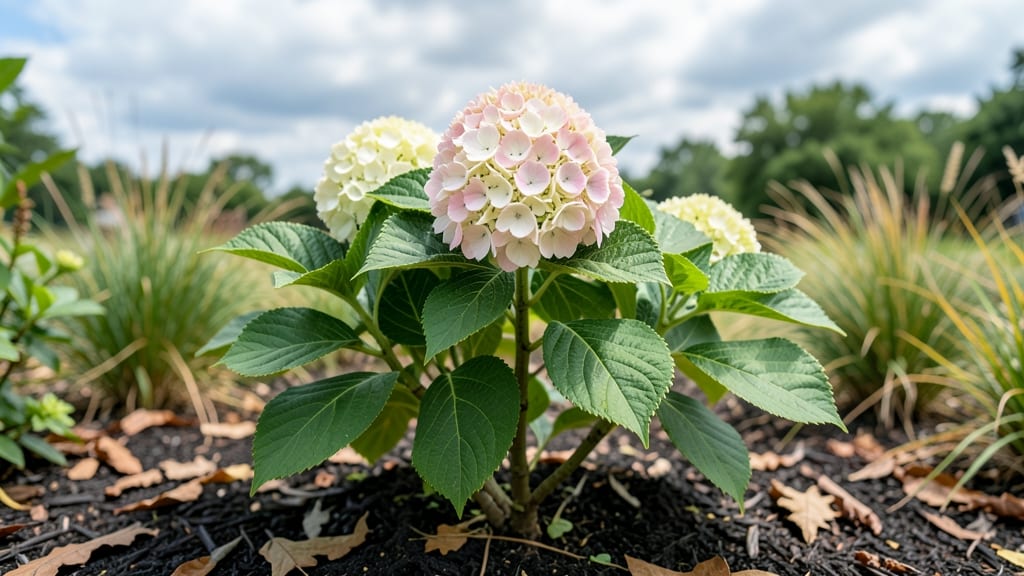
Panicle hydrangeas bloom at the perfect late-summer time when most gardeners least expect it—when the air turns crisp and the garden winds down. 🌿 I’ve watched my ‘Limelight’ and ‘Little Lime’ bushes explode with color in August, long after other hydrangeas have faded, proving they’re the unsung heroes of the season.
The secret lies in their cold-hardy nature: they store energy all winter, then burst into blooms when temperatures dip just right after summer’s heat.
These varieties thrive in USDA zones 3-8, meaning they’ll survive winters that would kill tender plants—and even rebound after unexpected frosts.
The key is choosing the right cultivar: ‘Grandiflora’ blooms on old wood, so late-season pruning can extend its show, while ‘Limelight’ blooms on new growth, giving you flexibility in shaping.
Most gardeners underestimate how long they’ll last: with proper care, they can flower for 6-8 weeks, turning your yard into a late-season spectacle.
What you’ll love most is how low-maintenance they are. They tolerate drought once established, handle shade or sun, and even bounce back after heavy pruning. The blooms start as soft green cones, deepening to white, pink, or copper—depending on the variety—as fall approaches.
For gardeners in colder zones, this means fewer deadheading chores and more reliable color when other plants are fading.
Here’s the game-changer: prune in late winter or early spring (not fall) to encourage strong new growth for next year’s blooms. In warmer zones, a light trim after flowering keeps them compact.
Whether you’re in a northern climate or a mild southern winter, these hydrangeas deliver when others quit—making them the perfect cold-hardy showstopper for any garden.
📚 In This Guide
- What you need
- Instructions
- Tips and common mistakes
- Wrapping up and next steps
What you need
- ● Panicle hydrangea plants: Cold-hardy varieties like 'Limelight', 'Little Lime', or 'Vanille Fraise' (3–6 plants, depending on desired coverage).
- ● Well-draining potting mix: 5–10 gallons (or enough to fill containers if planting in pots). Pro tip: Mix in perlite or sand for better aeration!
- ● Organic mulch: 2–3 inches of shredded bark or wood chips (covers the root zone to protect from frost).
- ● Balanced fertilizer: 10-10-10 or 20-20-20 (1–2 tbsp per plant at planting time).
- ● Pruning shears: Sharp, clean pair (sterilize with rubbing alcohol to prevent disease).
- ● Garden gloves: Heavy-duty (to protect hands from thorns and rough stems).
- ● Garden trowel or spade: For digging planting holes (12–18 inches deep and wide).
- ● Watering can or hose with nozzle: For deep watering (1–2 gallons per plant, 2–3 times per week).
- ● Frost cloth or row covers: Lightweight fabric (for young plants or late frosts).
- ○ Epsom salt (optional): 1 tbsp dissolved in water (monthly feed for magnesium boost).
- ○ Stakes & twine (optional):strong> For supporting tall varieties like 'Grandiflora' in windy areas.
How to time panicle hydrangea blooms for reliable cold-hardy seasons
Panicle hydrangeas thrive where others falter—here's how to predict and extend their stunning late-summer blooms through frost.
🌱 Step 1: Choose the Right Variety for Your Climate Zone
Panicle hydrangeas like 'Limelight' and 'Little Lime' bloom on new wood, meaning they produce flowers on current season's growth rather than last year's. This makes them uniquely resilient after frost—unlike mophead types that rely on old wood. For zones 4-8, select varieties bred for cold tolerance like 'Annabelle' or 'Grandiflora' hybrids, which develop flower buds in early summer and rebound after winter dieback.
Here's the key: plant in full sun to partial shade (at least 6 hours of direct light daily). Too much shade delays bud formation, while too much sun can stress plants in hot climates. I always check the microclimate—my south-facing border gets afternoon shade from a nearby oak, perfect for 'Grandiflora' to bloom reliably.
☀️ Step 2: Time Pruning to Maximize Flower Production
Prune panicle hydrangeas in late winter or early spring (before new growth appears) to remove dead stems and shape the plant. Cut back 2/3 of the previous year's growth—this encourages strong new shoots that will produce next year's blooms. The reason? These varieties flower on current season's growth, so aggressive pruning in dormant season won't sacrifice blooms like it would with mopheads.
Watch for pinkish buds forming in early summer—this is your signal that flower development is underway. If you prune after buds appear, you'll delay or reduce blooms. I mark my calendar for mid-March in my zone 6 garden, when the forsythia blooms as a natural cue.
💧 Step 3: Maintain Consistent Moisture for Extended Blooms
Panicle hydrangeas need consistent moisture to support their large flower clusters. Water deeply once weekly (or more in extreme heat) to encourage deep root growth—shallow watering leads to weak stems that may not support heavy blooms. The soil should feel damp 3-4 inches down but not soggy. I use a moisture meter in my garden to check before watering, especially during July when temperatures hit 90°F+.
Mulch with 2-3 inches of organic mulch (like shredded bark) around the base to retain moisture and protect roots from temperature swings. This is especially critical in fall when buds form for next year's blooms. I top off mulch in mid-October after the first frost to insulate roots through winter.
⏰ Step 4: Plan for Late-Season Color with Strategic Fertilizing
Apply a balanced, slow-release fertilizer (10-10-10) in early spring as new growth emerges. This provides steady nutrients without promoting excessive leafy growth at the expense of flowers. Stop fertilizing by mid-July—late-season feeding encourages tender new growth that may not harden off before frost. I use ½ cup per plant for established shrubs, spread evenly around the root zone and lightly scratched into the top inch of soil.
Watch for flower buds forming in early summer—these will develop into the late-summer to fall blooms that panicle hydrangeas are famous for. If buds appear but don't open, it's often due to insufficient sunlight or drought stress. I've found that plants in containers need weekly watering during dry spells to maintain consistent bud development.
✂️ Step 5: Extend the Season with Light Pruning and Deadheading
After the first frost, cut back any damaged or discolored stems to encourage new growth next season. Panicle hydrangeas are remarkably resilient—they'll often produce secondary blooms on new growth if pruned back after flowering. I leave the dried flower heads on until late winter as natural mulch and winter interest, then remove them in February before new growth appears.
For a second flush of blooms, prune back one-third of the oldest stems after the first flowering in late summer. This stimulates new growth that may produce smaller but still attractive blooms in fall. The tradeoff is slightly smaller flowers, but the extended season is worth it for me—especially in cooler climates where summer blooms might be cut short.
Tips & tricks for perfect panicle hydrangea bloom timing
These cold-hardy varieties reward patience—here's how to fine-tune their bloom schedule for maximum impact.
Variety Selection Matters: The 6 hours of daily sunlight requirement is non-negotiable for reliable blooming. In cooler zones (4-5), opt for 'Annabelle' which thrives with slightly less sun than 'Limelight'—its compact growth habit makes it perfect for northern gardens where afternoon shade is inevitable. I've seen 'Annabelle' produce stunning blooms with just 5 hours of morning sun in my zone 5 garden, while 'Limelight' needed the full 6 hours to reach its full potential.
Pruning Precision: That mid-March timing for pruning in zone 6 is your best friend, but adjust based on local frost dates. In warmer zones (7-8), prune by February to avoid cutting off early growth. The key is to prune when forsythia blooms—this natural indicator ensures you're cutting at the perfect time before new growth appears. For container-grown plants, prune slightly later (around late March
Moisture Management: The 90°F+ heat warning in July isn't just about watering—it's about when to water. Early morning is ideal to prevent evaporation and fungal issues. I've found that deep watering every 3 days during heatwaves works better than daily shallow watering, which encourages weak root systems. For potted plants, check soil moisture daily—they dry out much faster than in-ground varieties. Fertilizing Strategy: The ½ cup per plant measurement is perfect for established shrubs, but scale down for younger plants. Use a 10-10-10 fertilizer only when you see new growth emerging in spring—applying it too early can delay bloom formation. I've noticed that organic options like compost tea work just as well without the risk of over-fertilization that can stress these plants.
Pro Tips for Panicle Hydrangea Bloom Time
- These cold-hardy varieties reward patience—here's how to fine-tune their bloom schedule for maximum impact.
- Variety Selection Matters: The 6 hours of daily sunlight requirement is non-negotiable for reliable blooming.
- Pruning Precision: That mid-March timing for pruning in zone 6 is your best friend, but adjust based on local frost dates.
Frequently asked questions
Got questions about when (and why!) your panicle hydrangea blooms? Here are answers to the most common ones—plus tips to keep those show-stopping flowers coming back year after year, frost or no frost!
When do panicle hydrangeas bloom?
Panicle hydrangeas typically bloom from mid-to-late summer (July–September) and often last until the first hard frost. Some varieties, like Limelight or Little Lime, may even push blooms into early fall. Cold-hardy types like Grandiflora can rebloom lightly the following year if old wood isn’t pruned too aggressively.
Will my panicle hydrangea bloom after a late frost?
Yes! Unlike mophead hydrangeas, panicle types are cold-hardy and often rebloom on new wood. A late frost may delay blooms but won’t kill them. For extra protection, mulch the base in winter and avoid heavy pruning until late winter/early spring (after frost danger passes).
Why did my panicle hydrangea bloom early this year?
Early blooming usually means warmer-than-average winter temps or overwintering buds waking up too soon. To adjust, prune back any spent blooms in early spring and monitor weather forecasts. If frost threatens, cover tender new growth with frost cloth until buds harden.
Can I still get flowers if I prune at the wrong time?
Not to worry! Panicle hydrangeas are forgiving. Prune after blooming (late summer/fall) or before new growth starts (late winter), but avoid cutting back more than 1/3 of the plant. If you’ve already pruned too late, focus on fertilizing in spring and watering deeply to encourage new blooms.
What’s the best way to extend the bloom season?
For longer-lasting blooms:
- Deadhead spent flowers in early fall to encourage a second flush of blooms.
- Water deeply 1–2 times per week (especially in drought).
- Plant in full sun (6+ hours/day) for stronger stems and more blooms.
- Avoid heavy shade—panicle hydrangeas thrive with morning sun and afternoon shade in hot climates.
What if my panicle hydrangea isn’t blooming at all?
Check these common culprits:
Issue
Fix
Frost damage to buds
Prune back dead stems in early spring and fertilize to stimulate new growth.
Over-pruning (cutting back too late)
Wait until late winter to prune—never after June!
Underwatering
Water 1–2 inches per week (more in extreme heat).
Poor sunlight
Move to a sunnier spot (or supplement with a reflective surface).
Wrapping up and next steps
Panicle hydrangeas are a gardener’s dream—resilient, stunning, and full of personality! 🌸 With the right cold-hardy varieties, you can enjoy their lush blooms year after year, even after frost.
Whether you’re a seasoned gardener or just starting, these plants reward patience and care with vibrant, long-lasting flowers that brighten any landscape.
Now that you’re armed with the best tips and varieties, why not take the next step? Grab a pair of gloves, pick your favorite hydrangea, and give it a home in your garden. Your future blooms will thank you! 🌿✨