
Blooming
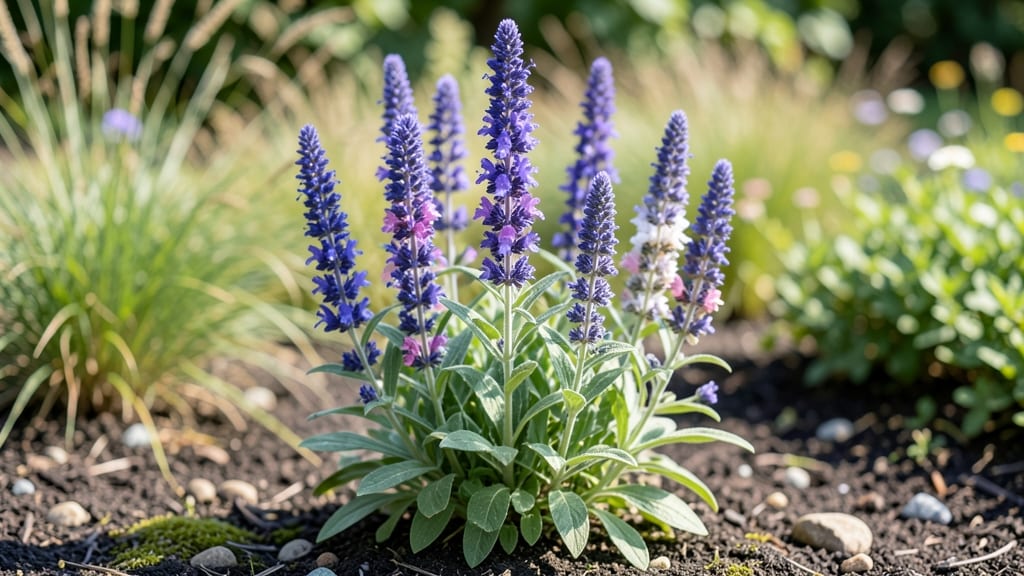
Yes, many Speedwell varieties bloom all summer long, particularly cold-hardy perennials like Veronica longifolia or Veronica spicata, which often recover after frost and continue producing flowers into fall with regular deadheading.
Speedwell's ability to bloom all summer stems from its resilient nature, especially in perennial varieties that store energy in their root systems. 🌿 These plants often go dormant during harsh winters but bounce back stronger in spring, sometimes even reblooming after a light frost.
The key to extending their flowering season lies in consistent care—removing spent blooms (deadheading) encourages new growth and prevents the plant from redirecting energy toward seed production.
For gardeners in cooler climates, choosing the right variety makes all the difference. Veronica longifolia and Veronica spicata are top performers, thriving in zones 3-8 with minimal fuss. They prefer full sun to partial shade and well-draining soil, which helps them withstand temperature fluctuations.
The trade-off? Annual Speedwell varieties might offer more vibrant colors but won't provide that long-lasting summer display.
💡 In This Article
- How Speedwell Perennial Varieties Survive Frost and Reflower
- Best Speedwell Types for Continuous Summer Blooms
How Speedwell perennial varieties survive frost and reflower
Speedwell's ability to rebound after frost comes down to its unique botanical adaptations. Perennial varieties like Veronica longifolia develop woody stems at their base, which act as natural shock absorbers against temperature swings.
These stems store carbohydrates during summer, creating an energy reserve that fuels regrowth when temperatures dip. 🌱 Unlike annuals, which die back completely, perennials have deep root systems that extend 12-18 inches below soil level, accessing moisture and nutrients even in dry conditions.
The real magic happens in the plant's growth cycle. When frost hits, many Speedwell varieties enter a state of partial dormancy rather than full shutdown. This adaptive mechanism allows them to conserve energy while still maintaining some cellular activity in their roots.
What's fascinating is how frost itself can trigger reblooming—cold snaps stimulate hormonal changes that prompt new flower buds to form, especially in species like Veronica officinalis. This is why you often see a second flush of blooms in late summer or early fall after a light freeze.
Light plays a crucial role too. Speedwell plants use a process called photoperiodism to time their growth cycles. In cooler climates, shorter daylight hours signal the plant to prepare for dormancy, but with proper deadheading (removing spent flowers), the plant redirects its energy toward producing more blooms instead of seeds.
This is why regular maintenance can extend the flowering season by 4-6 weeks compared to neglected plants.
Soil conditions also influence frost resilience. Well-draining soil prevents root rot while retaining enough moisture to support the plant's energy reserves. Adding a 2-3 inch layer of mulch in late fall helps insulate the roots, protecting them from extreme cold while allowing them to stay slightly active.
This balance is what lets Speedwell varieties like Veronica spicata continue blooming even when temperatures drop to 20-25°F.
What sets Speedwell apart from other perennials is its ability to compartmentalize damage. Even if the above-ground growth dies back completely, the root system often survives intact. When spring temperatures rise, these roots send out new shoots with remarkable speed—sometimes within 7-10 days—because they've been conserving energy all winter.
This rapid regrowth is why gardeners in zones 3-8 can count on Speedwell to return year after year with minimal effort.
The secret to continuous blooms lies in understanding this cycle. By mimicking nature's signals—like providing consistent moisture and removing spent flowers—you create ideal conditions for Speedwell to keep producing flowers throughout the growing season.
The result? A garden that stays vibrant from early summer well into fall, even after frost. 💫