
Blooming
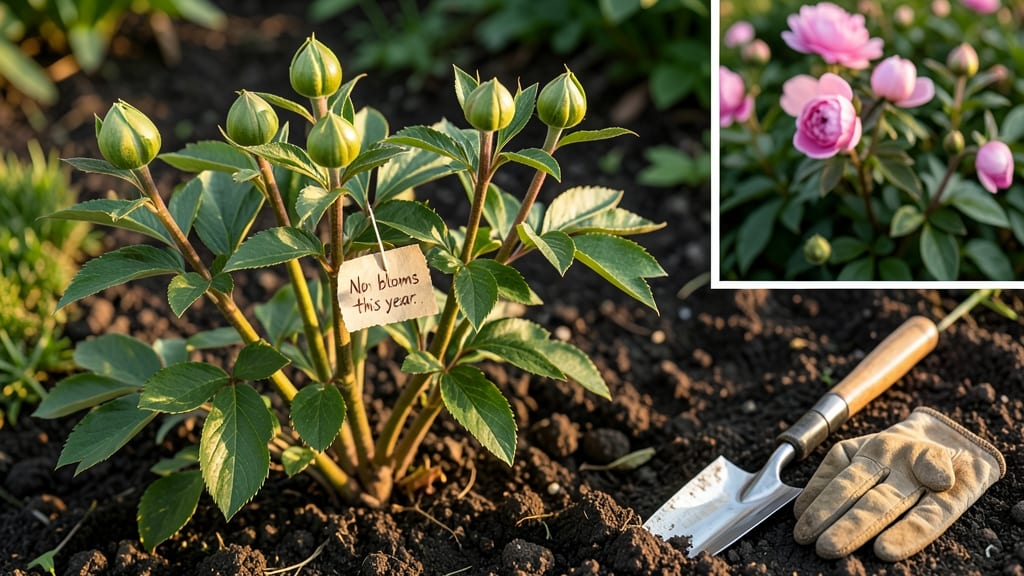
Peonies didn’t bloom this year, and I get it—after years of lush, fragrant blooms, last season’s bare stems felt like a punch to the gardening pride. 🌸 The good news? Most peony blooming failures come down to just a few fixable issues, and next year can absolutely be different.
We’re talking sunlight adjustments, pruning tweaks, and even a soil check that could turn your plants into the showstopper they’re meant to be.
The most common culprits are too much shade, over-fertilizing with nitrogen, or pruning at the wrong time. Young peonies (under 3 years) often skip blooms while they establish roots, but mature plants should reward you with 3-5 foot stems of flowers if given the right care.
Even a single change—like moving to full sun or cutting back on spring fertilizer—can make all the difference by next June.
Here’s the game-changer: spring pruning timing. Most gardeners prune too early, and that’s when peonies rebel. Wait until after the foliage yellows in fall, then trim stems to 2 inches above ground.
This preserves next year’s flower buds, which form on last year’s growth. Combine that with a balanced 10-10-10 fertilizer in early spring, and you’ll see those classic dinner-plate blooms returning stronger than ever.
This works for both herbaceous and tree peonies, whether you’re in Zone 3 or 8. The key is patience—peonies often need 2-3 years of consistent care to bounce back from a bad blooming year. Let’s get your plants back on track for a showstopping next season.
Hidden Reasons Your Peonies Skipped Bloom Time
Peonies are the crown jewels of the garden—lush, fragrant, and utterly reliable (or so we thought). But when those velvety buds refuse to open, it’s often due to sneaky, science-backed factors lurking beneath the surface. Let’s pull back the curtain on the real culprits behind your peonies’ no-show this year.
Peonies love sunlight—but not too much of a good thing. These perennials thrive in full sun (6–8 hours daily), but too little light weakens their energy reserves, delaying (or canceling) blooms. Conversely, scorching afternoon sun in hot climates can stress roots, forcing the plant to prioritize survival over flowers.
The science:
- Peonies store energy in their rhizomes (thick, fleshy roots) during summer to fuel next year’s blooms.
- Low light = less photosynthesis = fewer carbohydrates stored = no energy for buds.
- Excessive heat (especially above 90°F/32°C) can cause bud blast—buds form but then drop off before opening.
Actionable fix:
- Plant peonies in a spot with morning sun + afternoon shade (e.g., dappled light under tall trees).
- In hot zones, use light shade cloth (30–50% coverage) to protect buds in peak summer.
- Mulch heavily (3–4 inches of organic matter) to regulate soil temperature.
Peonies are drought-tolerant once established, but water stress—whether from neglect or overzealous watering—can sabotage blooms. The key is consistent moisture during critical growth phases.
The science:
- Underwatering causes rhizomes to shrink, reducing energy storage.
- Overwatering (especially in winter) can lead to rot or fungal diseases (like botrytis), which weaken the plant.
- Sudden drought in early spring (when buds are forming) triggers bud abortion—the plant “sacrifices” flowers to survive.
Actionable fix:
- Water deeply 1–2 times per week (1–1.5 inches total) during active growth (spring–fall).
- Avoid soggy soil—peonies hate “wet feet.” Ensure well-draining soil (amend with compost or sand if clay-heavy).
- Reduce watering in late summer to harden off rhizomes for winter dormancy.
Peonies are cold-hardy but need proper chilling hours (300–500 hours below 40°F/4°C) to break dormancy and trigger blooming. If winters are too mild or summers too hot, their internal clock gets confused.
The science:
- Insufficient chilling (common in warm-winter climates) prevents floral initiation—the plant never “decides” to bloom.
- Early or late frosts can damage emerging buds.
- Heatwaves in late spring cause buds to open too early, then get fried by sudden cold snaps.
Actionable fix:
- In mild-winter zones, plant intersectional hybrids (hardier varieties like ‘Sarah Bernhardt’).
- Mulch heavily in fall (straw or leaves) to simulate colder conditions.
- Avoid pruning in late summer/fall—this removes protective foliage that insulates buds.
Peonies are low-maintenance, but nutrient extremes can derail blooms. Too little phosphorus? No flowers. Too much nitrogen? Leafy monsters with zero buds.
The science:
- Phosphorus (P) is critical for flower development. A deficiency stunts bud formation.
- Excess nitrogen (N) promotes foliage growth at the expense of blooms (think: lush leaves, zero peonies).
- Potassium (K) and micronutrients (like magnesium) support root health—without them, rhizomes can’t store enough energy.
Actionable fix:
- Test your soil (pH should be 6.0–7.0). Peonies hate acidic or alkaline extremes.
- Fertilize lightly in early spring with a balanced 10-10-10 or low-nitrogen, high-phosphorus formula (e.g., 5-10-10).
- Avoid fresh manure—it burns roots and disrupts nutrient balance. Use composted organic matter instead.
Hidden invaders like peony leaf miners, aphids, or powdery mildew drain the plant’s resources, leaving no energy for blooms. Even root-knot nematodes (microscopic worms) can stunt growth.
The science:
- Leaf miners (larvae of sawflies) create tunnels in leaves, reducing photosynthesis.
- Aphids suck sap, causing stunted growth and deformed buds.
- Fungal diseases (like botrytis) rot buds before they open.
Actionable fix:
- Inspect leaves regularly for white trails (miners) or sticky residue (aphids).
- Spray neem oil (early spring/fall) to deter pests.
- Remove infected foliage and space plants for airflow to prevent mildew.
- Drench soil with beneficial nematodes (if nematodes are suspected).
Peonies are perennials with a lifespan—they often skip blooming every 3–5 years to rejuvenate. Plus, overcrowded rhizomes compete for resources, leading to fewer (or no) flowers.
The science:
- Older rhizomes (5+ years) may stop blooming as they focus on root expansion.
- Too many buds on a single rhizome exhaust the plant, causing buds to abort.
- Crowded roots lead to shallow growth, reducing nutrient uptake.
Actionable fix:
- Divide clumps every 4–5 years in early fall (when foliage yellows).
- Dig up rhizomes, separate sections with 3–4 “eyes” (buds) per piece, and replant.
- Thin out overcrowded beds to give plants 18–24 inches of space.
Pre-emergent herbicides (like those containing triclopyr or glyphosate) can kill peony buds if applied at the wrong time. Even old pesticide residues in soil can disrupt blooming.
The science:
- Systemic herbicides (like Roundup) can linger in soil for years, damaging rhizomes.
- Fungicides with high copper (used for other plants) can build up in soil, harming peonies.
Actionable fix:
- Avoid herbicides near peonies—opt for mulch or vinegar-based weed killers.
- Test soil for contaminants if blooms fail for multiple years.
- Plant peonies in dedicated beds away from treated areas.
Pro Tip: 💡 Keep a garden journal! Track light, water, and temperature trends to spot patterns. If peonies bloom in one spot but not another, compare conditions—you’ll spot the culprit faster.*
Revive your peonies: step-by-step fixes
If your peonies are playing hard to bloom, don’t despair—there’s still time to turn things around for next season! The key is identifying the root cause and taking targeted action. Below, we’ve mapped out practical, science-backed solutions for each common reason your peonies skipped their big debut this year.
Plus, we’ll share prevention tips to ensure a showstopping display in 2025.
Peonies hate competition. If their roots are tangled or buried too deep, they’ll focus on survival instead of blooming.
How to Fix It: ✅ Divide and conquer (best done in early fall or late winter):
- Carefully dig up the plant, shaking off excess soil to expose the roots.
- Look for multiple crowns (the swollen, knobby base where stems emerge). Use a sharp knife to separate them, ensuring each section has at least 3–5 eyes (buds).
- Replant the divisions no deeper than 2 inches below soil level—burying them too deep suffocates them.
- Space new plants 3–4 feet apart for optimal airflow and growth.
✨ Pro Tip: If your peony is mature (5+ years old), dividing it can rejuvenate blooms and prevent future overcrowding.
Peonies need full sun to partial shade—but too much of either can stunt blooms.
How to Fix It: 🌞 For shade-loving varieties:
- Gradually acclimate them to more sunlight by pruning nearby trees or shrubs.
- Aim for at least 6 hours of direct sun (morning sun is gentler than harsh afternoon rays).
🌑 For sun-scorched peonies:
- Provide afternoon shade with a lightweight cloth or lattice screen (especially in hot climates).
- Mulch heavily to keep roots cool (2–3 inches of organic mulch like straw or shredded bark).
💡 Quick Test: If your peony’s leaves are yellowing or crispy, it’s getting too much sun. If they’re leggy and sparse, it needs more light.
Peonies are drought-tolerant but hate soggy roots—both extremes can kill blooms.
How to Fix It: 💦 For underwatered peonies:
- Water deeply 1–2 times per week (1–1.5 inches total) during dry spells.
- Soak the soil until water drains out the bottom—peonies prefer consistent moisture, not puddles.
🌧️ For overwatered peonies:
- Improve drainage by amending clay soil with compost or sand.
- Plant in a slightly raised bed if your yard floods easily.
- Let the top 1–2 inches of soil dry out between waterings.
🔥 Emergency Fix: If roots are rotting (smelly, mushy), trim the affected parts, replant in fresh soil, and hold off on watering for a week.
Powdery mildew, botrytis blight, or root rot can steal nutrients needed for blooms.
How to Fix It: 🧼 Prune aggressively:
- Remove all infected leaves and stems (don’t compost them—bag and toss!).
- Sterilize pruners with rubbing alcohol between cuts.
🌿 Boost airflow & sunlight:
- Thin out nearby plants to reduce humidity around peonies.
- Water at the base (avoid wetting foliage) in the early morning so leaves dry quickly.
💊 Fungal treatments (if severe):
- Spray with neem oil (preventative) or baking soda mix (1 tsp baking soda + 1 quart water + a drop of dish soap).
- For root rot, apply copper fungicide as directed.
✨ Prevention: Plant peonies in well-draining soil and avoid overhead watering.
Peonies need phosphorus and potassium for blooms—but too much nitrogen = more leaves, fewer flowers.
How to Fix It: 🍽️ Fertilizer fix:
- Spring (after blooming): Apply a low-nitrogen, high-phosphorus fertilizer (like 5-10-10).
- Fall (after foliage dies back): Use a balanced fertilizer (10-10-10) or bone meal for phosphorus.
- Avoid high-nitrogen feeds (like lawn fertilizer)—they promote foliage over flowers.
🥔 Natural boosts:
- Compost or well-rotted manure (1–2 inches around the base in spring).
- Epsom salt (1 tbsp per gallon of water) if leaves are yellowing (magnesium deficiency).
📊 Soil test first! If your soil is too acidic (pH <6.5), amend with lime to encourage nutrient uptake.
Deer, rabbits, or peony moth larvae can devour buds before they open.
How to Fix It: 🦌 Deer/rabbit proofing:
- Install chicken wire cages around plants (remove after blooming).
- Sprinkle hot pepper wax or granules around the base (animals hate the smell!).
🐛 Peony moth larvae (sawfly):
- Handpick white, woolly larvae and drop them in soapy water.
- Apply Bt (Bacillus thuringiensis) spray early in the season as a preventative.
🌟 Prevention: Prune spent blooms promptly to deter pests from laying eggs.
Want guaranteed peony perfection in 2025? Follow this simple checklist:
| Season | Task | Why It Matters |
|---|---|---|
| Fall | Cut back foliage after frost | Prevents disease; lets plant rest. |
| Winter | Mulch heavily (4–6 inches) | Protects roots from freeze-thaw cycles. |
| Spring | Fertilize + prune dead stems | Fuels growth; removes hiding spots for pests. |
| Summer | Deadhead spent blooms | Redirects energy to next year’s buds. |
Final Thought: Peonies are hardy once they’re happy—most issues are fixable with a little TLC. Start with one or two fixes this season, and by next spring, you’ll be rewarded with lush, fragrant blooms that steal the show. 🌸✨
Frequently asked questions
Why did my peonies bloom last year but not this year?
Peonies often skip blooming every 3-5 years as part of their natural cycle to rejuvenate. This is especially common with mature plants (5+ years old) or when they're overcrowded. Check if your plants need dividing—this can restore their blooming energy for next season.
Can I still save my peonies if they didn't bloom this year?
Focus on fall care to set up next year's blooms: cut back foliage after frost, mulch heavily (4-6 inches), and test your soil pH (6.0-7.0 is ideal). A light application of 10-10-10 fertilizer in early spring will give them the phosphorus boost they need for blooming.
Is it normal for young peonies (under 3 years) to skip blooming?
Yes! Young peonies prioritize root growth over blooming during their first 2-3 years. Be patient—they'll reward you with spectacular flowers once established. In the meantime, keep them well-watered (1-1.5 inches per week) and in full sun to build strong rhizomes.
Could my peonies be getting too much nitrogen fertilizer?
Definitely possible! Too much nitrogen produces leafy growth at the expense of blooms. Switch to a low-nitrogen, high-phosphorus fertilizer (like 5-10-10) in spring, and avoid lawn fertilizers. Organic options like bone meal work well too.
What should I do if my peony buds formed but then dropped off?
This is often called "bud blast" and usually happens due to temperature stress (sudden heat waves or late frosts) or water stress. For next year, provide afternoon shade in hot climates, mulch heavily to regulate soil temperature, and water consistently (1-2 times per week during dry spells).