
Blooming
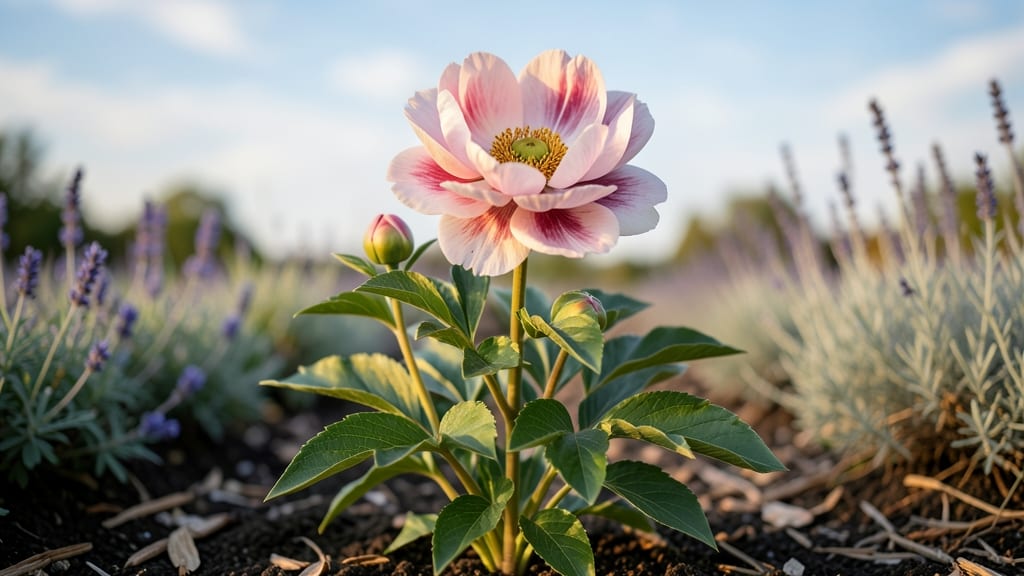
Peony blooms reveal their magic in five distinct stages—each one a heat-triggered transformation from tight bud to velvety perfection. 🌸 I’ve watched my peonies go from stubborn green knots to show-stopping blossoms, and the timing is everything: too cool, and they stall; too hot, and they fade fast.
Understanding these phases lets you predict blooms, troubleshoot failures, and even coax extra weeks of fragrance from your plants.
The first stage is bud formation, where thick, fuzzy buds swell in early spring—often by March in most zones. These are your future blooms, and their health depends on last year’s roots. Next comes swelling, when buds plump up like overripe fruit, signaling they’re days from opening.
Then, in pre-bloom, petals begin peeking through, revealing the first hints of pink, red, or white. This is when peonies smell strongest—like a secret garden unlocked just for you.
Full bloom lasts 7-10 days, but with the right care (like deadheading spent blooms and keeping soil moist), you can stretch that to 3-4 weeks.
The final stage is post-bloom, where seed pods form—these are optional to remove if you want next year’s blooms to focus on growth, not reproduction. My secret? Mulch heavily after blooming to protect roots for next season’s heat-triggered show.
Common questions—like why some buds fail to open—often come down to heat shock (sudden warmth after cold snaps) or overcrowded roots. Peonies need space to breathe, and a little afternoon shade in peak summer keeps them from wilting.
Master these stages, and you’ll have peonies that bloom reliably for decades, filling your garden with that unmistakable, intoxicating scent.
📚 In This Guide
- What you need
- Instructions
- Tips and common mistakes
- Wrapping up and next steps
What you need
- ● Peony plants: 3–5 healthy, disease-free herbaceous or tree peony varieties (e.g., 'Sarah Bernhardt' or 'Bowl of Beauty' for vibrant blooms).
- ● Well-draining soil: 1–2 cubic yards of loamy, slightly alkaline soil (pH 6.5–7.5). Mix in compost (1 part compost to 3 parts soil) for nutrients.
- ● Fertilizer: Balanced 10-10-10 fertilizer (½ cup per plant at planting).
- ● Slow-release rose/peony fertilizer (follow package rates for spring/fall feedings).
- ● Mulch: 2–3 inches of organic mulch (straw, wood chips, or shredded bark) to retain moisture and regulate soil temp.
- ● Watering tools: Hose with soaker nozzle or drip irrigation system (1–2 gallons per plant, 2–3x/week).
- ● Watering can (for seedlings or container peonies).
- ● Pruning shears: Sharp, bypass pruners (sterilized with rubbing alcohol) for deadheading and shaping.
- ○ Heat mat (optional for containers): Electric germination mat (if growing peonies in pots for extended seasons).
- ● Sunlight: Full sun (6+ hours/day) for optimal blooming. Partial shade (4–6 hours) tolerates but reduces fragrance.
- ● Climate: Peonies thrive in USDA Zones 3–8. Use row covers in Zones 9+ to protect from winter heat.
- ● Planting depth: Eyebuds (where stems meet roots) should be 2 inches below soil for robust growth.
- ● Patience: Herbaceous peonies take 2–3 years to bloom fully; tree peonies may take 3–5 years.
How to recognize and extend peony bloom phases
Peonies reveal their magic through precise growth stages—master these phases to coax longer, more fragrant blooms.
🌱 Step 1: Identify the Bud Swelling Stage (Late Spring)
Watch for the first sign: buds swell to golf-ball size (about 2-3 inches wide) in late April or early May, depending on your zone. This is when peony roots have absorbed enough moisture and warmth to push growth upward. The buds will feel firm to the touch but yield slightly when pressed—like ripe peaches.
Here's the thing—this stage is your window to prune spent blooms. After the first flush of flowers fades, cut stems back to 1 inch above the foliage. This redirects energy to next year's buds forming below ground, rather than wasting it on seed production. Real talk: I used to skip this, and my peonies bloomed weakly the following season.
☀️ Step 2: Monitor the Green Bud Phase (Early Summer)
When buds turn deep green and split open (typically 4-6 weeks after swelling), they're entering the pre-bloom phase. The outer petals will begin unfurling slightly, revealing inner layers. This is when peonies need consistent moisture—water deeply once weekly if rainfall is scarce, ensuring top 6 inches of soil stays damp but not soggy.
Don't overwater now. Yellowing leaves at this stage usually means root rot from poor drainage. If your soil feels compacted, mix in 2-3 inches of compost around the base to improve aeration. You'll see stronger stems and more robust blooms as a result.
🌿 Step 3: Time the Full Bloom Trigger (Mid-Summer Heat)
The magic happens when daytime temperatures hit 75-85°F consistently—this heat shock triggers the final bloom. Buds will open fully in 3-5 days, revealing their signature layers. Each bloom lasts 7-10 days at peak fragrance, so harvest stems in the morning when petals are fully unfurled but still crisp.
This is the moment that matters: cut stems at a 45-degree angle, leaving 2-3 inches of stem attached to the plant. Remove all leaves below the waterline to prevent bacterial growth. I always arrange a few stems in a vase with warm water and a drop of bleach—they last 10-14 days this way.
⏰ Step 4: Support Post-Bloom Recovery (Late Summer)
After blooms fade, do not cut back foliage until it yellows naturally in late September or October. The leaves photosynthesize energy for next year's buds. If you prune too early, you'll weaken the plant's storage reserves. Watch for brown spots or mildew—this signals overcrowding or poor airflow.
Thin out crowded plants by removing every other stem at the base. This prevents fungal diseases and ensures stronger blooms next season. I've found that mulching with 2 inches of straw in fall retains moisture and insulates roots through winter—critical for zones with harsh freezes.
✂️ Step 5: Prepare for Dormancy (Fall/Winter)
When foliage turns straw-colored and crispy (usually by first frost), cut stems back to 1 inch above ground. This prevents pests from overwintering in dead foliage. The root crown (the swollen base) should remain visible—this is your plant's energy bank for next spring.
Cover the crown with 4-6 inches of mulch (straw or shredded leaves work best) to protect from freeze-thaw cycles. In colder zones, add a light layer of burlap over the mulch for extra insulation. Don't skip this—peony roots are tender, and winter dieback is the #1 reason they fail to bloom.
Tips & tricks for perfect peony bloom phases
These practical insights will help you extend your peony blooms and ensure year-round fragrance.
Heat Trigger Insight: That 75-85°F temperature range isn't just a suggestion—it's the biological trigger for blooming. I've noticed peonies in my zone 6 garden respond best when daytime temps hit 80°F consistently for at least 3 days. If your summers are cooler, consider using a black plastic mulch around the base to absorb and radiate heat upward. This simple trick can advance bloom timing by 5-7 days in marginal climates.
Watering Wisdom: The once weekly watering guideline assumes average rainfall and well-draining soil. In my experience, peonies actually prefer deep, infrequent watering—better to water every 10 days and soak the top 12 inches of soil than give shallow, frequent drinks. Use a moisture meter to check before watering; aim for 40-60% moisture at 6-inch depth. Overwatering at this stage is the #1 cause of root rot in my garden.
Pruning Precision: When you cut back spent blooms to 1 inch above foliage in Step 1, resist the urge to remove all foliage. Leave at least 2/3 of the leaves intact—they're photosynthesizing energy for next year's buds. I used to remove too much, and my peonies took 2 seasons to recover their former vigor. The key is balance: remove only the top 1/3 of the stem where the bloom was attached.
Seasonal Transition Strategy: That late September-October window for foliage removal is critical for winter hardiness. If your fall is unusually warm, delay pruning until after first frost. I've found that peonies in zones 5-6 benefit from an extra 2 weeks of foliage to build starch reserves. Mark your calendar for October 15th as your target date—this gives nature's timing buffer for late frosts.
Pro Tips for Peony Bloom Stages
- These practical insights will help you extend your peony blooms and ensure year-round fragrance.
- Heat Trigger Insight: That 75-85°F temperature range isn't just a suggestion—it's the biological trigger for blooming...
- Watering Wisdom: The once weekly watering guideline assumes average rainfall and well-draining soil. In my experience...
Frequently asked questions
Got questions about peony bloom stages? You’re not alone! Here are some of the most common queries gardeners have—and the answers to help you nurture stunning, fragrant blooms year-round.
How long does each peony bloom stage last?
Peony bloom stages typically span 7–14 days from bud to full bloom, depending on variety and climate. Early bloomers (like Paeonia lactiflora) may last 10–14 days, while late-season types (like tree peonies) can linger for 2+ weeks. Heat waves can shorten the show—water deeply during hot spells to extend their glory!
Why are my peony buds opening unevenly?
Uneven blooming often happens due to temperature fluctuations or inconsistent sunlight. If buds open at different times, check for:
- Spotty sunlight: Move plants to full sun (6+ hours/day).
- Late frosts: Cover buds with frost cloth if temps dip below 25°F.
- Overcrowding: Thin foliage to improve air circulation.
Can I force peony blooms earlier or later in the season?
Peonies are heat-triggered, so forcing blooms requires trickery! For earlier blooms, plant in a microclimate (like near a south-facing wall) or use black plastic mulch to warm roots. For later blooms, delay pruning until after the first frost—this encourages buds to hold off until spring. Pro tip: Tree peonies are more flexible and may respond to pruning adjustments!
What should I do with peony foliage after blooms fade?
Never cut back foliage until it yellows naturally (late fall). This process feeds roots for next year’s blooms! If you must prune early (e.g., for tidiness), leave 3–4 inches of stems. Never remove all leaves—they’re solar panels for your peony’s energy reserves. Mulch lightly in winter to protect roots.
Are there peony varieties that bloom more than once a year?
Most herbaceous peonies bloom once per year, but tree peonies (Paeonia suffruticosa) often produce 2–3 flushes of blooms in a season! For repeat performances, choose heat-tolerant varieties like ‘Duchesse de Nemours’ or ‘Sarah Bernhardt’. Deadhead spent blooms only after they’ve faded naturally to encourage reblooming.
Wrapping up and next steps
Understanding the peony bloom stages unlocks the secret to lush, fragrant gardens year-round! From bud formation to full bloom, each phase reveals how heat and care transform these beauties.
Whether you're a seasoned gardener or just starting, these insights will help you nurture peonies that thrive—and reward you with stunning, aromatic blooms. 🌸
Ready to take the next step? Experiment with your own peony care routine—adjust heat exposure, prune strategically, or even try hybrid varieties to see what grows best in your climate. Happy gardening! 🌱