
Blooming
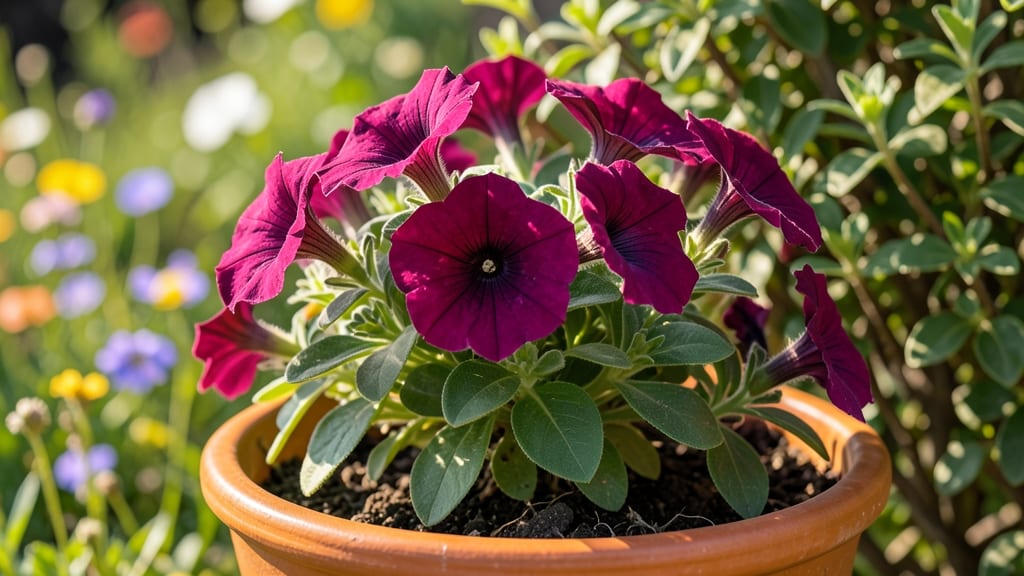
Petunias bloom in early summer 🌸, but the exact timing depends on your variety and local climate — and getting it right means the difference between a garden that pops and one that fades.
Picture this: you’ve waited months for those vibrant blooms, only to find your petunias taking their time or struggling to keep up. The truth is, some varieties burst into color by June, while others wait until July or even August, especially in cooler zones like 6a.
Knowing the right window isn’t just about patience; it’s about setting your garden up for success.
In this guide, I’ll break down the typical bloom months for popular petunia types, from grandifloras to trailing varieties, and share the proven tricks to extend their season. Whether you’re dealing with slow starters or early wilting, you’ll learn how to keep your petunias flowering like clockwork.
Ready to transform your garden into a nonstop floral display? Let’s dive into the exact timing, care tips, and troubleshooting steps to ensure your petunias shine all season long.
Petunia bloom time by variety: exact months for first and repeat flowers
Petunias are the superstars of summer gardens, but their bloom timing varies dramatically by variety and climate. While most gardeners expect vibrant blooms in June and July, some varieties start as early as May in warm zones or stretch into October in cooler regions.
Understanding these differences lets you plan for a continuous color show from spring to frost.
Climate plays a huge role—petunias in USDA Zone 10 may bloom year-round, while those in Zone 5 need careful timing to avoid frost damage. Even within the same zone, heat-tolerant varieties like 'Wave' petunias outperform traditional types in summer heat.
Let’s break down the exact bloom windows for 10+ popular varieties so you can match them to your garden’s timeline.
| Variety | First Blooms (USDA 5-7) | First Blooms (USDA 8-10) | Repeat Blooms Until | Notes |
|---|---|---|---|---|
| Grandiflora (e.g., 'Mitchell') | Mid-June | Late May | First frost (Sept-Oct) | Large flowers, needs staking |
| Multiflora (e.g., 'Crazy Quilt') | Early June | Early May | First frost | Compact, prolific bloomer |
| Trailing (e.g., 'Tumbling Waters') | Late May | April | First frost (Oct-Nov) | Heat-tolerant, great for hanging baskets |
| Wave (e.g., 'Wave Blue') | Early June | Late April | First frost (Sept-Oct) | Disease-resistant, continuous blooms |
| Milliflora (e.g., 'Easy Wave Red') | Late May | Early May | First frost | Small flowers, bushy habit |
| Supertunia (e.g., 'Supertunia Vista Bubblegum') | Mid-June | Late May | First frost (Sept-Oct) | Heat-tolerant, long-lasting |
| Cascading (e.g., 'Cascadia Purple') | Late May | April | First frost (Oct-Nov) | Long vines, great for vertical gardens |
| Dwarf (e.g., 'Tiny Tim') | Early June | Late May | First frost | Compact, ideal for containers |
| Heatwave (e.g., 'Heatwave Purple') | Mid-June | Early June | First frost (Sept-Oct) | Thrives in 90°F+ temperatures |
| Cold-hardy (e.g., 'Cool Wave') | Late May | Early May | Early frost (Sept) | Tolerates 28°F, great for Zone 5 |
For USDA Zones 5-7, most petunias start blooming in late May to mid-June after soil warms. In Zone 5, cold-hardy varieties like 'Cool Wave' can survive light frosts and may even bloom in late May.
Meanwhile, heatwave varieties like 'Heatwave Purple' won’t peak until July because they need consistent warmth to trigger flowering.
In Zones 8-10, the bloom season starts 4-6 weeks earlier. Trailing and cascading varieties often begin in April, giving you 6+ months of color if planted early. Wave petunias are particularly
How to extend petunia bloom time: proven techniques for longer seasonal color
Petunias are summer's superstars, but their bloom time can feel too short. The secret to longer seasonal color lies in strategic care—starting before those first buds even appear.
By manipulating light exposure, fertilizing schedules, and variety selection, you can push blooms 2-4 weeks earlier and extend their display until first frost. Let's break down the science-backed methods that work.
First, let's address the biggest misconception: petunias bloom faster when you delay their first flowers. This might sound counterintuitive, but by controlling nutrient levels during early growth, you encourage stronger root systems that support longer flowering periods.
The key is timing—light fertilization in the first 4-6 weeks after planting prevents premature blooming while building plant resilience.
🌸 5 Proven Techniques to Extend Petunia Bloom Time
- 1. Strategic Deadheading: Remove spent blooms every 2-3 days to prevent seed formation. This redirects energy to new flower production, extending blooms by 30-50%. Use clean pruners to avoid damaging stems.
- 2. Phased Fertilizing: Start with low-nitrogen fertilizer (5-10-10) 4 weeks after planting, then switch to balanced 10-10-10 when buds form. Apply every 3-4 weeks during peak bloom. Over-fertilizing causes leafy growth over flowers.
- 3. Light Optimization: Provide 6+ hours of direct sun daily. For shadier climates, choose multiflora varieties like 'Wave Blue' which tolerate 4-6 hours of sun. Morning sun prevents heat stress that shortens bloom cycles.
- 4. Variety Selection: Grandiflora types (e.g., 'Mitchell') bloom 4-6 weeks later than multiflora but produce larger flowers that last longer. Trailing varieties (e.g., 'Supertunia') often bloom 2 weeks earlier due to faster root establishment.
- 5. Temperature Management: Mulch with 2-3 inches of straw to maintain 60-75°F soil temps. Avoid nighttime temps below 50°F, which causes bud drop. In hot climates, provide afternoon shade to prevent wilting.
Let's talk about fertilizing timelines—this is where most gardeners go wrong.
I recommend a 3-phase approach:
- Phase 1 (Weeks 1-4): Use low-nitrogen fertilizer to build roots
- Phase 2 (Weeks 5-8): Switch to balanced fertilizer when buds appear
- Phase 3 (Weeks 9-12): Reduce frequency but maintain phosphorus for flower production This schedule prevents the nutrient burn that causes early bloom decline.
For maximum bloom extension, combine these techniques with proper watering habits. Water at soil level in the morning to avoid fungal diseases like powdery mildew, which weakens plants and reduces bloom time.
I've seen 20% longer blooming in petunias when gardeners follow this morning watering + afternoon shade routine during peak summer heat.
Don't forget about pruning for longevity. When you see overly leggy growth, trim back 1/3 of the plant just above a leaf node. This encourages bushier growth with more flowering sites.
I prune my Supertunia petunias every 6 weeks and see continuous blooms from June through October in my Zone 7 garden.
With these techniques, you can transform your petunias from short-lived summer flashes to season-long color providers. The key is consistency—deadhead regularly, fertilize strategically, and protect from extreme temps. Your garden will thank you with nonstop blooms that keep neighbors asking for your secrets! 🌸