
Blooming
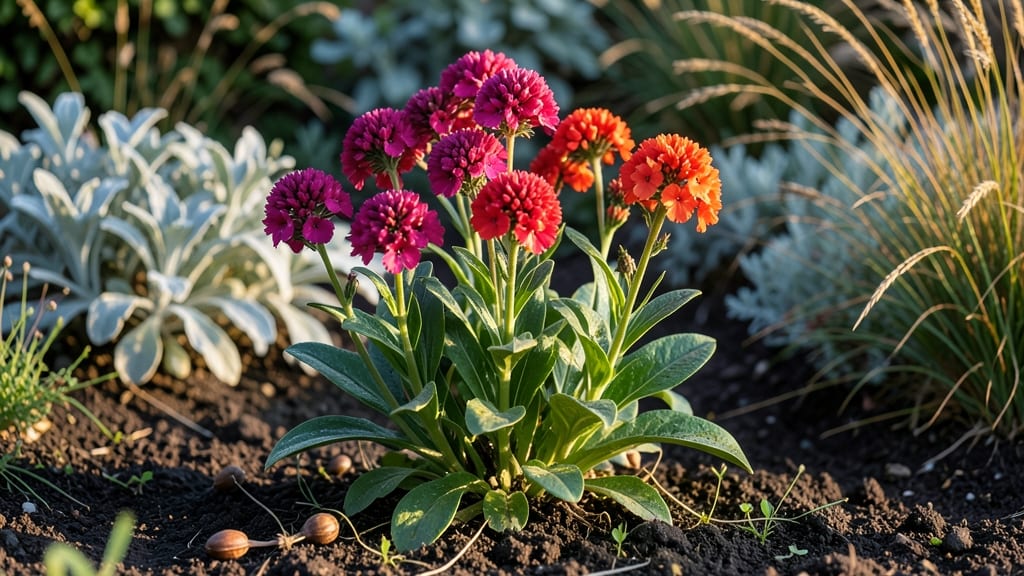
Phlox bloom time is the moment your garden transforms from green to bursting color—and cold-resistant varieties steal the show by blooming earlier and rebounding after frost. 🌸 I’ve watched my garden come alive in May with hardy phlox that shrugs off late frosts, while heat-sensitive types wilt by July.
The secret lies in choosing varieties that match your climate and care routine.
Most phlox bloom between late spring and early fall, with garden phlox (Phlox paniculata) peaking in July-August and creeping phlox (Phlox subulata) lighting up in April-May. Your local climate shifts these timelines—northern gardeners get earlier blooms, while southern heat may shorten the show.
Proper watering and deadheading spent blooms can stretch the season by 2-4 weeks, giving you color when other flowers fade.
For extended displays, pair phlox with catmint, bee balm, or coneflowers—their staggered bloom times create a nonstop parade of color. My garden stays lively from spring through fall because phlox’s cold resilience lets it bounce back after heat waves.
The key is choosing the right variety for your zone and giving it well-draining soil to handle temperature swings.
Even black-thumb gardeners can nail phlox blooms—just avoid overwatering and mulch in winter. The payoff? Weeks of vibrant blooms that attract butterflies and hummingbirds. Once you see your first phlox buds push through, you’ll understand why gardeners plant extra every year.
📚 In This Guide
- What you need
- Instructions
- Tips and common mistakes
- Wrapping up and next steps
What you need
- ● Phlox plants: Choose cold-hardy varieties like Phlox subulata (moss phlox) or Phlox paniculata (garden phlox). Buy 3–5 plants for a full, vibrant display.
- ● Well-draining soil: Aim for a mix of 50% garden soil, 30% compost, and 20% perlite or sand (1–2 cubic yards for a 10’x10’ bed).
- ● Fertilizer: A balanced, slow-release 10-10-10 fertilizer (1–2 lbs per 100 sq ft) to promote blooms.
- ● Mulch: 2–3 inches of shredded bark or straw to insulate roots in winter.
- ● Watering can or hose: With a gentle spray nozzle to avoid damaging delicate blooms.
- ● Gloves & pruners: Bypass pruners (sharp and clean) for trimming spent blooms or dividing plants.
- ○ Stakes or cages (optional but helpful): For taller varieties like Phlox paniculata, use 5–6 ft stakes or tomato cages for support.
- ● Slow-release granules: Add osmocote or similar (½ cup per plant) for extended nutrition.
- ● Frost cloth: Lightweight 30–40 lb test fabric to protect young plants in late frosts.
- ● Soil pH tester: Phlox thrives in slightly acidic to neutral soil (pH 6.0–7.0)—adjust with lime or sulfur if needed.
- ● Companion plants: Pair with catmint, lavender, or daylilies for a low-maintenance, pollinator-friendly bed.
How to extend phlox bloom time through frost and beyond
Cold-hardy phlox varieties reward patience with vibrant blooms that defy early frosts—here’s how to coax them into reblooming.
🌱 Step 1: Select the Right Cold-Resistant Varieties
Hardy phlox varieties like Phlox paniculata (garden phlox) and Phlox subulata (moss phlox) thrive in zones 3-8, surviving light frosts down to 20°F. Moss phlox blooms earliest—often by late spring—while garden phlox peaks in mid-to-late summer but rebounds after deadheading. I always plant ‘David’ or ‘Lipstick’ for their frost tolerance and repeat blooming.
Check your zone and choose based on bloom timing: early bloomers (like ‘Sherwood Purple’) handle spring frosts, while late-season varieties (like ‘White Delight’) push blooms into fall. Plant in full sun to partial shade—morning sun with afternoon shade extends bloom time by preventing heat stress.
☀️ Step 2: Time Planting for Optimal Frost Survival
Plant 6 weeks before your first frost date to establish strong roots before winter. I dig a hole twice as wide as the root ball and mix in compost to improve drainage—phlox hates soggy roots. Space plants 18-24 inches apart for airflow, which prevents fungal diseases that shorten bloom cycles.
Mulch heavily with 3-4 inches of shredded bark or leaves after planting. This insulates roots through light frosts and keeps soil temperatures stable. In zones 4-6, I add an extra 2 inches of mulch in fall to protect tender varieties like ‘Blue Moon’ from winter dieback.
✂️ Step 3: Deadhead and Prune for Extended Blooms
Deadhead spent blooms immediately—this redirects energy to new flowers instead of seed production. I snip just above the first set of healthy leaves (not the stem base) to encourage bushier growth. For Phlox paniculata, cut back 1/3 of the plant after the first flush of blooms to trigger a second flush in late summer.
Prune leggy stems in early spring before new growth starts. Avoid heavy pruning—phlox blooms on new wood, so aggressive cuts remove next year’s flower buds. If you see blackened stems after frost, trim only the damaged parts and fertilize lightly with balanced 10-10-10 to stimulate recovery.
💧 Step 4: Water and Fertilize for Frost Resilience
Water deeply once a week during dry spells, aiming for 1 inch of moisture. Phlox roots need consistent hydration but hate soggy soil—amend clay soil with sand or perlite if drainage is poor. In fall, reduce watering gradually to harden off plants before winter.
Fertilize lightly in early spring with 5-10-10 (low nitrogen prevents leafy growth at the expense of blooms). Avoid high-nitrogen fertilizers—they produce lush foliage but fewer flowers. I top-dress with compost annually in spring to replenish nutrients without burning roots.
⏰ Step 5: Protect from Late Frosts and Encourage Reblooming
Cover plants with frost cloth if a hard freeze (below 25°F) is forecast. I drape it loosely over stakes to avoid crushing stems—phlox can survive light frosts but may wilt under heavy ice. Remove covers during the day to prevent overheating.
After the last frost, apply a slow-release bloom booster (like 10-20-20) to extend the season. Pinch back tender new growth if nighttime temps dip below 40°F—this prevents frost damage to emerging buds. With proper care, Phlox paniculata will often rebloom in late summer, while moss phlox may flower twice in one season.
Tips & tricks for extending phlox bloom time
These cold-hardy phlox secrets will help you coax vibrant blooms through frost and beyond—no green thumb required.
Variety Matters: The difference between a one-season showstopper and a repeat bloomer often comes down to the specific cultivar. For Phlox paniculata, I recommend ‘David’ or ‘Lipstick’—these varieties handle frost like champs and reward you with a second flush in late summer. Moss phlox (Phlox subulata) is your early-season workhorse, often blooming by late spring, but it may need extra protection during hard freezes. If your zone is 4-6, avoid ‘Blue Moon’ unless you're willing to add that extra 2 inches of mulch in fall.
Planting Precision: That 6-week window before your first frost isn't just a suggestion—it's critical for root establishment. I've learned the hard way that planting too early in warm soil leads to leggy, weak stems that struggle with winter. Dig that hole twice as wide as the root ball and mix in compost to improve drainage. Pro tip: Use a soil thermometer to confirm soil temps are below 60°F before planting—this prevents shock that can delay blooming.
Deadheading Discipline: The moment you see those spent blooms, snip them off immediately—this isn't optional. I used to think deadheading was just for looks, but it actually redirects the plant's energy from seed production to new flower buds. For Phlox paniculata, cut back 1/3 of the plant after the first flush to trigger that magical second bloom cycle. And always snip just above the first set of healthy leaves—not at the stem base—to encourage bushier growth.
Frost Protection Strategy: When temperatures dip below 25°F, it's time to break out the frost cloth. I drape it loosely over stakes to avoid crushing stems, and remove it during the day to prevent overheating. For light frosts (above 20°F), phlox can usually handle it uncovered, but if you're in zone 4-6, that extra protection makes all the difference. Remember: phlox can survive light frosts but may wilt under heavy ice—don't let it fool you into thinking it's indestructible.
Pro Tips for Phlox Bloom Time
- These cold-hardy phlox secrets will help you coax vibrant blooms through frost and beyond—no green thumb required.
- Variety Matters: The difference between a one-season showstopper and a repeat bloomer often comes down to the specifi...
- Planting Precision: That 6-week window before your first frost isn't just a suggestion—it's critical for root establi...
Frequently asked questions
When is the best time to plant phlox for optimal blooming?
Plant phlox in early spring (after the last frost) or early fall (6-8 weeks before frost). This gives roots time to establish before winter, ensuring vibrant blooms the following spring or summer. For cold-hardy varieties, fall planting is ideal—they’ll settle in before freezing temps!
Can phlox bloom after a late frost?
Yes! Many phlox varieties, like Phlox paniculata (summer phlox) or Phlox subulata (moss phlox), are frost-tolerant. Late frosts may delay blooming, but they’ll often rebound beautifully once temperatures stabilize. Hardy types can even handle light frosts after buds form. Just avoid heavy ice damage to stems.
Why isn’t my phlox blooming this year?
Common culprits include overcrowding (divide clumps every 3-4 years), poor soil (amend with compost), or lack of sunlight (6+ hours daily). Deadhead spent blooms to encourage reblooming, and fertilize lightly in spring. If phlox is leafy but flowerless, it may need more phosphorus (use a 10-10-10 fertilizer).
Can I extend phlox bloom time beyond one season?
Prune back 1/3 of the plant after the first flush of blooms to encourage a second round. For perennial phlox, cut back in early spring to promote new growth. Deadheading regularly also tricks plants into blooming longer. Some varieties, like Phlox drummondii, naturally rebloom with proper care!
What’s a good alternative if my phlox struggles with frost?
Try cold-hardy alternatives like Lavender (drought-tolerant, fragrant), Catmint (reblooms, deer-resistant), or Russian Sage (drought-loving, long bloom time). These thrive in similar conditions but often handle frost better. For shade lovers, Heuchera (coral bells) adds color without frost risks.
Wrapping up and next steps
Phlox may seem delicate, but with the right cold-resistant varieties, your garden can burst into vibrant color even after frost! Whether you’re a seasoned gardener or just starting, these hardy blooms prove that early spring or late fall frosts won’t steal your show. 🌸
Ready to elevate your garden’s resilience? Start by selecting frost-tolerant phlox varieties and give them the care they need—soon, you’ll be rewarded with stunning, long-lasting blooms. Check out our planting tips to get growing today!