
Blooming
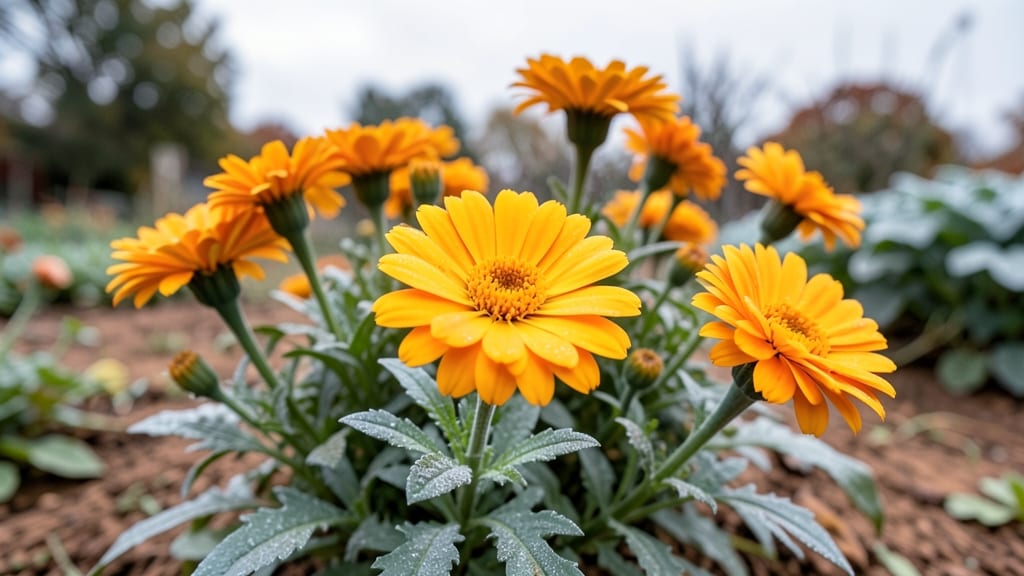
November gardens don’t have to fade into brown—these 10 cold-hardy plants defy the chill with vibrant blooms, fragrance, and winter resilience. Perfect for extending your season and attracting late-season pollinators, these late-bloomers thrive when others retreat.
Chrysanthemum 'Dendranthema' Varieties
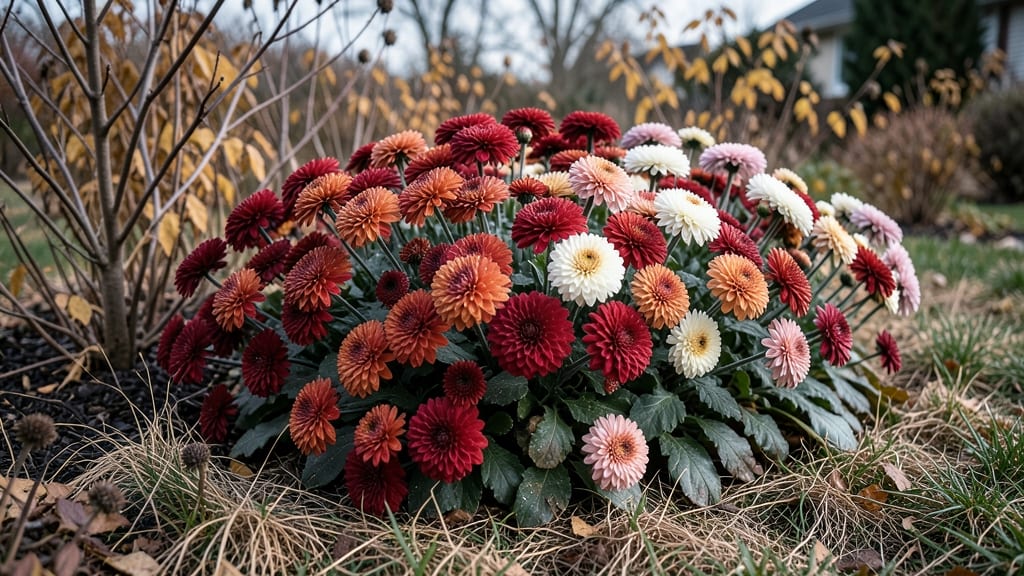
When your garden seems to fade with autumn’s chill, chrysanthemums ('Dendranthema') burst into color—defying frost with blooms in 20+ hues, from fiery reds to soft whites. These hardy perennials thrive in temperatures down to 20°F, making them your November workhorses.
Plant them in full sun to partial shade for continuous blooms from September through November. Their deer-resistant foliage keeps critters away, while their sturdy stems make them perfect for cut flower arrangements. Deadhead spent blooms to encourage more flowers, and mulch around the base to protect roots during late-season frosts.
Whether you’re a cut-flower grower or a border-loving gardener, chrysanthemums deliver effortless color when other plants retreat. 🌻
Hellebore 'Winter Rose' Perennials
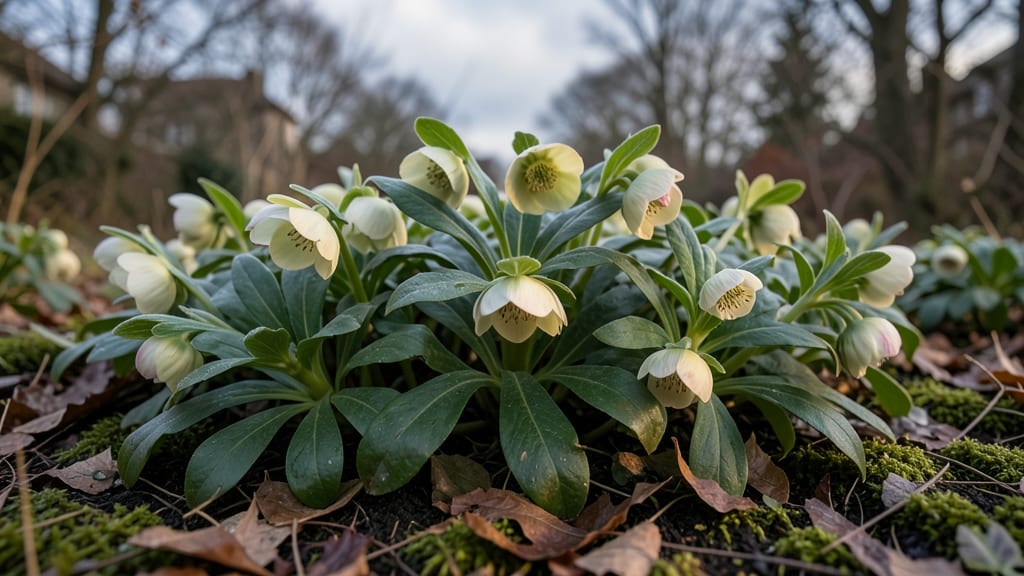
When your garden feels like it’s taking a winter nap, hellebore 'Winter Rose' perennials step in to keep the show going. These understated beauties offer evergreen foliage and delicate, nodding blooms that appear in late fall and defy winter’s chill, making them the unsung heroes of shady woodland gardens.
Thriving in partial to full shade, hellebores are low-maintenance workhorses that tolerate moist, well-draining soil and even light frost. Their late-season blooms—ranging from white and pink to deep purple—provide early nectar for bees and a touch of elegance to dark corners of the garden. Plant them in clusters for a natural, woodland feel or use them as understory plants for shrubs and trees.
Perfect for gardeners who love year-round interest without the fuss, hellebores reward patience with their long-lived nature and minimal care requirements. Ideal for beginners or those with shady spots that other plants avoid. 💚
Pansy 'Cool Wave' Series
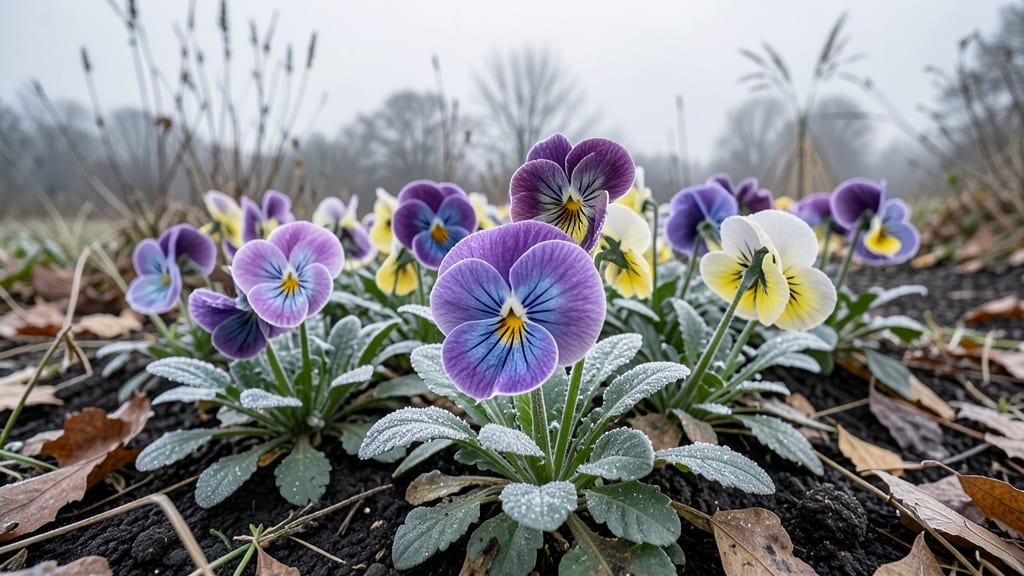
When you think of November gardens, pansies might not be the first plant that comes to mind—but the Cool Wave Series proves they’re the unsung heroes of late-season color. These cold-hardy annuals thrive in temperatures below 30°F, making them perfect for extending your garden’s season well into winter.
With bold, edible petals in shades of purple, yellow, and white, they’re not just pretty—they’re practical too. Plant them in containers for patios or along borders to attract pollinators like bees and butterflies, even when other flowers have faded. Just ensure they get full sun to partial shade and well-draining soil to keep them blooming.
Urban gardeners and small-space enthusiasts will love how easy they are to grow—just water when the top inch of soil dries out. Plus, their cheerful faces brighten up chilly days, making them a must-have for any late-season garden. 🌷
Camellia Japonica Winter Blooms
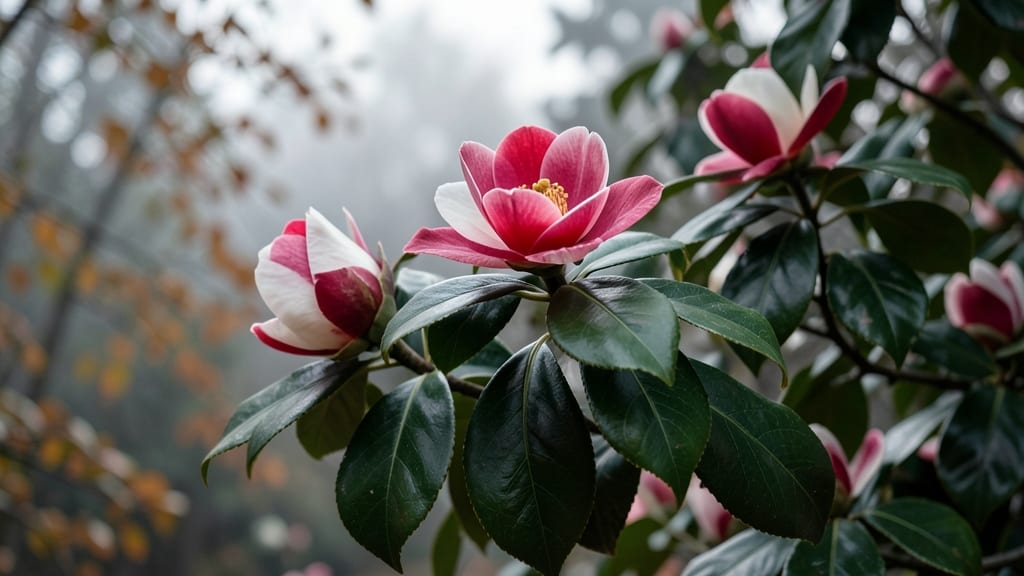
When your garden feels like it’s taking a winter nap, Camellia Japonica steps in as the elegant star of late fall. This evergreen shrub delivers waxy, velvety blooms in deep pinks, whites, or reds—often right through November—while its glossy leaves add year-round structure.
Thriving in USDA zones 7-10, it prefers morning sun and afternoon shade, making it perfect for southern gardens or sheltered spots like patios or against south-facing walls. Prune lightly after blooming to maintain shape, and feed with acidic fertilizer in spring for vibrant flowers. Varieties like 'Nuccio's Gem' or 'Desire' offer double blooms for extra drama.
Ideal for gardeners who want low-maintenance winter color, camellias also make stunning container specimens or focal points in landscaped beds. Their fragrance and long-lasting blooms turn November into a showstopper. ✨
Sedum 'Autumn Joy' Succulents
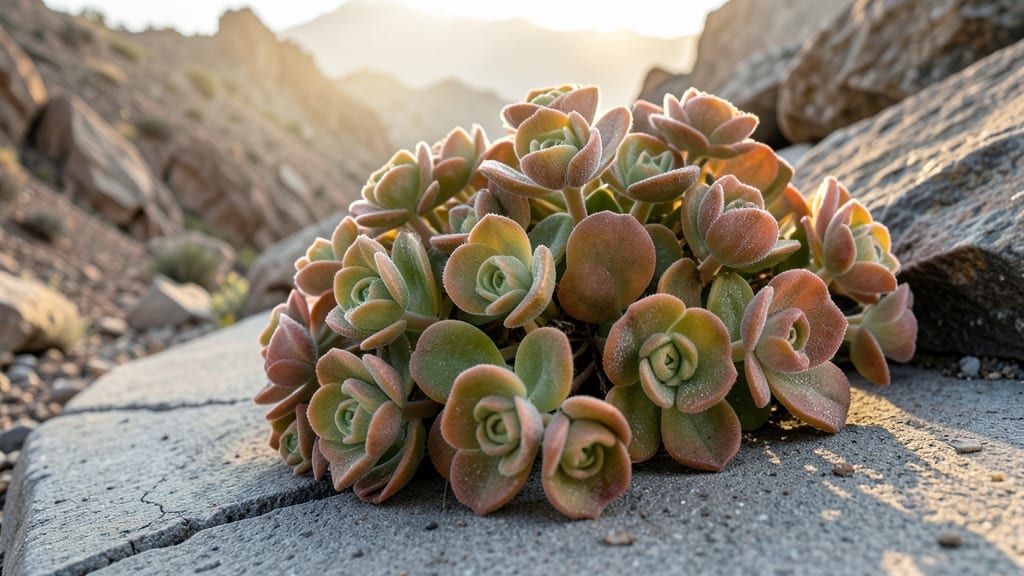
If you're craving a low-maintenance plant that still delivers stunning fall color, Sedum 'Autumn Joy' is your solution. This drought-resistant succulent thrives in poor soil and hot, dry conditions, making it ideal for rock gardens, slopes, or even between sidewalk cracks.
Starting with green buds in late summer, its pinkish-red blooms mature into deep burgundy clusters that last well into November. Unlike many fall plants, it requires no deadheading—simply cut back foliage in early spring. Plant it in full sun for the best color intensity, and watch it spread into a lush, pollinator-friendly ground cover.
Perfect for beginners or busy gardeners, 'Autumn Joy' brings effortless beauty to even the driest spots. 🌻
Dahlia 'Café au Lait' Varieties
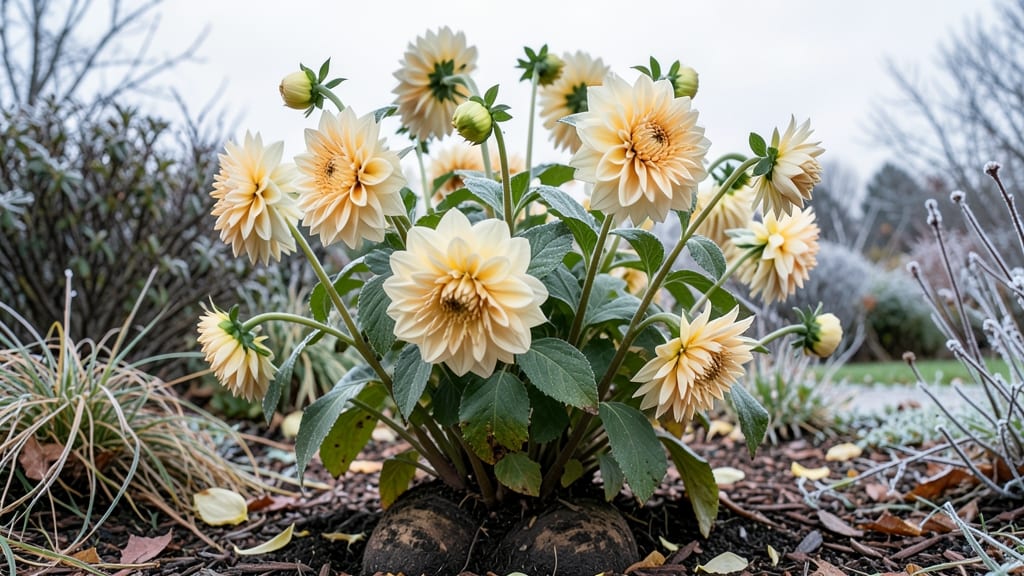
When your garden feels like it’s winding down, dahlia 'Café au Lait' varieties step in with their velvety, creamy blooms that refuse to surrender to early frost. These late-season stars thrive in cooler temperatures, making them perfect for extending your cutting garden well into November.
Plant them in full sun for the best blooms, and don’t worry if a light frost brushes by—they’ll bounce back with their frost tolerance. Their tall stems (up to 4 feet) add drama to fall arrangements, while their buttery-yellow centers create stunning contrast. Deadhead spent blooms to encourage more flowers until the first hard freeze.
Cutting garden enthusiasts and floral arrangers will love how these dahlias hold up in vases for days. Their late-season beauty makes them a must-have for anyone wanting to keep their garden vibrant well past Halloween. 💚
Cyclamen 'Hederifolium' Wild Type
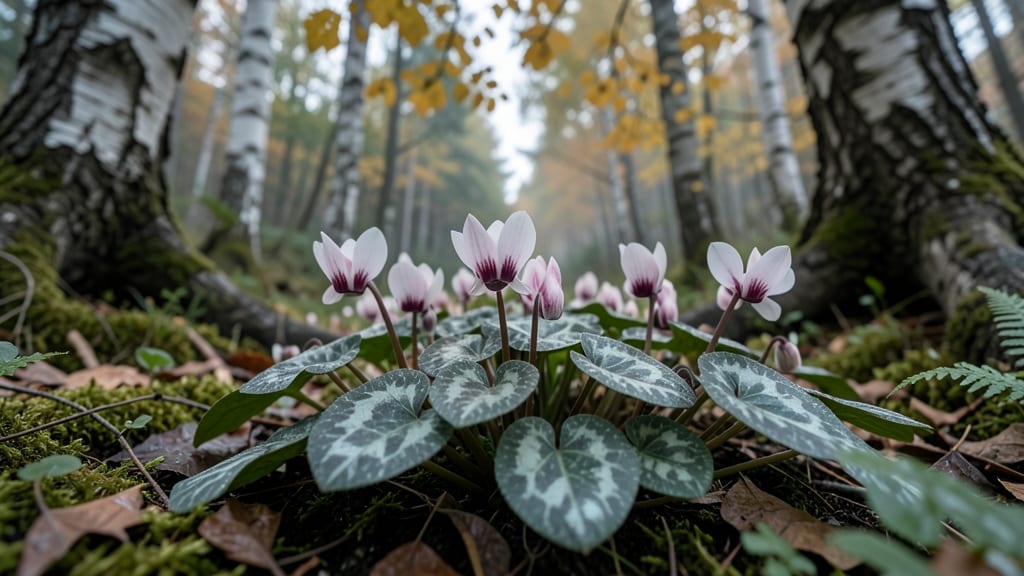
Bring a touch of woodland magic to your garden with Cyclamen 'Hederifolium', a native beauty that blooms when most gardens fade. This hardy perennial thrives in partial shade and moist soil, making it perfect for understory plantings or shaded borders where few other plants dare to bloom.
The silver-marked, heart-shaped leaves create stunning contrast with its delicate pink flowers that appear in late fall, often lasting through winter. Unlike its greenhouse cousin, this wild type tolerates cooler temperatures and prefers well-draining but consistently moist conditions—ideal for woodland gardens or as underplanting for shrubs. Its low-maintenance nature makes it a favorite among gardeners seeking effortless seasonal color.
Perfect for woodland gardeners or those with shaded spots that need year-round interest, this cyclamen adds a whimsical touch while requiring minimal care. 🌷
Aster 'October Skies' Perennials
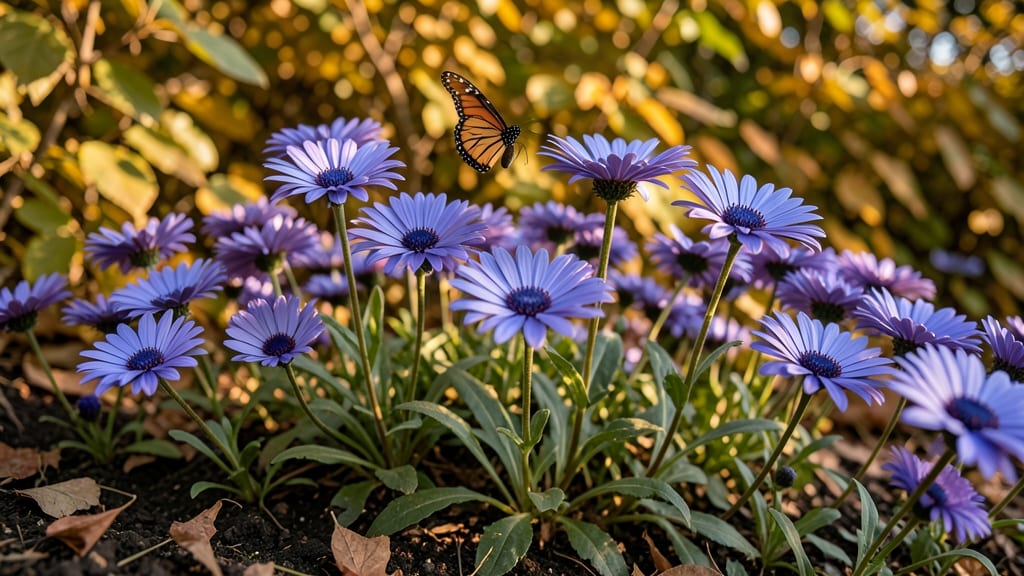
When monarch butterflies begin their southward migration, Aster 'October Skies' perennials will still be blooming—offering late-season nectar to weary travelers. These daisy-like flowers feature deep blues and purples that stand out against autumn foliage, creating a stunning contrast.
Thriving in full sun to partial shade, this variety handles light frosts and continues flowering until hard frost, making it ideal for pollinator gardens. Deadhead spent blooms to encourage more flowers, and provide well-draining soil for best results. Each plant grows 2-3 feet tall, perfect for borders or wildflower meadows.
This hardy perennial is especially valuable for gardeners in USDA zones 3-8 who want to extend their blooming season while supporting monarchs. The long-lasting flowers also make excellent cut arrangements for indoor enjoyment. 🌻
Witch Hazel 'Hamamelis' Shrubs
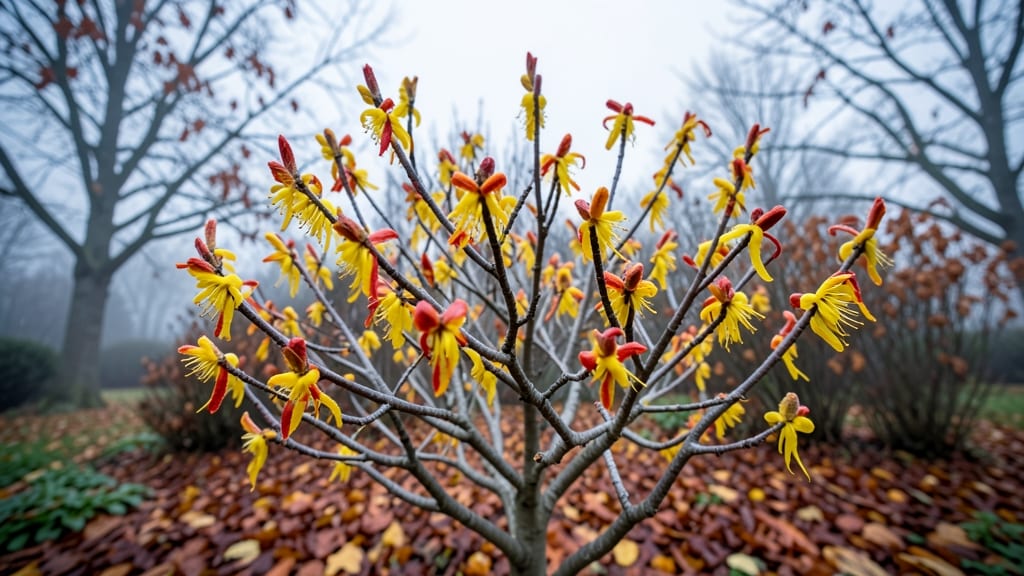
When your garden feels like it’s taking a winter snooze, witch hazel ('Hamamelis') shrubs wake up the scene with their unexpected late-season drama. These deciduous shrubs defy convention by blooming in November—often right through winter—with bright yellow or fiery red ribbons of flowers that appear on bare branches, creating a magical contrast against snow or bare stems.
Thriving in USDA zones 4-8, witch hazel prefers partial shade to full sun and tolerates a range of soil types, though it prefers well-draining, slightly acidic soil. Plant them in clusters for a dramatic winter focal point, or use them as understory shrubs under taller trees. Their fragrant blooms attract late-season pollinators, and their unique exfoliating bark adds year-round texture. Prune lightly after flowering to maintain shape.
Perfect for gardeners who want winter interest without the fuss, witch hazel brings color and fragrance when most gardens have gone quiet. Urban gardeners with small spaces can grow them in large containers, while woodland gardeners will love their natural, understated elegance. 🌟
Calendula 'Pot Marigold' Annuals

When you want to add both beauty and function to your late-season garden, calendula 'Pot Marigold' delivers with a double punch. These cheerful annuals produce golden or orange edible blooms that thrive in cool weather, making them perfect for extending your garden's season well into November.
Beyond their stunning appearance, calendula flowers are natural pest repellents, deterring aphids, whiteflies, and even rabbits while attracting pollinators. Their petals are edible—add them to salads, teas, or infuse them in oils for culinary or medicinal uses. Plant them in full sun to partial shade and well-draining soil for continuous blooms until the first hard frost.
Herb gardeners and container enthusiasts will love how calendula grows well in pots, making it ideal for patios or small spaces. Plus, their self-seeding nature means you'll get free plants next year! 🌻