
Blooming
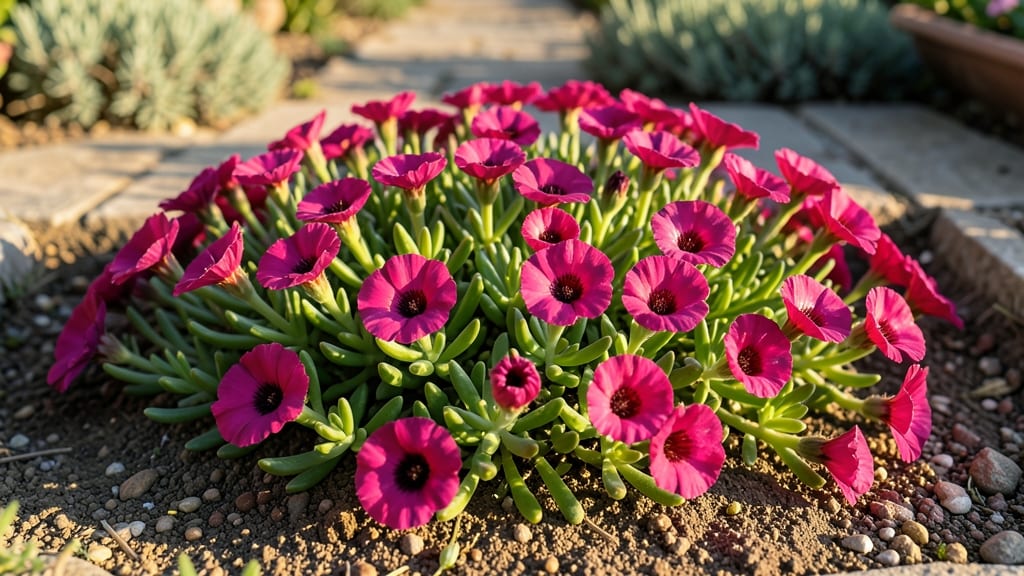
Portulaca blooms when the heat triggers its vibrant 🌸 cycle, turning your garden into a splash of color with the right timing and care.
If you’ve ever watched your portulaca (or moss rose) flowers vanish in cooler months only to explode in color with the slightest heat wave, you’re not alone—this succulent’s bloom cycle is entirely heat-triggered.
In Zone 6 and beyond, portulaca typically bursts into bloom from late spring through early fall, but the exact timing depends on your climate and variety. Some types even flower year-round in warmer zones.
Below, I’ll break down the stages, how to extend blooming season, and the simple care tricks that keep your portulaca flowering longer—no guesswork required.
Portulaca bloom stages triggered by heat: variety-specific timelines
Portulaca’s heat-triggered blooming is one of its most fascinating traits. Unlike many flowers, it doesn’t bloom on a seasonal calendar—it responds directly to daytime temperatures.
When daytime highs hit 75°F+, Portulaca grandiflora (moss rose) kicks into full bloom mode, while Portulaca oleracea (purslane) may take slightly cooler conditions to produce its edible flowers. Understanding these variety-specific triggers lets you predict—and even manipulate—when your plants will burst into color.
The key to unlocking portulaca’s blooms lies in nighttime temperatures. While daytime heat triggers flower production, nighttime temps below 60°F can stall blooming entirely. This is why you’ll often see spring and fall blooms in temperate climates—those shoulder seasons provide the perfect warm days, cool nights balance.
In tropical zones, however, some varieties like 'Red Velvet' or 'Scarlet Drum' can flower year-round if heat stays consistent.
For Portulaca grandiflora varieties like 'Sundance' or 'Red Velvet', the bloom cycle starts when daytime temps consistently exceed 75°F. These varieties are summer specialists, thriving in the intense heat of Zone 8–11.
In cooler zones (e.g., Zone 5–7), you’ll see blooms only in late spring and early fall when heat spikes temporarily. The morning-afternoon bloom pattern is also key—most portulaca flowers open at dawn, close by noon, and reopen in late afternoon if temps stay warm.
If you’re growing Portulaca oleracea (purslane), expect a slightly different pattern. This variety blooms earlier in the season, often producing flowers as early as April in Zone 6, when daytime temps hit 65–70°F.
Unlike its ornamental cousins, purslane can handle cooler nights better, making it a spring and fall performer even in temperate climates. Its flowers are smaller but edible and peppery, adding a unique twist to salads or garnishes.
The late bloomers in the portulaca family, like 'Scarlet Drum', are designed for intense heat. These varieties often skip spring blooming entirely, waiting until July or August when daytime temps exceed 85°F.
In desert climates (Zone 10–11), they can produce flowers year-round, with only brief pauses during monsoon rains or extreme heatwaves. This makes them ideal for xeriscaping or rooftop gardens in hot, dry areas.
To extend your portulaca’s bloom time, focus on heat management. If your plants stop flowering in late summer, it
Climate Zone impact on portulaca flowering: when to expect blooms
Portulaca’s blooming habits are directly tied to temperature, making USDA climate zones the ultimate predictor of when to expect those cheerful moss rose flowers.
In Zone 10-11 desert climates, portulaca often blooms year-round thanks to consistent heat, while Zones 3-6 experience seasonal blooms from late spring to early fall. Microclimates—like urban heat islands or sheltered garden spots—can even shift bloom windows by 2-4 weeks in cooler zones.
The key threshold? Daytime highs above 75°F trigger blooming, but nighttime temps below 60°F halt flower production entirely. This explains why New England gardeners see portulaca blooms from June to September, while Arizona growers enjoy nonstop color.
Understanding these patterns lets you plan your garden for maximum impact—whether you’re chasing summer blooms or extending the season with heat-loving varieties.
In cooler zones (3–6), portulaca often acts as a short-season annual, blooming aggressively when soil temps hit 70°F+ but going dormant with frost.
Gardeners in Zone 6, like those in New York or Wisconsin, can extend blooms by planting in containers and moving them to sheltered spots as temps dip. Meanwhile, Zone 10–11 growers in desert climates rarely see dormancy—portulaca thrives year-round with minimal care beyond occasional watering.
Microclimates play a surprising role. A south-facing wall in Zone 5 might push blooms 2 weeks earlier than the rest of the garden, while shaded spots delay flowering until July or August.
This is why urban gardeners often see portulaca blooming in July even when rural neighbors wait until August. Pay attention to localized heat pockets—they’re your secret weapon for earlier (or later) blooms.
For gardeners in transition zones (7–9), the trick is heat management. While portulaca loves heat, prolonged temps above 95°F can stress plants, reducing bloom quality. In Texas or Florida, this means light afternoon shade during peak summer months to prevent heat scorch.
Conversely, Zone 8 gardeners in California might see fall blooms when cooler nights trigger secondary flowering cycles.
Pro tip: Use portulaca’s heat sensitivity to your advantage. In Zones 3–6, plant early-blooming varieties like 'Scarlet Flame' in May for June–July color, then follow with 'Sundance' for August–September shows. In warmer zones, successional planting every 6 weeks ensures continuous blooms from spring to frost.
Remember, portulaca’s bloom time is a heat barometer—track your local temps and adjust planting schedules accordingly. With the right zone-specific timing, you can turn your garden into a year-round floral showstopper, even in cooler climates. 🌸☀️