
Blooming
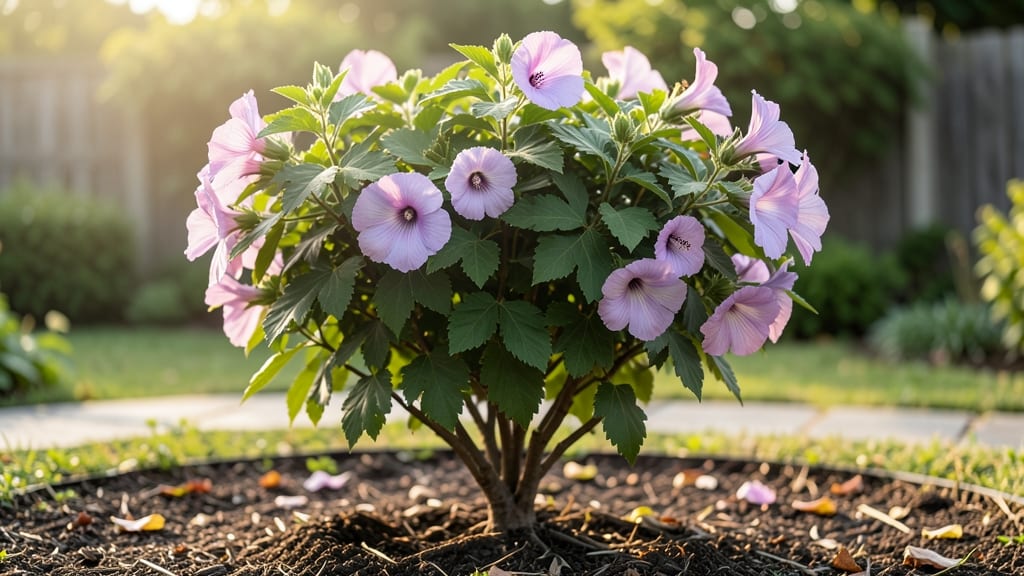
The Rose of Sharon bloom season transforms your garden into a burst of color from mid-summer through fall, but getting the most out of those vibrant 🌸 blooms depends on timing and care.
If you’ve ever watched a Rose of Sharon explode into vibrant blooms—only to wonder why they’re not lasting longer or looking their boldest—timing your pruning could be the game-changer you’re missing.
In USDA Zone 6a, these hardy shrubs typically bloom from July through September, but with the right techniques, you can push that season earlier or extend it later. The key? Pruning at the right time and giving them the care they need to thrive.
Below, I’ll walk you through the best pruning schedule, seasonal care tips, and how to troubleshoot small or fading blooms—so you can enjoy a longer, bolder bloom season every year.
Understanding Rose of Sharon bloom season: when and how long flowers last
The Rose of Sharon (Hibiscus syriacus) is famous for its dramatic summer-to-fall blooms, but many gardeners wonder why their plants don’t flower longer or as boldly as they’d like.
The answer lies in understanding its natural bloom season, which typically spans from mid-summer to early fall, depending on your USDA hardiness zone and local climate.
In USDA Zones 6-9, where Rose of Sharon thrives, blooms usually begin in late July and continue until October, with some late varieties extending into November in warmer regions.
However, cooler climates may see shorter bloom periods, while hotter southern zones can enjoy nearly year-round flowering with proper care.
Each individual bloom lasts 2-3 days, but new buds form continuously, creating the illusion of a longer season. The key to maximizing bloom duration is understanding how climate, pruning, and soil health interact to influence flower production.
Climate plays a huge role—Rose of Sharon needs 6+ hours of sunlight daily to produce its best blooms. In shady locations, expect fewer flowers and smaller buds. Meanwhile, high humidity can encourage fungal issues, while drought stress may cause buds to drop before opening.
| Factor | Impact on Bloom Season | How to Optimize |
|---|---|---|
| USDA Zone | Zones 6-9: July-October Zones 10+: Year-round with care |
Choose varieties suited to your zone; protect from early frost |
| Sunlight | Full sun (6+ hours) = longer season Partial shade = shorter season |
Plant in south-facing locations; avoid deep shade |
| Watering | Drought stress = bud drop Overwatering = root rot |
Deep water weekly; mulch to retain moisture |
| Pruning | Late winter pruning = more buds Post-bloom pruning = next year's flowers |
Prune after first frost; remove dead wood annually |
| Soil Health | Poor soil = weak blooms Rich soil = bigger flowers |
Amend with compost; test pH (6.5-7.0 ideal) |
One of the most common questions I hear is, "Why do my Rose of Sharon blooms fade so quickly?" The answer often comes down to bud health.
If buds form but drop before opening, it’s usually a sign of environmental stress, like sudden temperature swings or inadequate nutrients. To prevent this, I recommend a balanced fertilizer (10-10-10) applied in early spring and a light feeding in summer.
Another way to extend the bloom season is by choosing late-blooming varieties like 'Annabelle' or 'Diana'. These cultivars naturally flower later into fall, giving you a longer display. Pairing them with early-blooming varieties like 'Blue Bird' can create a continuous bloom cycle from summer through frost.
In cooler climates (Zones 6-7), Rose of Sharon may stop blooming by mid-October due to shorter daylight hours. To push the season further, I’ve had success with lightweight row covers on chilly nights, which protect buds from frost while still allowing sunlight.
Just remove them during the day to avoid overheating.
If your Rose of Sharon isn’t blooming at all, the issue might be over-pruning or lack of sunlight. These shrubs need 3-4 years to mature before producing their best flowers, so patience is key.
Once established, they can reward you with 3-4 weeks of vibrant blooms if given the right conditions.
For gardeners in warmer climates (Zones 8-10), the bloom season can stretch into December, especially if you’re in a mild winter zone. However, even here, blooms may slow down during peak summer heat.
To combat this, I’ve found that providing afternoon shade during the hottest months helps maintain flower production.
Remember, Rose of Sharon is a deciduous shrub, so its energy focuses on new growth in spring and flowering in summer/fall. By aligning your care—like pruning after blooms and fertilizing in spring—you’ll encourage stronger stems and more abundant flowers for the next season.
🌸
Best pruning schedule for Rose of Sharon to maximize blooms
Pruning your Rose of Sharon (Hibiscus syriacus) at the right time ensures longer, bolder blooms and healthier growth. This shrub blooms on old and new wood, so timing matters—cut too early, and you risk losing next year’s flowers.
The key is a structured pruning schedule that balances late-winter cleanup, post-bloom shaping, and seasonal maintenance.
Start by gathering your tools: sharp bypass pruners for clean cuts, loppers for thicker branches, and gloves to protect your hands. Avoid dull tools—they tear branches, inviting disease.
Prune on a dry, cloudy day to reduce stress on the plant. The goal? Encourage airflow and sunlight penetration while keeping the shrub’s natural shape.
⚠️ CRITICAL: Never prune in fall or early spring—this removes buds for next year’s blooms. Instead, follow this seasonal calendar to keep your Rose of Sharon thriving.
Dormant season
Remove dead, diseased, or crossing branches. Cut back last year’s blooms by ⅓ to encourage new growth. Never cut into old wood—this shrub blooms on new wood formed after pruning.
After flowers fade
Lightly trim spent blooms and leggy growth to redirect energy. Focus on shaping the shrub—remove suckers at the base and overcrowded branches. Avoid heavy pruning here to preserve next year’s buds.
Ongoing care
Remove wilted flowers and stray shoots regularly. Thin out dense foliage to improve air circulation. Never prune in fall—this can stimulate new growth that won’t harden off before winter.
Dormancy period
Inspect for damaged branches and remove them. Avoid pruning—the plant is dormant. Focus on mulching to protect roots from freeze-thaw cycles.
Common mistakes to avoid: over-pruning (which weakens the shrub), using dull tools (causing jagged cuts), or pruning at the wrong time (like fall). Always sterilize tools with rubbing alcohol between cuts to prevent disease spread.
With this schedule, your Rose of Sharon will reward you with vibrant, long-lasting blooms year after year.
Pro tip: Tag branches you prune in late winter—this helps track new growth and ensures you’re cutting back last year’s blooms correctly. A little planning now means stunning flowers next summer! 🌸