
Blooming
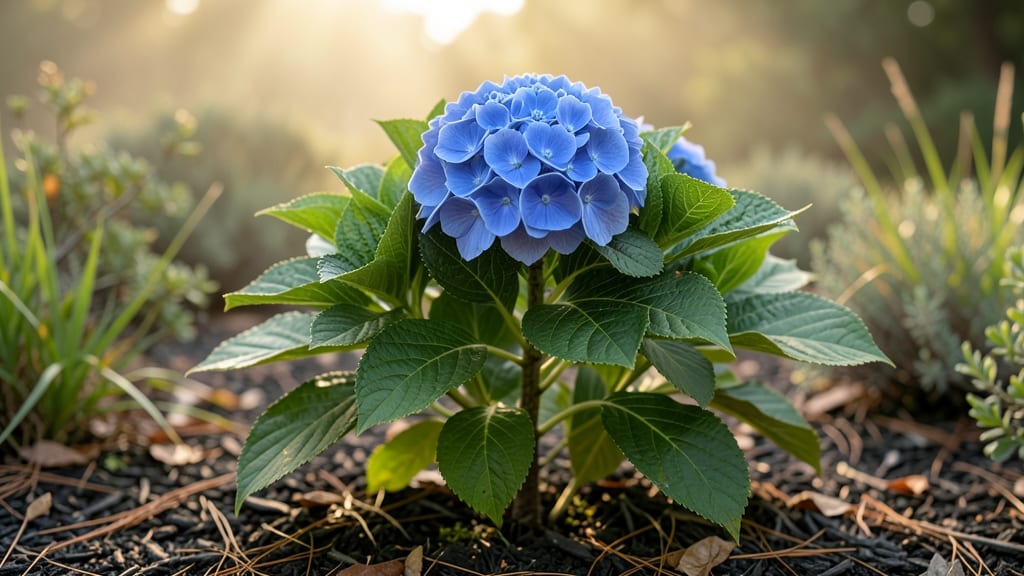
Growing single-bloom hydrangeas means bold, long-lasting color without the fuss of deadheading. 🌸 These plants—often called "lacecap" or "smooth" hydrangeas—rely on last year's growth to produce their stunning single blooms, so pruning them wrong can mean no flowers next season.
I’ve grown them for years, and once you learn their quirks, they reward you with vibrant blooms from summer through fall (and sometimes even winter). The secret starts with the right spot: morning sun and afternoon shade keeps flowers bright without scorching petals.
They love rich, well-draining soil with a slightly acidic pH (aim for 5.5–6.5). Unlike their mophead cousins, these hydrangeas don’t need aggressive pruning—just a light trim after flowering to shape the plant. Overwatering is their downfall, though, so let the top inch of soil dry out between waterings.
What sets single-bloom hydrangeas apart is their airy, delicate beauty—each flower is a tiny masterpiece, not a dense cluster. They’re also more disease-resistant than other types, which means fewer chemicals and more time admiring those jewel-toned blooms. The trade-off?
They take a little patience to establish, but once they’re happy, they’ll thrive for years with minimal effort. Here’s the best part: these hydrangeas don’t need deadheading to rebloom.
While mopheads rely on summer pruning, single-bloom types flower on old wood, so you can sit back and enjoy the show.
Just watch for aphids (they love the new growth) and powdery mildew in humid climates—both are easy to manage with a simple spray of neem oil or a good airflow. Ready to grow some drama in your garden?
📚 In This Guide
- What you need
- Instructions
- Tips and common mistakes
- Wrapping up and next steps
What you need
- ● Single bloom hydrangea plants: Choose from varieties like Hydrangea macrophylla 'Nikko Blue', 'Endless Summer', or 'Limelight'. Buy 1–3 plants (depending on desired coverage) from a reputable nursery.
- ● Well-draining potting mix: 5–10 gallons of a blend designed for acid-loving plants (e.g., miracle-gro® Azalea, Camellia & Rhododendron Mix).
- ● Container or garden bed: For containers: 1–2 large pots (12–18 inches in diameter) with drainage holes. Terracotta or ceramic works best.
- ● For in-ground planting: A sunny to partially shaded spot with 6+ hours of light and 6–8 inches of loose, organic soil amended with compost.
- ● Slow-release fertilizer: 1–2 tbsp of Osmocote® Smart-Release Plant Food (14-14-14 NPK ratio) for containers or ½ cup for in-ground planting.
- ● Mulch: 2–3 inches of pine bark fines or shredded cedar mulch to retain moisture and acidify soil.
- ● Garden trowel or spade: For digging and transplanting.
- ● Pruning shears: Bypass pruners (sharp and clean) for trimming spent blooms or shaping.
- ● Gloves: A pair of gardening gloves to protect your hands from thorns or rough bark.
- ● Watering can or hose with a gentle spray nozzle: Hydrangeas love consistent moisture!
- ○ pH testing kit (optional but helpful): To monitor soil acidity (ideal range: 5.2–5.5).
- ○ Aluminum sulfate or liquid aluminum (optional): 1–2 tbsp per gallon of water to blue up blooms if desired.
- ● Knowledge of your hardiness zone: Single bloom hydrangeas thrive in USDA Zones 5–9. Check your zone here!
- ● Patience: These beauties establish roots slowly—give them 1–2 years to fully bloom.
- ● Consistency: They hate drying out, so plan for regular watering (especially in containers).
How to maintain single bloom hydrangeas for continuous color
Here’s how I keep my single-bloom hydrangeas vibrant all season without deadheading—just a few simple tweaks.
🌿 Step 1: Understand Their Unique Growth Cycle
Single-bloom hydrangeas (like mopheads or lacecaps) produce flowers on new wood—meaning last year’s growth dies back, and this year’s stems carry the blooms. Unlike repeat-bloomers, they don’t need pruning to encourage reblooming. Instead, focus on soil moisture and sunlight to trigger consistent flowering.
These plants thrive in partial shade (4-6 hours of morning sun). Too much afternoon sun can scorch leaves, while too little light weakens stems and reduces bloom size. Watch for yellowing leaves or drooping buds—signs of stress from improper light.
☀️ Step 2: Optimize Sunlight and Watering for Blooms
Place your hydrangea where it gets bright, indirect light—think dappled shade under a tree or a spot where morning sun hits but afternoon shade kicks in. If you’re in a hot climate, a lightweight shade cloth (30-50%) in peak summer hours prevents heat damage.
Water deeply twice weekly during dry spells, ensuring the top 6 inches of soil stay moist. Single-bloom hydrangeas are sensitive to drought—they’ll drop buds if stressed. Mulch with 2-3 inches of organic mulch to retain moisture and regulate soil temperature.
💧 Step 3: Feed for Consistent Color Without Deadheading
Use a balanced, slow-release fertilizer (10-10-10) in early spring as new growth appears. This gives roots the nutrients they need to produce strong stems and abundant blooms. Avoid high-nitrogen fertilizers—they’ll boost foliage at the expense of flowers.
In mid-summer, switch to a low-nitrogen, high-phosphorus formula (5-10-10) to support bloom development. I apply this in early July, just as buds begin to form. Over-fertilizing later in the season can lead to weak, leggy growth.
✂️ Step 4: Prune Strategically for Next Year’s Blooms
Prune single-bloom hydrangeas immediately after flowering—never in late winter or early spring. Cut back 1/3 of the oldest stems to the ground while leaving the rest intact. This encourages new growth from the base, which will carry next year’s blooms.
Remove only dead, diseased, or crossing branches—never more than a third of the plant at once. If you prune too late, you risk cutting off next year’s flower buds, which form on new wood in early summer.
🌱 Step 5: Winter Care for Year-Round Color
In colder climates, protect single-bloom hydrangeas by wrapping the base with burlap or frost cloth once temperatures drop below 20°F. This shields roots from freeze-thaw cycles, which can damage them.
In mild winters, no extra protection is needed. The key is keeping the soil slightly moist (but not soggy) throughout dormancy. Overwatering in winter can lead to root rot, while dry soil stresses the plant.
Tips & tricks for perfect single bloom hydrangeas
Between us, these simple adjustments will keep your single-bloom hydrangeas looking like a showstopper all season long.
Lighting Strategy: The 4-6 hours of morning sun mentioned in Step 1 is critical—think of it as their golden hour. If your hydrangea gets afternoon sun, consider moving it to a location with filtered light or providing shade during peak heat (12-3 PM). I've seen plants go from droopy to thriving just by adjusting their afternoon exposure.
Watering Precision: When you're watering twice weekly to keep the top 6 inches moist, use your finger to check soil moisture before watering. If the top inch feels dry, it's time. Overwatering is just as damaging as underwatering—hydrangeas hate soggy roots. A moisture meter helps if you're unsure.
Fertilizer Timing: The early July application of 5-10-10 is non-negotiable for bud formation, but here's what nobody tells you—split that application into two smaller doses in late June and early July. This gradual feeding prevents nutrient burn while supporting consistent bloom development.
Pruning Insight: When you're cutting back 1/3 of the oldest stems immediately after flowering, look for stems that are completely spent (no green growth) and cut them back to the ground. The stems you leave should have at least 2-3 sets of leaves—these will produce next year's blooms from new wood growth.
Pro Tips for Single Bloom Hydrangea
- Between us, these simple adjustments will keep your single-bloom hydrangeas looking like a showstopper all season long.
- Lighting Strategy: The 4-6 hours of morning sun mentioned in Step 1 is critical—think of it as their golden hour.
- Watering Precision: When you're watering twice weekly to keep the top 6 inches moist, use your finger to check soil moisture before watering.
Frequently asked questions
Got questions about single bloom hydrangeas?
You’re not alone! These stunning plants are full of surprises—especially when it comes to year-round color. Here are answers to the most common queries to help you master your single bloom hydrangea like a pro.
Do single bloom hydrangeas need deadheading?
Not at all! Unlike their mophead or lacecap cousins, single bloom hydrangeas (like Hydrangea paniculata) thrive without deadheading. In fact, leaving spent blooms on the plant adds winter interest and protects buds for next year. Just trim back in late winter or early spring for fresh growth.
When is the best time to prune single bloom hydrangeas?
Prune after the first hard frost (late fall/winter) or in early spring before new growth starts. Avoid summer pruning—it can remove next year’s blooms. For H. paniculata, cut back stems by ⅓ to encourage bushier growth and larger flowers.
Can single bloom hydrangeas survive in shade?
They tolerate partial shade (4–6 hours of sun), but full sun (6+ hours) brings the most vibrant blooms and compact growth. In hot climates, afternoon shade helps prevent leaf scorch. Test your spot: if the area gets some direct light, it’s likely a good fit!
Why aren’t my single bloom hydrangeas flowering?
No flowers? Check these fixes:
- Pruning timing: If you cut back in summer, you’ve likely removed next year’s buds.
- Fertilizer: Too much nitrogen = leafy growth, not blooms. Use a balanced 10-10-10 or bloom-boosting formula.
- Sunlight: They need at least 4 hours of sun daily for optimal blooming.
- Age: Younger plants (1–2 years) may not flower yet—be patient!
Are single bloom hydrangeas drought-tolerant?
Once established (after 1–2 years), they handle dry spells better than other hydrangeas. However, consistent moisture (1–1.5 inches per week) during the first growing season ensures strong root development. Mulch around the base to retain moisture and regulate soil temperature.
What colors can I expect from single bloom hydrangeas?
Colors range from white (like ‘Limelight’) to pink (‘Little Lime’) and even deep burgundy (‘Grandiflora’). The magic? Their blooms often change hue as they age—white flowers may blush pink, and pink ones deepen to purple. Soil pH doesn’t affect color (unlike bigleaf hydrangeas), so experiment freely!
Wrapping up and next steps
Single bloom hydrangeas are a gardener’s dream—easy to care for, stunning year-round, and effortless to maintain! 🌸 By embracing their natural growth habits and skipping deadheading, you’ll enjoy vibrant blooms without the fuss.
Whether you’re a beginner or a seasoned pro, these tips make it simple to create a low-maintenance, high-impact garden that thrives in any season.
Ready to transform your space? Start by selecting your favorite single bloom variety—then grab those pruners and get growing! 🌿 With just a little patience, you’ll have a garden that blooms beautifully all year long.