Blooming
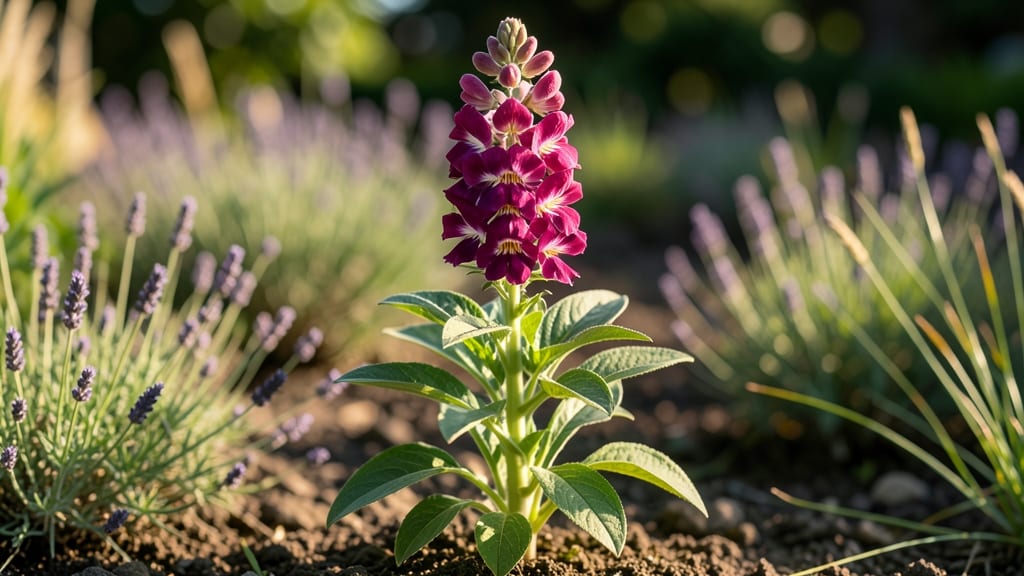
Snapdragon flowers bloom in late spring to early fall 🌸, but their exact timing depends on heat, variety, and where you live.
If you’ve ever wondered why your snapdragons bloom in waves—or why some varieties stay closed like shy gardeners—you’re not alone. These flowers are heat-triggered, meaning temperature shifts (not just days) dictate when buds open and how long they last.
In USDA Zone 6a, most snapdragons kick off their show in June, with peak color lasting through August. But cooler zones may see blooms start earlier, while hotter climates can stretch them into September—with the right care.
Below, I’ll break down how to time your planting, spot the signs of optimal bloom stages, and keep your snapdragons flowering longer—without deadheading drama.
How heat triggers snapdragon bloom stages by variety
Snapdragons are fascinating because their blooming cycles are directly tied to temperature fluctuations, not just daylight hours. Unlike many flowers that rely solely on photoperiodism (light exposure), snapdragons use thermoperiodism—meaning they need specific day/night temperature contrasts to trigger each bloom stage.
This is why your 'Rocket' snapdragons might bloom earlier than 'Tango' varieties in the same garden.
Understanding these stages helps you predict bloom windows and adjust care. For example, budding begins when daytime temps hit 65°F (18°C), but the buds won’t fully open until nighttime temps drop to 55°F (13°C).
This delicate balance explains why snapdragons often close their blooms on hot afternoons—a survival trick to conserve moisture.
Let’s break down the four key bloom stages and how heat triggers each one, with variety-specific examples to help you time your garden’s floral show.
| Bloom Stage | Daytime Temp (°F) | Nighttime Temp (°F) | Variety Examples | Heat Trigger |
|---|---|---|---|---|
| Budding | 60–65°F (15–18°C) | 50–55°F (10–13°C) | 'Rocket' (early), 'Sonnet' (dwarf) | Cool nights + mild days |
| Opening | 65–75°F (18–24°C) | 55–60°F (13–15°C) | 'Tango' (heat-tolerant), 'Matrix' (compact) | Warm days + cooler nights |
| Peak Bloom | 70–80°F (21–27°C) | 60–65°F (15–18°C) | 'Freedom' (tall), 'Cupid' (bicolor) | Stable warmth with nighttime drop |
| Fading | >85°F (29°C) | >70°F (21°C) | All varieties (heat stress) | Prolonged heat without relief |
The budding stage is where snapdragons are most sensitive to temperature shifts. Varieties like 'Rocket' start forming buds when daytime temps reach 60–65°F (15–18°C), but they won’t swell unless nighttime temps dip below 55°F (13°C).
This is why early spring or fall plantings often produce more buds than summer heatwaves. If your buds stay small and green, it’s a sign your nights are too warm—try moving pots to a cooler microclimate or using shade cloth during the day.
Once buds form, the opening stage kicks in when daytime temps hit 65–75°F (18–24°C).
Here’s where variety matters: 'Tango' snapdragons, bred for heat tolerance, will open their blooms more reliably in Zone 9 heat than 'Sonnet' dwarf varieties, which may stay closed if temps exceed 78°F (25°C).
Pro tip: If your snapdragons close during the day, they’re conserving water—provide afternoon shade to encourage reopening.
At peak bloom, your snapdragons should be putting on their best show with fully open flowers. This stage thrives in 70–80°F (21–27°C) days paired with 60–65°F (15–18°C) nights.
Varieties like 'Freedom' (tall spikes) and 'Cupid' (bicolor) perform best here, but even they’ll struggle if nighttime temps stay above 70°F (21°C). To extend this stage, deadhead spent blooms immediately—they’ll reward you with 2–3 weeks of continuous blooming.
The fading stage begins when heat becomes relentless. If daytime temps consistently exceed 85°F (29°C) and nights stay above 70°F (21°C), your snapdragons will start dropping buds and blooms prematurely. This is especially true for heat-sensitive varieties like 'Matrix' or 'Sonnet'.
In these conditions, even shade cloth may not help—consider replanting with heat-tolerant marigolds as companions to reflect some heat away.
For gardeners in hot climates (Zones 8–10), choose late-summer varieties like 'Freedom' or 'Rocket', which handle higher temps better. In cooler zones (3–6), focus on early-spring or fall plantings to align with natural temperature drops.
And remember: snapdragons are biennials in some climates, so their second-year blooms may follow a different heat-triggered schedule.
Next time you notice your snapdragons closing their "mouths" like shy children, it’s not just whimsy—it’s their way of telling you the heat is too intense. By tweaking their environment to mimic their ideal thermoperiodism, you’ll unlock longer, more vibrant bloom cycles. Happy gardening!
Best snapdragon bloom times by USDA climate Zones
Snapdragons are heat-loving annuals that adapt their bloom cycles to your USDA zone. In cooler climates (Zones 3–5), they thrive in summer’s warmth, while warmer zones (8–10) can enjoy year-round blooms with proper care.
Understanding these patterns helps you time plantings for continuous color—whether you’re in frost-prone Minnesota or frost-free Florida.
Your local microclimate also matters: containers dry out faster than in-ground beds, and afternoon shade can delay blooming in Zone 9’s intense heat. Below, I’ve mapped out peak bloom windows by zone, including early-spring, summer, and fall varieties that stretch your garden’s seasonal show.
| USDA Zone | Bloom Window | Best Varieties | Heat Tolerance | Microclimate Tip |
|---|---|---|---|---|
| Zones 3–4 | June–August | 'Rocket,' 'Tom Thumb' | Moderate (struggles above 85°F) | Use black containers to warm soil faster |
| Zones 5–6 | May–September | 'Freedom,' 'Matrix' | Good (thrives 70–80°F) | Plant near tall perennials for afternoon shade |
| Zones 7–8 | Spring–Fall (with gaps) | 'Tango,' 'Monarch' | High (bolts in 90°F+) | Deadhead daily to prevent heat stress |
| Zones 9–10 | Year-round (staggered) | 'Sensation,' 'Dragonfly' | Very High (needs shade cloth) | Plant in partial shade; water morning/evening |
In Zones 3–4, snapdragons bloom in a short summer window (June–August) because cool nights delay opening. Choose dwarf varieties like 'Tom Thumb' to avoid flopping in wind. For Zones 5–6, plant heat-tolerant hybrids like 'Matrix' in late spring for a 4-month show—just mulch heavily to retain moisture.
Gardeners in Zones 7–8 often see two bloom cycles: spring and fall, with a mid-summer lull. To bridge the gap, succeed summer-blooming varieties (like 'Tango') with fall varieties (like 'Freedom').
In Zones 9–10, snapdragons can bloom year-round if you provide afternoon shade and consistent watering—but they’ll bolt in extreme heat (above 90°F).
Containers accelerate blooming in cooler zones because soil warms faster. In Zone 4, I’ve seen 'Rocket' snapdragons bloom 2 weeks earlier in black pots than in-ground.
For Zone 9, use self-watering pots and 30% shade cloth to prevent wilting. Deadheading is non-negotiable in hot climates—it tricks plants into reblooming instead of setting seed.
Pro tip: Stagger plantings by 2 weeks to extend your bloom time. For example, in Zone 6, sow half your seeds in late April and the rest in early June.
This creates a continuous display from June through September. Pair snapdragons with heat-loving marigolds to repel pests and boost pollinators—your garden will thank you with longer-lasting blooms.