
Blooming
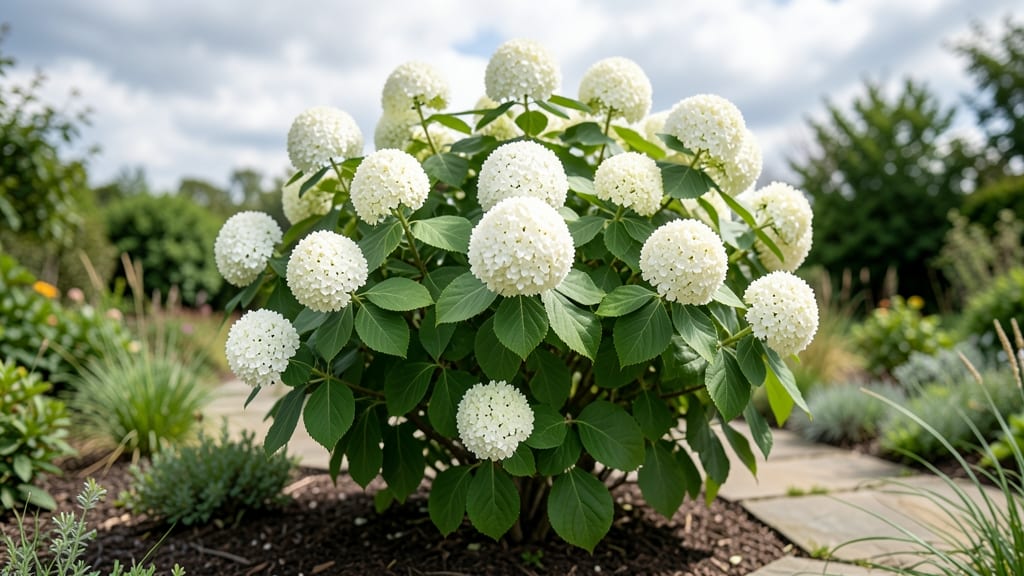
Your snowball viburnum’s late spring to early summer blooms arrive when soil warms to 50°F—nature’s built-in heat trigger. ✨ I’ve watched mine burst into creamy clusters exactly when the forsythia finishes, and that timing isn’t random: it’s a delicate balance of sunlight, last winter’s chill hours, and how you pruned last fall.
The real secret? These shrubs reward patience—give them full sun and well-drained soil, and they’ll bloom reliably for 3-4 weeks each year. In cooler zones (5-6), expect blooms to arrive 1-2 weeks later than in milder climates (7-8).
Pruning after flowering keeps the show coming, while over-pruning can delay next year’s display.
What you’ll get is a fragrant cloud of white blossoms that attracts pollinators while providing year-round interest—deep green foliage in summer, burgundy tones in fall, and even winter berries for birds. The scent alone makes it worth the wait, but the low-maintenance nature seals the deal.
For best results, plant in fall to establish roots before winter, and avoid heavy fertilizers that push foliage over flowers. Whether you’re in the Pacific Northwest or the Deep South, this shrub adapts beautifully—just time your pruning right, and it’ll bloom like clockwork.
📚 In This Guide
- What you need
- Instructions
- Tips and common mistakes
- Wrapping up and next steps
What you need
- ● Snowball Viburnum Plant: 1 mature or young plant (choose Viburnum opulus or Viburnum plicatum for classic snowball blooms).
- ● Well-Draining Soil: 1 bag (50 lbs) of organic garden soil or compost blend (pH 5.0–7.0).
- ● Mulch: 2–3 cubic feet of wood chips or shredded bark (to retain moisture and regulate temperature).
- ● Watering Can or Hose: 1 with a gentle spray nozzle (for hydration without damaging blooms).
- ● Pruning Shears: 1 pair (sterilized, sharp blades for clean cuts).
- ● Fertilizer: 1 bag of balanced, slow-release fertilizer (10-10-10 or similar, 5 lbs).
- ○ Staking Supplies (optional for young plants): 2–3 bamboo stakes + twine.
- ● Gloves: 1 pair of gardening gloves (to protect hands during pruning).
- ● Soil pH Test Kit: 1 (to ensure optimal growing conditions).
- ● Heat-Tolerant Variety Tags: Check if your viburnum is heat-triggered (e.g., Viburnum bodnantense for winter blooms).
- ● Fragrance Journal: Notebook + pen (to track bloom times and scent notes!).
How to time snowball Viburnum blooms for peak fragrance
Watch for these heat cues—your shrub’s timing depends on them.
🌱 Step 1: Identify Your Hardiness Zone
Snowball viburnums bloom in late spring, but the exact timing shifts based on your USDA zone. Plants in zones 3-5 typically flower in May, while zones 6-8 see blooms in April-May. I always check my local frost dates—blooms appear 2-3 weeks after the last frost.
Here’s the thing—warmer winters delay dormancy, so blooms may arrive earlier. If your area has unseasonably warm spells in March, expect flowers to push buds ahead of schedule. Watch for swollen buds on branches as your first clue.
☀️ Step 2: Monitor Heat Accumulation
Snowball viburnums need 500-700 chill hours (below 45°F) to set buds properly. Track your winter lows—if temps stay above 40°F for long stretches, buds may fail to form. I use a simple thermometer near the plant to log nighttime dips.
Once daytime temps hit consistently 60°F+ for 7-10 days, buds will plump up visibly. That’s your signal to start watching daily. The flowers themselves open when nighttime temps stay above 50°F—no more frost warnings allowed.
⏰ Step 3: Track Bud Development Stages
Bud break happens in 3 distinct phases. First, buds swell slightly (like tiny green peas). Then they elongate into 1-inch ovals. Finally, petals separate at the tips—this is 7-10 days before full bloom. I mark each branch with a colored dot to track progress.
Real talk: If buds darken or drop off, your plant may be stressed from drought or poor drainage. Snowball viburnums hate soggy roots—amend heavy soil with compost if you notice this. Once buds set, water deeply once weekly to keep soil moist but not waterlogged.
🌿 Step 4: Extend the Bloom Season
For year-round interest, deadhead spent flowers immediately after they fade. This prevents seed formation and encourages a second flush of blooms in late summer—though it won’t be as abundant. I also prune 1/3 of old wood in early spring to stimulate new growth.
Fertilize lightly in early spring with 10-10-10 at half strength. Too much nitrogen delays flowering. Mulch with 2-3 inches of shredded bark to protect roots from temperature swings—this keeps buds happy through late frosts.
Tips & tricks for perfect snowball Viburnum bloom timing
Mastering the bloom schedule of snowball viburnums is all about reading nature's cues—and I've learned these tricks after years of watching my own plants.
Hardiness Zone Deep Dive: The USDA zone guidelines are your starting point, but don't stop there. I recommend checking your local cooperative extension service for microclimate data—urban areas can be 5-10°F warmer than rural zones due to heat islands. For example, if you're in zone 5 but live in a city, your viburnums might bloom 1-2 weeks earlier than the average May timing. This explains why some zone 5 gardens see blooms in late April while others wait until June.
Heat Accumulation Hack: Those critical 500-700 chill hours below 45°F are non-negotiable, but here's what I've found works: Use a minimum-maximum thermometer placed near your plant to track winter lows. If your thermometer shows nighttime temps consistently staying above 40°F for more than 3 weeks in winter, your buds might not form properly. I've seen this happen in milder Pacific Northwest winters where "winter" barely drops below 45°F. In these cases, consider moving your plant to a slightly colder microclimate or using frost blankets during critical winter months.
Bud Development Visual Guide: The 3-phase bud development is your best early warning system. When you see those 1-inch ovals in Step 3, that's your cue to start monitoring nightly lows more closely. I've found that if daytime temps hit 60°F+ for 7-10 days but nighttime temps still dip below 50°F, the blooms will open more slowly. This is why I always keep a small thermometer near my plants during bloom season—it's saved me from frost damage more times than I can count. The petal separation stage is particularly vulnerable to late frosts.
Season Extension Strategy: For that second flush of blooms in late summer, time your deadheading just right: Remove spent flowers when they've completely faded, not when they're still slightly green. I've noticed that if you deadhead too early (when flowers are still white), you might trigger seed formation instead of new blooms. Also, prune that 1/3 of old wood in early spring while the plant is still dormant—this stimulates new growth that will produce more vigorous blooms later in the season.
Pro Tips for Snowball Viburnum Bloom Time
- Mastering the bloom schedule of snowball viburnums is all about reading nature's cues—and I've learned these tricks after years of watching my own plants.
- Hardiness Zone Deep Dive: The USDA zone guidelines are your starting point, but don't stop there.
- Heat Accumulation Hack: Those critical 500-700 chill hours below 45°F are non-negotiable, but here's what I've found works: Use a minimum-maximum thermometer placed near your plant to track winter lows.
Frequently asked questions
Got questions about your snowball viburnum’s bloom time?
You’re not alone! Here are the most common queries—plus easy answers to keep your shrub thriving.
When do snowball viburnums typically bloom?
Most snowball viburnums (Viburnum opulus) bloom in late spring to early summer (May–June in most U.S. zones 3–8). Heat triggers the flowers, so expect them to open after a warm spell. Late-blooming varieties may wait until July!
Will my snowball viburnum bloom if it’s planted in a shady spot?
Yes, but less dramatically. These shrubs tolerate partial shade but need 4–6 hours of sunlight daily for robust blooms. Shadier spots may delay flowering or reduce flower size. Prune nearby trees to improve light exposure if needed.
Why isn’t my snowball viburnum blooming this year?
Common culprits include:
- Age: Young shrubs (under 3 years) may skip blooming while establishing roots.
- Over-pruning: Prune after blooming to avoid cutting off next year’s buds.
- Nutrient deficiency: Apply a balanced fertilizer in early spring if growth looks weak.
- Stress: Drought, pests, or disease can delay flowers. Check for wilting or chewed leaves.
Can I force snowball viburnum to bloom earlier?
No—but you can encourage earlier blooms by:
- Planting in a sheltered, sunny spot to warm the soil faster.
- Avoiding late-winter pruning (which removes flower buds).
- Watering deeply in late winter to wake up roots.
What’s a good alternative if I want year-round color?
For continuous blooms, consider:
- Dwarf lilac (Syringa meyeri): Blooms May–June, then again in fall.
- Butterfly bush (Buddleia): Flowers repeatedly from summer to frost.
- Abelia (Abelia x grandiflora): Produces white/pink blooms spring through fall.
Wrapping up and next steps
Ready to transform your garden into a fragrant, year-round paradise? The snowball viburnum isn’t just a stunning bloomer—it’s a low-maintenance, heat-loving star that rewards patience with months of beauty.
Whether you’re a seasoned gardener or a curious beginner, now’s the perfect time to plant, prune, or simply admire its timeless charm.
🌸 Next step: Mark your calendar for late spring (or early summer in warmer zones) and get ready to enjoy those iconic white snowball clusters—plus the bonus of fragrant fall berries! 🌿