
Blooming
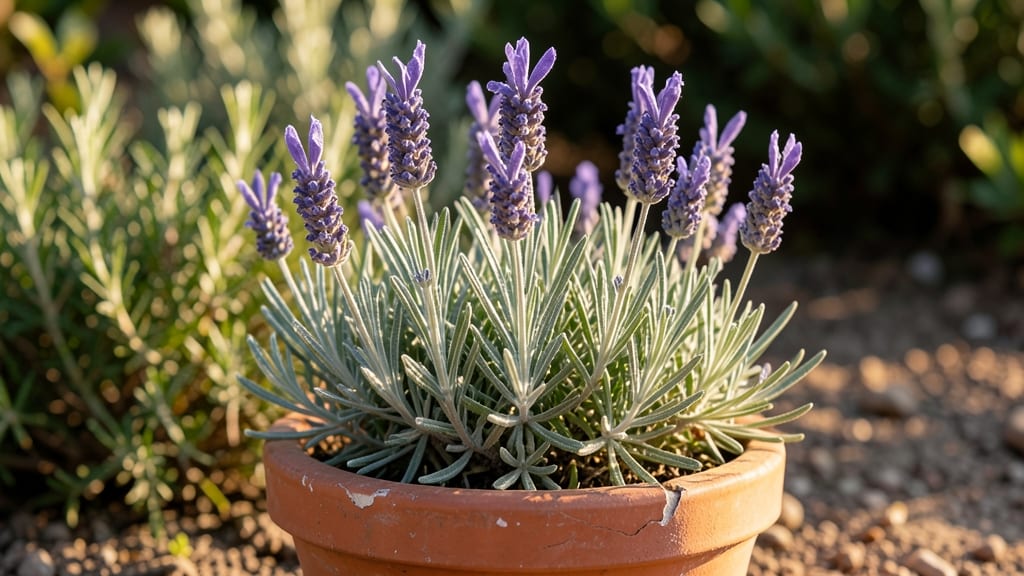
Spanish lavender bloom time is all about heat—those striking purple spikes only open when daytime temperatures hit 75°F or higher for weeks at a stretch.
If you’ve ever planted Spanish lavender 🌸 hoping for a summer-long show, you might’ve been surprised by its picky timing. Some varieties burst into bloom by early June, while others wait until July—unless you tweak their environment. The secret? Heat consistency, not just sunshine, triggers those fragrant flower heads.
For gardeners in Zone 6a (like me), that means waiting until after April’s last frost before expecting buds. But don’t panic if your plants seem slow—Spanish lavender rewards patience with longer blooms than English lavender, often lasting through August if you prune correctly.
Below, I’ll break down the exact bloom windows by variety, how to push your plants into flowering earlier, and the one pruning trick that keeps them blooming until frost. No more guessing—just predictable purple.
When Spanish lavender blooms: heat-triggered stages by variety
Spanish lavender (Lavandula stoechas) is famous for its heat-triggered blooms, but not all varieties follow the same schedule. Some burst into color by early summer, while others wait until late summer—all thanks to temperature-sensitive growth patterns.
Understanding these stages helps you predict when your plants will reward you with fragrant purple spikes and adjust care accordingly.
Heat acts as the primary catalyst for blooming, but day length and soil warmth also play critical roles. For example, ‘Anouk’ often blooms earlier than ‘Phenomenal’ because it thrives in slightly cooler conditions.
Meanwhile, ‘Dwarf Blue’ may wait until late summer when temperatures peak. Let’s break down the heat-triggered stages for each variety so you can time your garden expectations perfectly.
🌡️ Key temperature thresholds: Spanish lavender typically begins budding when soil temps reach 60°F (15°C) and fully blooms at 75–85°F (24–29°C). Sudden heat spikes can accelerate flowering, while prolonged cool snaps may delay it. This explains why some years your lavender blooms earlier or later than expected!
Here’s how to spot bud formation and color shifts that signal each variety’s unique bloom window:
| Variety | Bloom Window | Heat Trigger | Visual Cues |
|---|---|---|---|
| ‘Anouk’ | Early to mid-June | 65–75°F (18–24°C) | Purple buds appear in May; flowers fully open by June |
| ‘Phenomenal’ | Late June to July | 75–85°F (24–29°C) | Budding starts in late May; color shifts from green to deep purple |
| ‘Dwarf Blue’ | Late July to August | 80–90°F (27–32°C) | Slow budding; flowers open gradually over 4–6 weeks |
| ‘Otto Quast’ | Mid-June to early July | 70–80°F (21–27°C) | Buds form quickly; flowers turn lavender-pink |
Notice how ‘Dwarf Blue’ waits until late summer? This variety is a late bloomer because it prefers intense heat to trigger its flowers.
If you’re in a cooler climate (USDA Zone 6–7), consider starting ‘Dwarf Blue’ in containers so you can move it to a sunniest spot during summer months to encourage earlier blooming.
For early bloomers like ‘Anouk’, watch for bud formation in May. The buds will start as tiny green tips, then turn purple-blue as they mature. If your plant skips blooming entirely, it might be stressed by overwatering or lacking sunlight.
Spanish lavender thrives in well-draining soil and 6+ hours of direct sun—any less, and it may delay flowering.
Temperature shifts can also accelerate or delay blooming. For example, a heatwave in May might push ‘Phenomenal’ to bloom in late June instead of July. Conversely, a cool snap in June could stall buds until August.
To encourage consistent blooming, mulch around the base of your plants with gravel or straw to regulate soil temperature and retain moisture without suffocating roots.
If you’re growing Spanish lavender in containers, heat retention becomes even more critical. Terracotta pots, for instance, absorb and radiate heat better than plastic, which can help trigger earlier blooming.
Just ensure your containers have drainage holes to prevent root rot—a common issue that can stress plants and delay flowers.
Pro tip: Deadhead spent blooms in late summer to encourage a second, lighter flush of flowers in fall. This works best for varieties like ‘Anouk’ and ‘Phenomenal,’ which are more responsive to pruning. Just avoid cutting into old wood, as Spanish lavender blooms on new growth.
🌸 Whether you’re planning a summer border or a fragrant fall wreath, timing your Spanish lavender care around its heat-triggered stages ensures a showstopping display. Now that you know which varieties bloom early, mid-season, or late, you can mix and match for continuous color from June through September!
How your climate Zone affects Spanish lavender bloom time
Spanish lavender (Lavandula stoechas) thrives on heat, but its bloom timing shifts dramatically depending on your USDA climate zone. In Zones 8–10, expect vibrant purple blooms from late spring to early fall, while gardeners in Zones 5–7 may see shorter, summer-only displays.
The key? Understanding how temperature thresholds trigger flowering—and how to adjust care to extend those fragrant spikes.
In Mediterranean climates (like Zone 9–10), Spanish lavender often blooms year-round with minimal dormancy, while high-desert areas (e.g., Zone 7) may experience a delayed but prolonged bloom season.
Humid regions (like Zone 6) risk bud drop if summer heat spikes above 90°F. Let’s break down the zone-specific bloom windows and how to optimize them.
In Zones 5–6, Spanish lavender often waits until late June to bloom, as cooler springs delay its heat-triggered flowering. To push blooms earlier, plant in south-facing beds with black mulch to absorb heat.
In Zone 7, you’ll see blooms stretch from May to September, but prune spent flowers in early summer to encourage a second flush by August.
For Zones 8–10, Spanish lavender’s bloom season can feel endless, but excessive summer heat (above 95°F) may cause buds to abort. Provide afternoon shade during peak heat and water deeply once weekly to prevent stress.
In Zone 10, some varieties bloom year-round, but a light winter pruning (after January) keeps plants tidy and encourages spring blooms.
If you’re in a humid climate (e.g., Zone 6–7), fungal issues can shorten bloom time. Improve airflow by spacing plants 18–24 inches apart and avoid overhead watering.
For high-desert areas, mulch with gravel to reflect heat and reduce soil moisture loss, which can stress roots during 100°F+ days.
Pro tip: Deadhead spent blooms in Zones 5–7 to extend flowering by 3–4 weeks, but skip this in Zones 8–10 where lavender often self-seeds prolifically. Always prune after blooming to avoid cutting off next year’s buds.