
Blooming
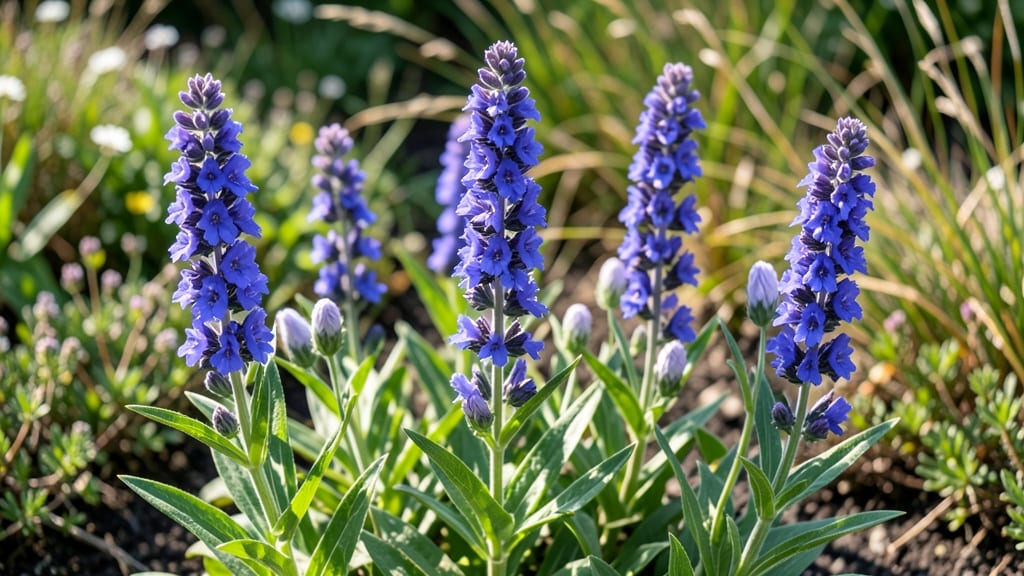
Speedwell blooms in late spring to early summer 🌸, with timing that can shift depending on your variety and climate zone.
Wondering when your Speedwell plants will burst into vibrant blooms? Timing is everything in gardening, and knowing the exact bloom windows for different varieties can mean the difference between a stunning display and disappointment.
Most Speedwell varieties, like Veronica longifolia and Veronica spicata, thrive in USDA Zone 6a and beyond, kicking off their show in May and lasting through June. But cooler zones may see blooms delayed until early summer, while warmer climates could enjoy an earlier start.
Below, I break down the exact months by variety, how to extend the bloom season, and the best companion plants to pair with your Speedwell for a show-stopping garden display.
Speedwell bloom time by popular variety (with exact months)
Speedwell (Veronica spp.) is a garden favorite for its vibrant blue, purple, or pink blooms that attract pollinators and add texture to borders. But not all varieties bloom at the same time—some burst into color in early spring, while others shine in mid-to-late summer.
Understanding these timelines helps you plan companion plants and extend your garden's seasonal interest. Let’s dive into the exact bloom windows for the most popular Speedwell varieties, adjusted for USDA zones 3-10.
Most Speedwell varieties are perennials, meaning they return year after year, but their bloom times vary significantly. For example, Veronica longifolia (Great Speedwell) is an early-season bloomer, while Veronica spicata (Spiked Speedwell) often waits until mid-to-late summer.
Even within the same species, cultivar differences can shift bloom times by 2-4 weeks. Below, I’ve organized the most common varieties by their typical bloom periods, with adjustments for cooler (zones 3-6) vs. warmer (zones 7-10) climates.
If you’re in USDA zones 3-6, expect Speedwell blooms to start 2-4 weeks later than in warmer zones.
For example, Veronica spicata might bloom in June–July in cooler climates but shift to May–June in zones 7-10. Microclimates also play a role—speedwells in sheltered, sunny spots often bloom earlier than those in windy or shaded areas.
One of my favorite tricks for extending bloom time is deadheading spent flowers. This encourages repeat blooming, especially in varieties like Veronica spicata and Veronica incana, which can produce secondary flushes if you remove faded blooms regularly.
Pair early bloomers like Veronica longifolia with late-season varieties like Veronica incana to create a continuous color show from spring through summer.
For container gardening, choose compact varieties like Veronica officinalis or Veronica pectinata, which thrive in pots and window boxes. Place them where they’ll receive 4-6 hours of sunlight daily—this ensures stronger stems and longer-lasting blooms.
In shadier climates, opt for partial-shade tolerant types like Veronica chionanthos, which still deliver cheerful blooms even with filtered light.
Pro tip: If you’re in a warmer zone (7-10) and notice
How climate zones affect Speedwell bloom time (Zone-by-Zone guide)
If you've ever wondered why your neighbor's Speedwell blooms in May while yours waits until July, the answer likely lies in your USDA climate zone. These zones determine when your plants receive enough warmth to trigger flowering, and Speedwell is no exception.
Warmer zones (7-10) enjoy earlier, longer bloom seasons, while colder zones (3-6) often see delayed or shorter displays. Understanding these patterns helps you plan your garden for maximum impact.
Speedwell thrives in cool to moderate climates, but its bloom timing shifts dramatically depending on where you live. In Zone 10, you might see vibrant blooms as early as February, while gardeners in Zone 4 may not enjoy their first flowers until June.
This zone-by-zone guide will help you predict when to expect those cheerful spikes of blue, purple, or white—and how to coax extra blooms from your plants.
- 1 Zones 7-10: Bloom as early as February-March (e.g., Veronica spicata in Zone 9 may flower by February). Warmer winters mean earlier growth spurts.
- 2 Zones 4-6: Peak blooms occur May-July, with some late varieties extending into August. Cooler springs delay flowering until soil warms.
- 3 Zone 3 and colder: Expect June-August blooms. Short growing seasons may limit flowering to just 6-8 weeks unless you use cold-hardy varieties like Veronica incana.
- 4 Marginal zones (e.g., Zone 6b): Use season extenders like row covers to push blooms earlier by 2-3 weeks. Plant in south-facing beds for extra warmth.
For gardeners in transition zones (like Zone 6a), microclimates play a huge role. A sunny, sheltered spot can advance blooms by 1-2 weeks compared to shadier areas. If your Speedwell seems sluggish, check its location—morning sun and afternoon shade are ideal for most varieties.
Mulching with straw or wood chips also helps retain soil warmth, encouraging earlier growth.
One of my favorite tricks for extending the Speedwell bloom season is deadheading spent flowers. In Zones 7-10, this can coax a second flush of blooms in late summer or early fall. In colder zones, focus on removing faded blooms in June-July to redirect energy into new growth.
Pairing Speedwell with drought-tolerant companions like lavender or catmint also helps conserve moisture during dry spells, which can stress plants and delay flowering.
Remember, climate isn't the only factor—soil quality and watering habits matter too. Well-draining, slightly alkaline soil (pH 6.5-7.5) and consistent moisture (but not soggy conditions) set the stage for healthy blooms. If your Speedwell struggles to flower, consider amending your soil with compost or aged manure before planting.
With the right conditions, even marginal zones can enjoy a prolonged display of these cheerful blooms.
Next time you're planning your garden layout, factor in these zone-specific bloom windows. Whether you're in a toasty Zone 10 or a chilly Zone 4, Speedwell can deliver color—you just need to work with its natural rhythm. Happy gardening! 🌸