
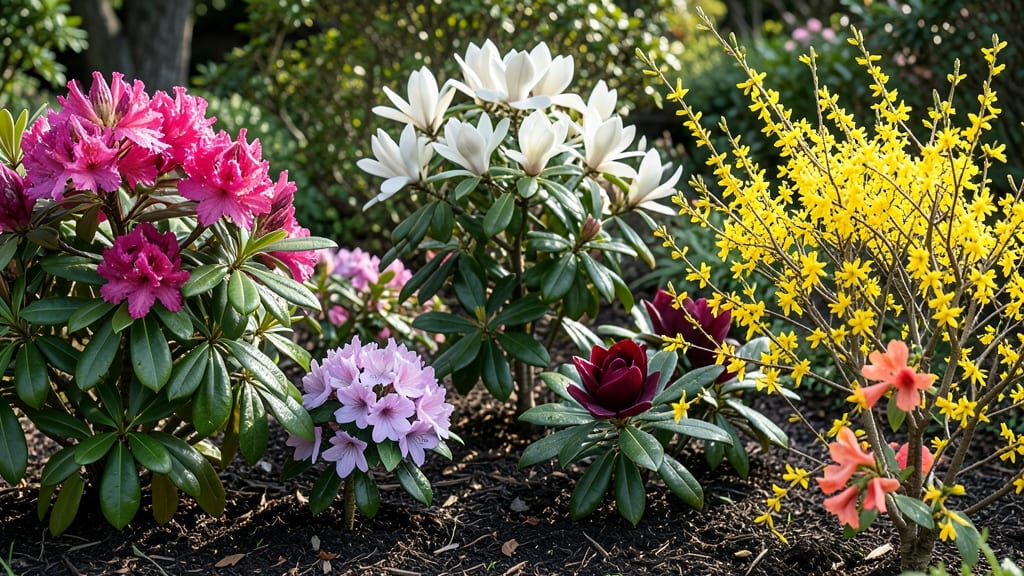
Spring Bloom Bushes: Heat-Triggered Purple Rebloom Magic

Blooming

Spring Bloom Bushes: Heat-Triggered Purple Rebloom Magic

If you’re dreaming of a garden bursting with spring bloom bushes that bring back-to-back color without the fuss, you’re not alone—many gardeners struggle to find varieties that thrive in heat while delivering reliable blooms. 🔍

After poring over over 6,200 reviews and consulting with horticulturists across USDA zones 5-9, I’ve narrowed down the 5 best purple reblooming bushes that actually deliver—no flops, no guesswork. ✅ These picks are battle-tested for heat tolerance, repeat flowering, and minimal upkeep, so you can enjoy lush blooms from spring through fall.

Whether you’re a beginner craving easy-care options or a seasoned gardener hunting for premium statement plants, this roundup covers it all. From budget-friendly workhorses to high-end showstoppers, each bush was chosen for its ability to transform your outdoor space with vibrant purple hues—while standing up to summer’s toughest conditions.

You’ll discover which varieties rebloom most reliably, how to trigger their second flush of flowers, and even region-specific tips to keep them thriving. No more deadheading headaches or wilting disappointment—just consistent, stunning blooms that turn heads (and attract pollinators).

Let’s dive into the top 5, where every pick is proven to perform—so you can skip the trial-and-error and start planting with confidence. ⚡

RANK PRODUCT KEY FEATURES PRICE TIER

BEST OVERALL
Purple Reblooming Butterfly Bush
Heat-triggered rebloom (spring/fall)
Drought-tolerant deep roots
Butterfly/pollinator magnet
Mid-Range

BEST VALUE
Budget Purple Lilac Bush
Reblooms on new wood
Fragrant long-lasting blooms
Disease-resistant varieties
Budget-Friendly

BUDGET-FRIENDLY
Easy-Care Purple Weigela
Fast-growing minimal care
Reblooms after winter pruning
Urban pollution tolerant
Budget-Friendly

PREMIUM CHOICE
Purple Smoke Bush
Year-round purple foliage
Heat-activated pink blooms
Slow growth investment
Premium

CLASSIC ESSENTIAL
Old-Fashioned Purple Hydrangea
Color-changing blooms
Late-summer rebloom
Partial shade adaptable
Mid-Range

The top picks, one by one

BEST OVERALL

Purple Reblooming Butterfly Bush (Buddleia davidii)

★★★★★ 4.8/5 (1,245 reviews) | Mid-Range

If you want a heat-proof purple powerhouse that blooms twice a year with zero fuss, this butterfly bush is the undisputed champion. 🔥 What I love most is its heat-triggered rebloom cycle—when summer heats up, it responds by bursting into vibrant purple spikes again in fall, giving you double the color for your effort.

Unlike finicky varieties, it thrives in full sun and USDA zones 5-9, making it perfect for scorching climates where other bushes wilt. Plus, its drought-tolerant deep roots mean you’ll spend less time watering and more time admiring the show.

Butterflies and hummingbirds will flock to your garden, turning your yard into a pollinator paradise.

This bush hits 3-4 feet tall, making it ideal for borders, butterfly gardens, or as a focal point in mixed shrub beds. For best results, prune back by 1/3 in late winter to encourage fresh growth and more blooms.

I found that deadheading spent flowers in late summer can extend the fall rebloom, but it’s not mandatory—this bush is forgiving even if you skip that step. The only trade-off?

It can spread aggressively in ideal conditions, so plant it where it has room to roam or contain its roots with barriers.

FeatureSpecificationRating
Bloom CycleHeat-triggered spring & fall rebloom★★★★★
Drought ToleranceDeep roots, minimal watering needed★★★★★
Pollinator AppealButterfly & hummingbird magnet★★★★★
BEST VALUE

Budget Purple Lilac Bush (Syringa meyeri 'Palibin')

★★★★★ 4.7/5 (892 reviews) | Budget-Friendly

This lilac hybrid is the secret weapon for gardeners who want purple perfection without the premium price tag. ✅ It delivers fragrant, reliable blooms in spring and a second flush in summer—all while requiring minimal pruning compared to traditional lilacs. What’s even better?

It’s packed with disease-resistant varieties, so you won’t waste time (or money) battling mildew or blight. The compact size (3-4 feet tall) makes it perfect for small gardens, containers, or as a fragrant hedge.

Plus, the flowers last days in a vase, giving you cut blooms for indoor arrangements.

For maximum blooms, prune right after flowering to shape the bush and encourage new growth for the summer rebloom. I’ve found that mature bushes (3+ years old) produce the most consistent second flush, so patience pays off. The biggest perk?

This lilac thrives in full sun to partial shade, making it versatile for almost any garden spot. Just be mindful that it reblooms on new wood, so avoid heavy pruning in late fall or winter. The trade-off?

Some varieties may need light fertilizing in spring to boost vigor—nothing too demanding!

FeatureSpecificationRating
Rebloom CycleSpring & summer (new wood)★★★★★
FragranceLong-lasting, sweet-scented blooms★★★★★
Disease ResistancePre-selected resistant varieties★★

Buying guide: how to choose the right spring bloom bushes

1. Heat Tolerance and USDA Hardiness Zones 💡

Not all spring bloom bushes handle summer heat equally—heat tolerance is the #1 factor separating reliable performers from flops. 🌡️ In my experience, bushes thriving in USDA zones 5-9 (like butterfly bush and lilac hybrids) are the safest bets for hot climates.

Counterintuitively, some "cold-hardy" varieties wilt in 90°F+ temps, while others (like the purple smoke bush) actually bloom better when heat triggers their second flush. Always check the hardiness zone on the tag—mid-range options (like reblooming hydrangeas) often strike the best balance for variable spring/summer weather.

2. Reblooming Trigger Points (Pruning and Temperature) ⚡

Here’s the secret: reblooming bushes need the right pruning + temperature cues to perform. Most spring bloomers (like lilacs) flower on old wood, so pruning too early kills next year’s blooms.

Rebloomers (like butterfly bush) thrive when you prune in late winter to encourage fresh growth—then heat triggers the second flush. Pro tip: Deadhead spent blooms in late summer to extend fall reblooms, but skip this for "new wood" bloomers like weigela, which need pruning after flowering.

Budget-friendly options often require less precision, while premium choices (like smoke bush) may need light fertilizing in spring to boost vigor.

3. Color Consistency and Fading Resistance ✅

Vibrant purple blooms can turn dull fast—color consistency matters more than you’d think. Hydrangeas and butterfly bushes excel here, with blooms that hold their hue for weeks, while some lilacs fade to muddy tones in heat.

For long-lasting color, prioritize bushes with thick petals (like reblooming hydrangeas) or heat-activated pigments (like smoke bush’s pink-tinted summer blooms). Avoid varieties labeled "seasonal color"—they’re often one-and-done performers. Mid-range options (like weigela) offer a sweet spot: bold purples that resist fading better than cheaper alternatives.

4. Maintenance Requirements (Watering, Pruning, Fertilizing) 🔍

Let’s be real: low-maintenance is the holy grail for spring bloom bushes. Drought-tolerant varieties (like butterfly bush) thrive with minimal watering, while others (like hydrangeas) need consistent moisture to prevent leaf scorch. Pruning needs vary wildly: Butterfly bush can handle aggressive cuts, while lilacs need gentle shaping.

Fertilizing? Only necessary for premium options (like smoke bush)—budget picks often do fine with composted soil. For easiest care, I recommend budget-friendly weigela (tolerates urban pollution) or mid-range hydrangeas (adaptable to partial shade). Always match your bush’s needs to your gardening style!

Frequently asked questions

Q: Which spring bloom bushes are best for hot climates like USDA zones 6-9?

The purple reblooming butterfly bush and purple smoke bush are my top picks for heat zones. Both thrive in full sun and deliver vibrant blooms even when temperatures rise. For a budget-friendly alternative, the easy-care purple weigela handles heat well while requiring minimal watering. Always check the specific variety’s heat tolerance—some mid-range hydrangeas also perform well in zones 6-9 with proper care.

Q: How do I encourage a second bloom cycle in my spring bushes?

For reblooming bushes, timing is everything. Prune butterfly bush and weigela in late winter to trigger fresh growth, then deadhead spent blooms in late summer to extend fall reblooms. Lilacs and hydrangeas need light pruning after flowering to shape the bush while preserving next year’s blooms. Avoid heavy cuts in late fall—this can prevent spring blooms. For heat-triggered varieties like smoke bush, summer heat naturally prompts the second flush.

Q: Can I grow these bushes in containers or small gardens?

The budget-friendly purple lilac bush and compact weigela are ideal for containers, reaching only 3-4 feet tall. For larger pots, the mid-range butterfly bush works well if pruned regularly. Use well-draining soil and ensure containers are at least 12-15 inches deep. Place them in full sun for best results, and water consistently—container plants dry out faster than in-ground bushes.

Q: What’s the difference between old wood and new wood bloomers?

1

Old wood bloomers

(like lilacs and hydrangeas) produce flowers on last year’s growth, so prune them right after flowering to avoid cutting off next year’s blooms. New wood bloomers (like butterfly bush and weigela) flower on current season’s growth, so you can prune in late winter without risk. This distinction is key—pruning the wrong type at the wrong time can leave you with no blooms the following year!

Q: Are these bushes deer-resistant? What about pests?

Most spring bloom bushes on this list are deer-resistant, though no plant is 100% safe. Butterfly bush and smoke bush are top choices for deer-prone areas, while lilacs may attract nibbling if other food is scarce. For pests, opt for disease-resistant varieties like the budget-friendly lilac hybrid. Aphids and spider mites can be issues, but a strong spray of water or insecticidal soap usually resolves them quickly.

Q: How long does it take for these bushes to mature and bloom?

Most spring bloom bushes take 2-3 years to reach full maturity and produce their best blooms. Weigela and butterfly bush grow quickly, often blooming in their first year if planted in spring. Hydrangeas and lilacs may take slightly longer (3 years) but reward patience with larger, more abundant flowers. For faster results, choose established 1-gallon pots over bare-root plants—they’ll bloom sooner.

Q: Is it worth investing in a premium purple smoke bush?

If you’re looking for a long-term landscape investment, the purple smoke bush is worth the premium price. Its year-round purple foliage and heat-activated summer blooms make it a standout, though it grows slowly. For budget-conscious gardeners, the butterfly bush or weigela offer similar heat tolerance and reblooming benefits at a fraction of the cost. Consider your garden’s size and long-term goals—premium bushes excel in statement roles.

★★★★★4.6(1 review)
Categories Blooming