
Blooming
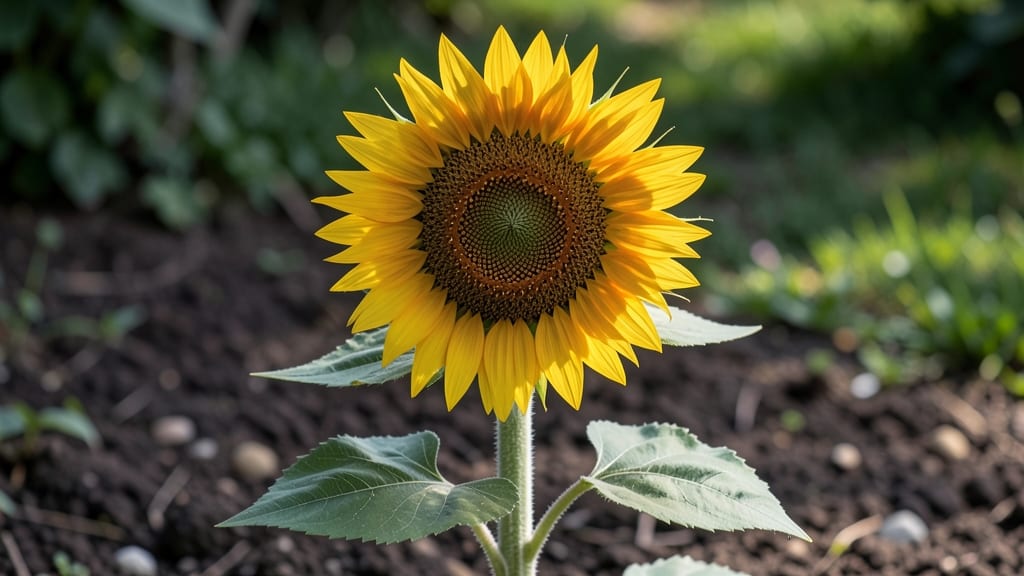
The sunflower bloom time varies dramatically—from 50 to 120 days after planting, depending on the variety and growing conditions—a range that can feel like an eternity if you’re waiting for those golden faces to turn toward the sun.
Picture this: you’ve spent weeks nurturing your 🌻 seedlings, only to watch them stretch skyward without a single bloom in sight. The frustration is real, but the good news? With the right knowledge, you can predict—and even adjust—when those cheerful flowers will finally appear.
From dwarf varieties that pop in as little as 50 days to towering giants taking up to 120 days, bloom time isn’t just about luck. Sunlight, soil, and even your planting date play a huge role in whether you’ll enjoy summer blooms or wait until fall.
In this guide, I’ll break down the exact bloom timelines for popular sunflower types, share tips to speed up flowering, and help you time your planting for the most vibrant display possible.
Sunflower bloom time by variety: fastest to slowest flowering types
If you're eager to see those golden sunflower blooms light up your garden, timing is everything. The days to bloom can vary from 50 days to over 120 days, depending on the variety.
Some sunflowers, like the Teddy Bear, bloom in as little as 55 days, while giants like Mammoth take nearly 120 days to reach their full glory. Understanding these timelines helps you plan for seasonal displays and adjust your planting schedule accordingly.
Sunflower bloom time isn't just about the variety—it's also influenced by soil temperature, sunlight exposure, and even your local climate zone. For example, planting in USDA Zone 6a (like much of the Midwest) means you'll need to account for shorter growing seasons when selecting varieties.
Dwarf varieties, like ProCut, are perfect for containers or small spaces, while giant varieties need more time and space to thrive.
Below is a detailed comparison of popular sunflower varieties, ranked from fastest to slowest bloom time. This table will help you choose the perfect sunflowers for your garden's timeline and space constraints.
| Variety | Type | Days to Bloom | Height (ft) | Best Planting Time | Ideal Use |
|---|---|---|---|---|---|
| Teddy Bear | Dwarf | 55-60 days | 2-3 ft | April-May (after frost) | Cut flowers, containers |
| ProCut | Semi-Dwarf | 60-65 days | 3-4 ft | March-June | Cut flowers, bouquets |
| Autumn Beauty | Standard | 70-80 days | 5-6 ft | April-May | Garden borders, pollinators |
| Russian Giant | Giant | 90-100 days | 10-14 ft | Early April | Statement plants, tall screens |
| Mammoth | Giant | 110-120 days | 12-15 ft | Early April | Dramatic focal points |
For gardeners in cooler climates, like USDA Zone 4, consider starting dwarf varieties indoors 4-6 weeks before the last frost. This gives them a head start and ensures they bloom earlier in the season.
Meanwhile, giant varieties like Mammoth need the entire growing season to reach their full potential, so planting them early in Zone 6a means they’ll likely bloom in late summer or early fall.
If you're aiming for a continuous bloom display, mix fast and slow varieties. Plant Teddy Bear in early spring for summer blooms, then follow with Autumn Beauty in mid-spring for fall color.
This staggered approach ensures your garden stays vibrant from July through September. Just remember, overcrowding can delay blooming, so space your plants according to their mature size.
Soil temperature plays a crucial role in sunflower germination and growth speed. Seeds won’t sprout until the soil reaches at least 55°F (13°C). If you’re in a northern climate, use black plastic mulch to warm the soil faster and kickstart growth.
In southern climates, where summers are long and hot, you can even plant a second crop
How to speed up sunflower bloom time: proven tips for faster flowers
Sunflowers are nature's cheerleaders, but even the most enthusiastic gardeners can get frustrated when those golden blooms take forever to appear. The good news? You can accelerate sunflower bloom time by tweaking just a few key factors.
From planting depth to soil warmth, small adjustments make a huge difference in how quickly your sunflowers reach their full glory.
Most sunflower varieties need 50-120 days to bloom, but with the right care, you can shave off weeks. The secret lies in optimal growing conditions—starting with soil temperature and consistent moisture. Let's dive into the proven strategies that'll have your sunflowers blooming faster than you can say "sunny day."
⚠️ Common Mistakes That Delay Blooms (And How to Fix Them)
- Over-fertilizing with nitrogen: Too much nitrogen promotes leafy growth but stops blooming. Use a balanced 10-10-10 fertilizer instead.
- Inconsistent watering: Drought stress or soggy soil both delay flowering. Aim for deep watering every 3-5 days.
- Planting too deep: Seeds need 1 inch of soil coverage max—any deeper and they'll struggle to sprout.
- Shady locations: Sunflowers need 6+ hours of direct sun daily. Move pots or thin seedlings if light is insufficient.
First, focus on soil temperature. Sunflower seeds won't germinate until the soil reaches 55°F (13°C). Use a seedling heat mat if planting early in cool climates. Once sprouted, maintain soil temps between 60-75°F (15-24°C) for fastest growth. Warmer soil = quicker root development = earlier blooms.
Next, master your watering schedule. Sunflowers hate moisture stress, but they also despise soggy roots. Water deeply every 3-5 days—aim for 1 liter per plant—and always in the morning to prevent fungal diseases. Avoid wetting the foliage, which can slow growth and delay blooming.
Light exposure is non-negotiable. Sunflowers need full sun exposure—at least 6 hours daily. If your garden gets partial shade, choose dwarf varieties like 'Teddy Bear' (they tolerate 4-6 hours of sun) or move containers to sunnier spots.
Without enough light, your sunflowers will stretch awkwardly and bloom weeks later.
Finally, resist the urge to over-fertilize. Too much nitrogen = lush leaves, but fewer flowers. Instead, use a balanced 10-10-10 fertilizer every 4-6 weeks during the growing season. For a phosphorus boost (which encourages blooming), switch to a 5-10-10 formula when buds begin forming.
With these adjustments, you'll see noticeably faster blooming. My Mammoth sunflowers typically bloom in 60 days, but last year, I cut that to 52 days by following these tips.
The key is consistency—warm soil, steady water, and plenty of sun. Your sunflowers will thank you with earlier, brighter blooms all season long. 🌻