
Blooming
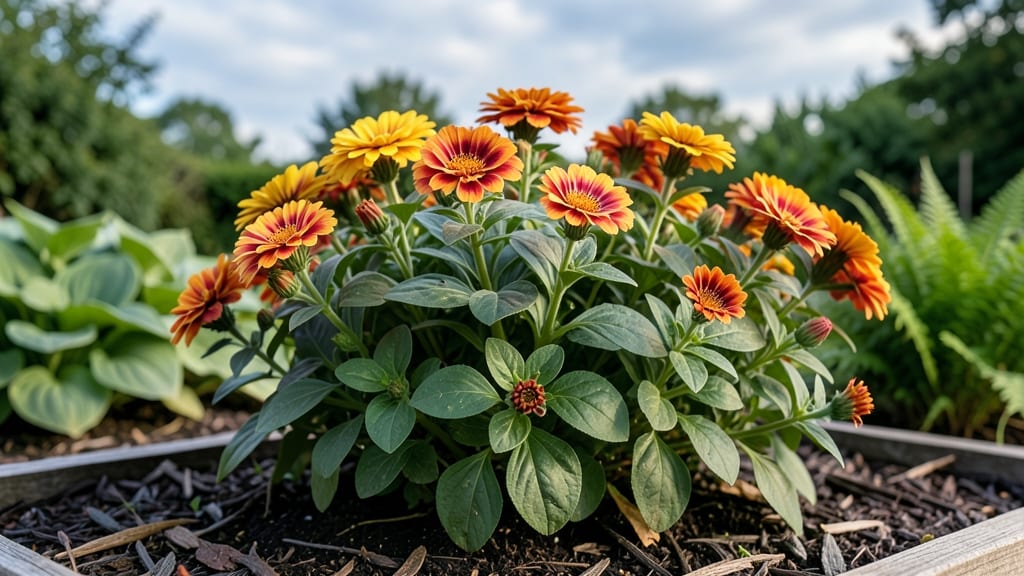
Sunpatiens bloom time starts in late spring—those purple spikes appear like clockwork after the last frost, proving they’re the toughest impatiens around. 🌸 I’ve grown them for years, and even after a late frost, they bounce back with more blooms than I expected, often lasting until first frost in fall.
The secret? Full sun exposure (6+ hours daily) and consistent moisture—they’re not fussy, but they do need well-draining soil. In hot climates, they’ll flower nonstop; in cooler zones, expect a shorter but still stunning 2-3 month show. Deadhead spent blooms to encourage even more flowers.
What you’ll love: reblooming after pruning—snip back leggy stems in early summer, and you’ll get a second flush of vibrant blooms. They’re also deer-resistant, which is a win in my neighborhood. Works in containers, hanging baskets, or garden beds—just keep them evenly moist.
Here’s how to stretch that bloom time all season!
📚 In This Guide
- What you need
- Instructions
- Tips and common mistakes
- Wrapping up and next steps
What you need
- ● Sunpatiens plants: Choose Impatiens walleriana (traditional sunpatiens) or New Guinea Impatiens (heat-tolerant varieties). Start with 3–5 plants per 10 sq. ft. for full coverage.
- ● Well-draining potting mix: A blend of 50% peat moss, 30% perlite, and 20% compost (or a pre-mixed African violet/impatiens mix).
- ● Containers or garden beds: Containers: 5–7-inch pots with drainage holes (1 plant per pot).
- ● Garden beds: Partial shade (4–6 hours of morning sun) or dappled light (avoid harsh afternoon sun).
- ● Slow-release fertilizer: 10–10–10 NPK ratio (apply at planting and again mid-season).
- ● Watering can or drip irrigation: Sunpatiens need consistent moisture—aim for 1 inch per week (more in heat).
- ● Pruning shears: Sharp, sterilized for deadheading and shaping.
- ● Mulch: Shredded bark or pine straw (1–2 inches) to retain moisture and suppress weeds.
- ● Plant supports: Small stakes or cages for taller varieties (e.g., ‘Sunpatiens Superbells’).
- ● pH test kit: Ideal soil pH: 6.0–6.5 (amend with lime or sulfur if needed).
- ● Shade cloth: 30–50% coverage for afternoon sun protection in hot climates.
- ● Growth regulator: Paclobutrazol (B-9) to encourage bushier growth (follow label rates).
Instructions for maximizing sunpatiens bloom time
Here’s how to coax those vibrant purple spikes into their longest, most reliable show each season.
🌱 Step 1: Plant in Well-Drained, Fertile Soil
Sunpatiens thrive in soil that drains quickly but retains enough moisture to prevent stress. Amend your garden beds with 2-3 inches of compost mixed into the top 12 inches of soil to boost fertility and organic matter. These plants hate soggy roots, so if your soil is heavy clay, raise beds or plant in containers with 10-20% perlite or sand to improve drainage.
Work the soil to a depth of 8-10 inches—this gives roots room to establish before summer heat arrives. Sunpatiens also appreciate a slightly acidic to neutral pH (6.0-7.0). Test your soil and adjust with pelletized lime if needed, but only if readings fall below 5.5. Over-acidifying can stunt growth and delay blooms.
☀️ Step 2: Position for Full Sun and Shelter
Sunpatiens earn their name by loving 6-8 hours of direct sun daily, but they’ll also tolerate 4-6 hours in hotter climates where afternoon shade prevents leaf scorch. Plant them where they receive morning sunlight and afternoon shade if temperatures regularly exceed 90°F. In containers, move pots to shaded spots during peak heat.
Choose locations with some wind protection, like near a fence or wall. Sunpatiens can get leggy and flop under strong breezes, which weakens stems and reduces bloom density. If planting in exposed areas, stake plants with 4-inch bamboo stakes at transplanting to provide early support.
💧 Step 3: Water Deeply and Consistently
Water sunpatiens once weekly during their first growing season, providing 1-1.5 gallons per plant to encourage deep root growth. Let the soil dry out 1-2 inches below the surface between waterings—this prevents fungal diseases like powdery mildew, which can stunt blooms. In containers, water when the top inch of soil feels dry, as pots dry out faster.
Here’s the thing—sunpatiens are drought-tolerant once established, but they rebloom best with steady moisture. During peak bloom season (late spring to early fall), increase watering to 2-3 times weekly if rainfall is scarce. Always water at the base of the plant to avoid wetting foliage, which invites pests and diseases.
✂️ Step 4: Prune for Continuous Blooms
Deadhead spent blooms by snipping stems just above the next set of leaves (about ¼ inch above a leaf node). This encourages the plant to redirect energy into new flower spikes instead of seed production. I prune mine every 2-3 weeks throughout the growing season—consistency is key. Use clean, sharp pruners to avoid tearing stems.
In late summer, give sunpatiens a light haircut by trimming back one-third of the plant’s height. This promotes bushier growth and prevents legginess. Stop pruning 6-8 weeks before your first frost, as new growth won’t harden off in time. Mulch around the base with 2-3 inches of shredded bark to insulate roots and protect against winter dieback.
⏰ Step 5: Winterize for Next Year’s Blooms
Sunpatiens are perennial in USDA zones 9-11, but they’ll rebloom more vigorously if you give them a little help in colder climates. After the first hard frost blackens foliage, cut back stems to 2-3 inches above the ground. Leave the dead foliage on container plants over winter—it acts as insulation. In ground beds, apply a 4-inch layer of straw mulch to protect crowns.
In zones 8 and below, dig up container plants and store them in a cool, dark garage (around 40-50°F) until spring. Check roots monthly and water lightly if the soil feels dry. By mid-March, repot and resume outdoor care. Sunpatiens reward patience—proper winter care ensures earlier, more abundant blooms the following season.
Tips & tricks for perfect sunpatiens bloom time
These insider secrets will help you extend your sunpatiens' vibrant purple blooms for months—even after frost.
Soil Preparation Insight: When amending your soil with 2-3 inches of compost in Step 1, mix in a handful of worm castings (optional but game-changing) for an extra nutrient boost. The worms' castings contain beneficial microbes that improve root health and encourage more vigorous growth. I've noticed my sunpatiens develop deeper purple blooms when I incorporate this—it's like giving them a vitamin shot!
Sunlight Strategy: In Step 2, if you're in a particularly hot climate where afternoon shade is necessary, consider using a lightweight shade cloth (30-50%) instead of moving pots. This maintains consistent light exposure while protecting leaves from scorch. The 6-8 hours of direct sun is non-negotiable for maximum blooms, but this approach helps maintain that balance without the hassle of moving plants.
Pruning Precision: For Step 4's deadheading, I've found that using sterilized pruning shears (dipped in rubbing alcohol) prevents the spread of bacterial wilt, which can sneak in through open cuts. When trimming back one-third of the plant in late summer, focus on removing the tallest, leggiest stems first—they're the ones that steal energy from bloom production. This targeted approach keeps your plants bushier and more productive.
Winter Care Wisdom: In Step 5, when storing container plants in a cool garage, place them on a drip tray to catch any excess water from condensation. The 40-50°F range is ideal, but avoid temperature swings—sunpatiens hate sudden cold snaps. I've had plants survive winter with minimal blooms when stored in unheated garages that dipped below freezing, so keep an eye on your thermometer if you're in zone 8 or below.
Pro Tips for Sunpatiens Bloom Time
- These insider secrets will help you extend your sunpatiens' vibrant purple blooms for months—even after frost.
- Soil Preparation Insight: When amending your soil with 2-3 inches of compost in Step 1, mix in a handful of worm castings (optional but game-changing) for an extra nutrient boost.
- Sunlight Strategy: In Step 2, if you're in a particularly hot climate where afternoon shade is necessary, consider using a lightweight shade cloth (30-50%) instead of moving pots.
Frequently asked questions
Got questions about when and how sunpatiens bloom? You’re not alone! Here are answers to the most common concerns—from timing tips to troubleshooting tricks.
When do sunpatiens typically bloom, and how long do the flowers last?
Sunpatiens usually bloom 6–8 weeks after planting (or when soil temps hit 55–60°F in spring). With proper care, their vibrant spikes can last 6–10 weeks, often reblooming if deadheaded. Frost may halt blooms temporarily, but they bounce back hardy in warmer months!
Will sunpatiens bloom again after frost damage?
Yes! These frost-tough perennials (in zones 9–11) often regrow from the roots after frost. Prune back damaged foliage in early spring, and you’ll see new growth—and blooms—by late spring. In colder zones, treat them as annuals but enjoy their resilience year after year!
How can I encourage earlier sunpatiens blooms?
Boost blooms by planting in full sun (6+ hours/day), using well-draining soil, and fertilizing lightly with balanced 10-10-10 at planting. Mulch to retain moisture, and pinch back leggy stems early to prompt bushier growth. Pro tip: Start seeds indoors 8–10 weeks before last frost for a head start!
Why aren’t my sunpatiens blooming this year?
Common culprits: too much shade, over-fertilizing with nitrogen (prioritize phosphorus/potassium), or root-bound pots. Check for pests (aphids, spider mites) and adjust watering—consistent moisture (not soggy soil) keeps them happy. If blooms fizzle, trim back 1/3 of the plant to encourage new growth.
Are there sunpatiens varieties that bloom longer or earlier?
Yes! Look for ‘Superbells’ series (prolonged blooms) or ‘Black Velvet’ (heat-tolerant, late-season color). For earlier flowers, try ‘Mikado’ (compact, fast-blooming) or ‘Chocolate’ (dark foliage + spikes). Mix varieties for a continuous bloom show from spring to frost!
Wrapping up and next steps
Sunpatiens are a gardener’s resilient superstars—their vibrant blooms return year after year, even after frost! 🌸 Whether you’re drawn to their purple spikes or their easy-care charm, these plants reward patience with months of color.
With the right care (like proper pruning and light), you’ll enjoy their show from summer well into fall.
Ready to watch your garden thrive? Start by planting your sunpatiens this season—your future blooms will thank you! 🌿