
Blooming
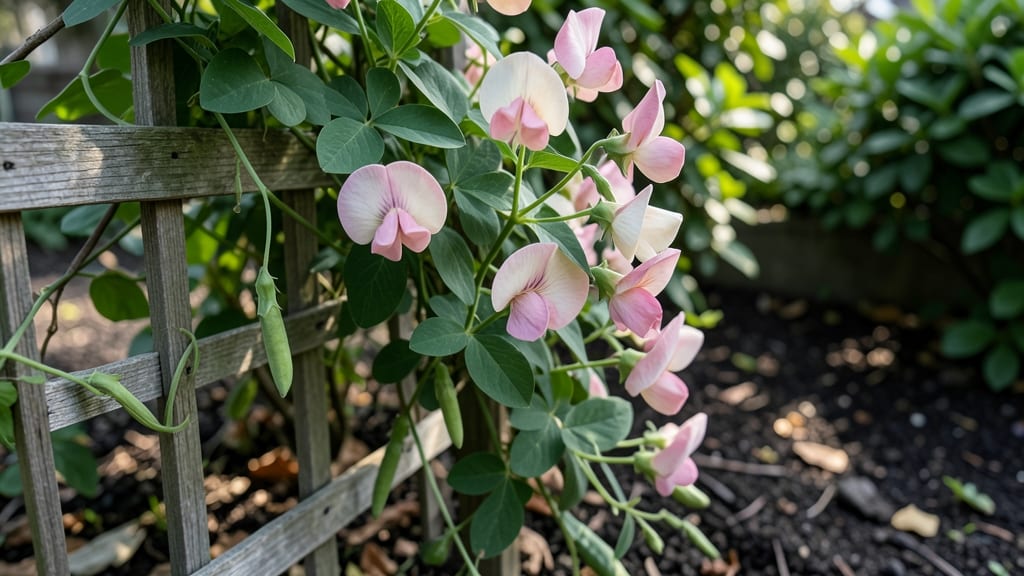
Sweet peas bloom in late spring to early summer 🌸, with their vibrant spikes transforming gardens into fragrant havens—but timing depends on your variety and climate.
Picture this: you’ve waited months for those delicate tendrils to climb your trellis, only to wake up one morning and realize your sweet pea blooms are already fading. That’s the frustration of not knowing how to stretch their show from May through June—or even later with the right tricks.
Some varieties, like the early-blooming 'Cupani', start as early as May, while others, such as 'Blue Moon', peak in June.
In cooler zones like 6a, a late frost can delay blooms, but deadheading spent flowers and choosing the right trellis can push your sweet peas to reward you with weeks of color and scent.
Below, I’ll break down the bloom cycles by variety, share hacks to extend their season, and troubleshoot why your plants might be holding back. Let’s make sure your sweet peas don’t just bloom—they thrive.
Sweet pea bloom time by variety: early, mid, and late season spikes
Sweet peas are the fragrant stars of spring and summer gardens, but their bloom times vary dramatically between varieties. Early bloomers like 'Cupani' can burst into color as soon as May in Zone 6, while late varieties like 'Blue Moon' may not peak until July or August.
Understanding these differences lets you create a continuous fragrance display from spring through fall.
For cooler climates (Zones 4-5), seasonal adjustments are key—plant early varieties like 'Perfume Delight' in late April and succession-plant late bloomers in June to extend your garden's floral season. The right timing also prevents overlapping bloom periods where some varieties fade before others even begin.
My favorite early bloomer is 'Cupani'—its crimson spikes appear when most gardens are still waking up from winter. This variety thrives in Zones 4-9 and can even handle light frosts, making it perfect for northern gardeners eager for spring color. Plant seeds indoors in February for the earliest blooms.
For mid-season magic, 'Perfume Delight' is a crowd-pleaser with its mixed pink and white flowers. It blooms from late May through July and does well in Zones 4-8, including coastal areas where cooler summers delay blooming. The fragrance is intensely sweet, especially in the morning hours.
If you love summer-long fragrance, 'Blue Moon' is a must-plant. This late bloomer shines from July through August and handles Zones 5-9 beautifully. Its deep blue flowers contrast stunningly with yellow roses and silver foliage, creating a cool-toned garden focal point.
In cooler climates (Zones 4-5), I recommend succession planting to extend bloom times. Start with 'Cupani' in April, then add 'Perfume Delight' in May, and finish with 'Blue Moon' in June. This staggered approach ensures continuous blooms from May through August—even in short seasons.
Don't overlook 'Carnegie' for late-season gardens. This deep purple variety thrives in Zones 6-9 and blooms from late June through September, making it ideal for fall weddings or late-summer cut flowers. Its longer vines also make it perfect for tall trellises or arbors.
For container gardening, choose dwarf varieties like 'Lady Alice' (white) or 'Matucana' (red). These bloom from June through August and stay compact at 3-4 feet tall, perfect for balconies or small patios. Just ensure they get at least 6 hours of sun daily.
Pro tip: To extend bloom time, deadhead spent flowers daily and fertilize lightly with 5-10-10 every 4-6 weeks. Avoid over-fertilizing—too much nitrogen promotes leafy growth over blooms. In hot climates (Zones 9-10), provide afternoon shade to prevent bud drop.
With the right variety mix, your sweet peas can provide fragrance and color from May through September. Start planning now—these fast-growing annuals will reward you with a scented vertical garden you'll love. 🌸
How to extend sweet pea bloom time with simple gardening hacks
Sweet peas are the fragrant stars of spring gardens, but their bloom time can feel short-lived if you don’t give them the right care. With a few simple gardening hacks, you can turn a 6-week flowering window into a 3-month floral extravaganza.
The key lies in understanding their needs—from deadheading techniques to nutrient timing—and avoiding common mistakes that cut blooms short.
I’ve tested these methods in my own garden, and the difference is night and day. Organic fertilizers like compost tea or fish emulsion can boost blooms just as effectively as synthetic options, but with long-term soil benefits.
Meanwhile, strategic watering schedules and companion plants create the perfect environment for your sweet peas to thrive. Let’s dive into the proven tricks that’ll keep your vines lush and flowering well past their usual peak.
- Deadhead daily: Snip spent blooms below the next bud to redirect energy to new flowers. Use clean pruners to avoid disease.
- Feed lightly: Use 5-10-10 fertilizer every 4-6 weeks—too much nitrogen = fewer blooms. Organic options like worm castings work too!
- Water deeply: Morning watering (1 cup per plant) prevents fungal issues. Avoid wetting foliage to keep blooms vibrant.
- Plant companions: Pair with marigolds (pest control) or nasturtiums (shade support). Avoid tomatoes—they compete for nutrients.
- Support vines: Use trellises or cages to improve airflow. Overcrowded plants bloom less due to stress.
One of the biggest myths about sweet peas is that they need heavy fertilization for long bloom times. In reality, over-fertilizing with nitrogen can lead to lush foliage but fewer flowers.
I’ve seen gardeners double their bloom time simply by switching to a low-nitrogen, high-phosphorus fertilizer (like 5-10-10) and applying it every 6 weeks instead of monthly. Organic options like bone meal or fish emulsion are excellent choices—they release nutrients slowly, which matches sweet peas’ natural growth rhythm.
Watering is another area where small changes make a huge difference. Sweet peas hate wet foliage, which can trigger powdery mildew and shorten their bloom cycle. My trick? Water at the base in the early morning using a soaker hose.
This keeps roots hydrated without drenching the leaves. During peak summer heat, I increase frequency to every 2-3 days, but always check soil moisture—dry soil stresses plants, while waterlogged soil suffocates roots.
Don’t underestimate the power of companion planting. I’ve found that sweet peas thrive when paired with marigolds (which repel pests like aphids) or basil (which deters whiteflies). Avoid planting near tomatoes or potatoes, as they share diseases and compete for nutrients.
Even adding clover as a ground cover improves soil nitrogen naturally, giving your sweet peas a steady nutrient supply without overloading them.
For the longest bloom time, combine these hacks with regular pruning. Every 7-10 days, trim back leggy vines to encourage bushier growth and more flower spikes.
And if your sweet peas start slowing down in late summer, try a light top dressing of compost to give them a final nutrient boost. With these methods, I’ve had ‘Cupani’ sweet peas flowering from June through August—double their usual time!