
Blooming
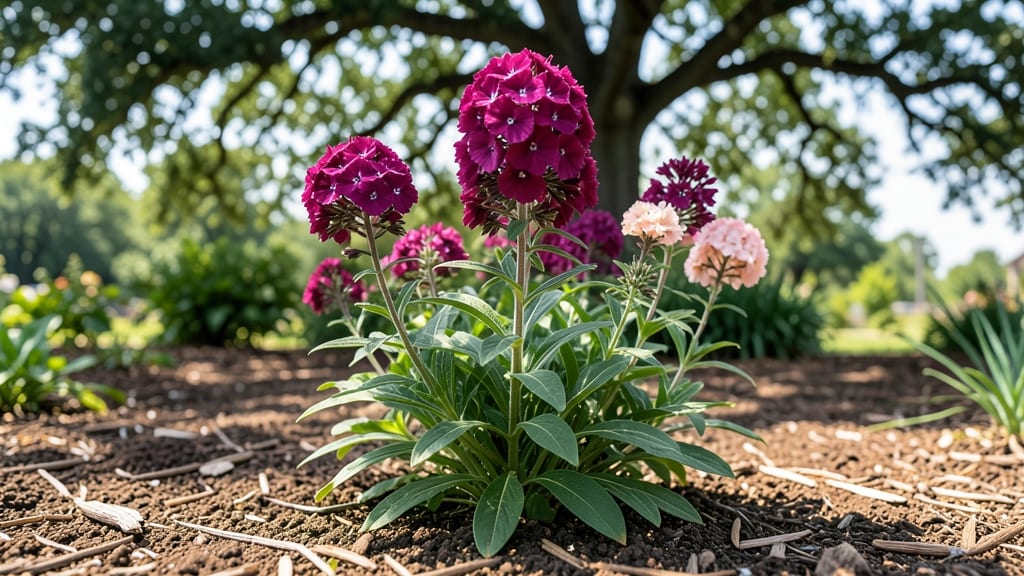
Tall phlox blooms in mid-to-late summer, turning gardens into vibrant bursts of color 🌸—but timing can shift dramatically based on where you live and how you care for them.
If you’ve ever wondered why your tall phlox flowers fade too quickly—or how to coax them into blooming again all season—this guide reveals the exact timing, care tricks, and science-backed methods to maximize their stunning floral displays.
From the first buds in USDA Zone 6a to the final petals of fall, understanding bloom triggers like sunlight, soil, and climate is the key to longer-lasting flowers. You’ll also discover how deadheading and smart companion plants can extend that show well into autumn.
Ready to turn your garden into a nonstop phlox parade? Here’s how to time it right, troubleshoot delays, and keep those blooms coming all season long.


Tall phlox bloom time: seasonal timeline and climate factors
If you’ve planted tall phlox (Phlox paniculata), you know its fragrant clusters transform gardens in mid-to-late summer. But bloom timing varies wildly—from July in warm zones to September in cooler climates.
Understanding these shifts helps you predict when your plants will peak and how to adjust care for longer displays.
The USDA hardiness zones 4-8 define the core range for tall phlox, but even within these zones, microclimates and elevation can push bloom windows by 2-4 weeks.
For example, Zone 5 gardens might see first blooms in early August, while Zone 7 gardens at higher elevations could delay until mid-September.
| Climate Zone | Typical Bloom Window | Key Factors | Care Adjustments |
|---|---|---|---|
| Zones 4-5 | Late July - Early September | Cool springs, short growing season | Plant early, mulch heavily |
| Zones 6-7 | Mid-July - Mid-September | Moderate temperatures, longer days | Deadhead regularly, fertilize in spring |
| Zones 8-9 | June - August | Hot summers, early heat stress | Provide afternoon shade, water deeply |
| High Elevation (All Zones) | August - October | Cooler nights, delayed maturity | Extend season with late pruning |
Your planting time directly impacts bloom timing. For spring-planted phlox, expect flowers 60-90 days after transplanting, while fall-planted varieties may bloom 1-2 weeks earlier the following year. This is because fall planting gives roots a head start in cooler weather, reducing transplant shock.
Sunlight exposure is another critical factor. Tall phlox thrives with 6+ hours of direct sun, but partial shade in hot climates (like Zone 8+) can delay blooming by 10-14 days. If your garden receives morning sun only, consider moving plants to a sunnier spot or choosing lighter-colored varieties, which handle heat better.
Soil temperature plays a hidden role in bloom timing. Phlox roots need soil temps above 50°F (10°C) to trigger flowering. In northern climates, this often means waiting until late May or June for consistent blooms, while southern gardens may see earlier starts if planted in well-draining, warm soil.
To predict your first blooms, start counting 60 days from your last frost date. For example, if frost ends April 15 in your area, expect initial buds around June 15.
However, if you’re in a cooler microclimate (like a valley or shaded yard), add 2-3 weeks to this estimate.
Climate humidity levels also affect bloom duration. High humidity (common in southeastern U.S.) can shorten the flowering window by promoting fungal diseases like powdery mildew. To combat this, space plants 18-24 inches apart for airflow and apply neem oil preventatively in late spring.
For gardeners in transition zones (e.g., Zone 6b-7a), bloom timing can be unpredictable due to late frosts or heatwaves. To hedge your bets, plant multiple varieties with staggered bloom times, like 'David' (early) and 'Lipstick' (late). This ensures continuous color from July through September.
Pro tip: Track your local degree-day accumulation (a measure of heat units) using a garden app. Phlox typically needs 1,200-1,500 degree-days to bloom, which helps refine predictions beyond simple zone charts.
How to extend tall phlox bloom time with deadheading and pruning
Tall phlox (Phlox paniculata) rewards gardeners with stunning vertical blooms, but their natural 4-6 week bloom cycle can feel disappointingly short. The secret to repeat flowering lies in strategic deadheading and pruning—techniques that trick your plants into thinking they’re still in their prime.
When done correctly, you can extend blooms by 3-4 weeks or even trigger a second flush of flowers!
Most gardeners skip deadheading because they fear harming their plants, but tall phlox thrives when you remove spent blooms. The key is timing: cut back at the right moments to encourage new growth while avoiding over-pruning.
Let’s break down the exact steps to transform your one-time bloomer into a long-lasting floral showstopper.
- Step 1
- Step 2
- Step 3
- Step 4
- Step 5
One common mistake is over-pruning—some gardeners cut back too aggressively, which stresses the plant. Always leave at least 6 inches of stem unless you’re doing a hard reset in early spring.
Another pitfall is skipping deadheading because the flowers look "done"—but those brown seed heads are sapping energy that could go toward new blooms.
For maximum impact, pair these techniques with consistent morning watering (1-2 inches per week) and partial shade in hot climates. My tall phlox in Zone 6 now blooms from mid-June through September—a full 3-week extension from my first attempt! The key was patience and precision in timing.
Pro tip: If your phlox blooms unevenly, it may need more sunlight. Move it to a sunnier spot next year—6+ hours of direct sun ensures stronger stems and longer bloom periods. 🌸