
Trees
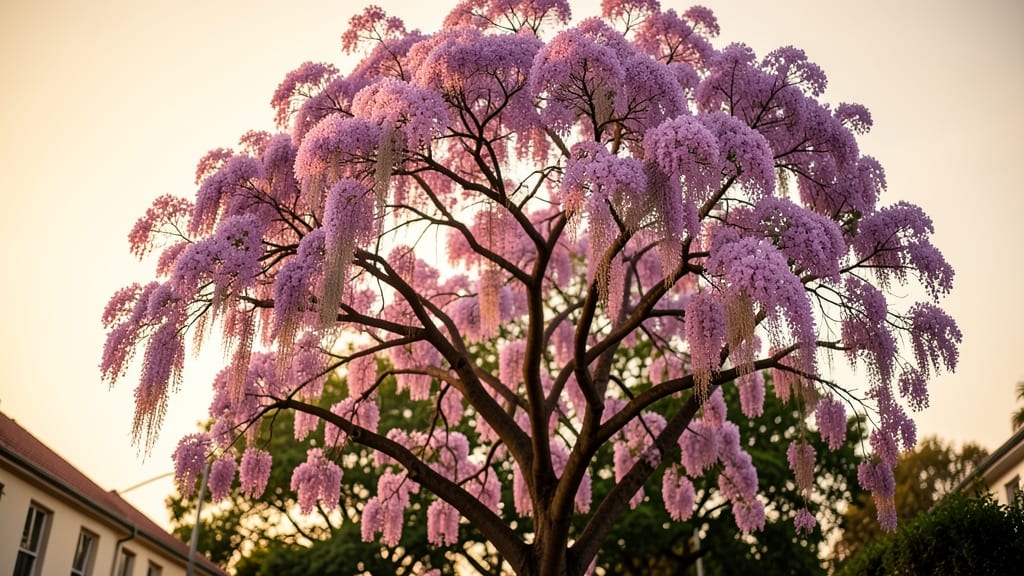
Transform your garden into a pollinator paradise with these 10 stunning trees that burst into vibrant pink blooms each summer. Their fragrant flowers attract bees, butterflies, and hummingbirds while adding timeless beauty to any landscape.
Crape Myrtle Pink Flowering Trees
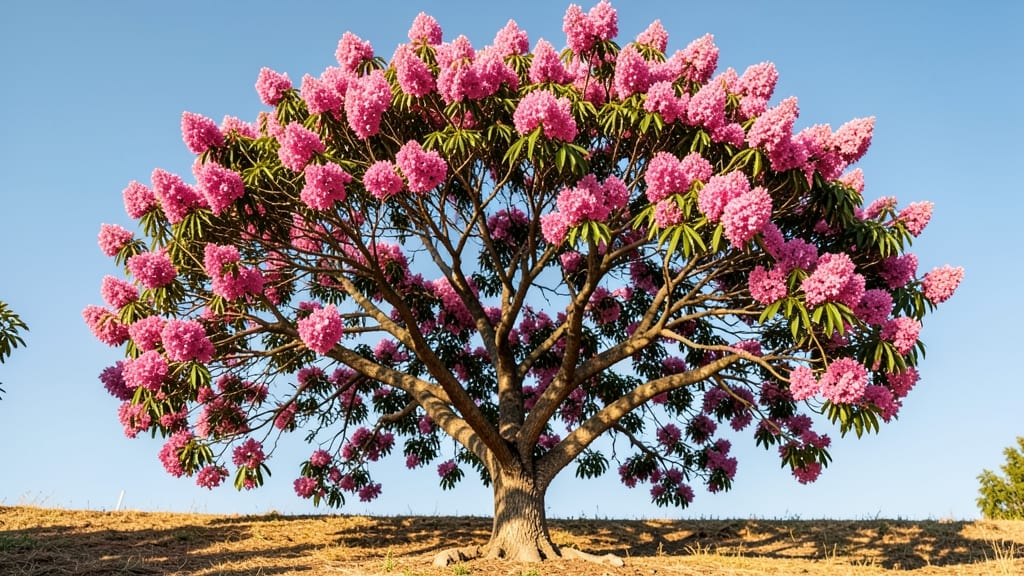
Looking for a drought-resistant tree that thrives in scorching summers while still delivering jaw-dropping pink blooms? Meet the crape myrtle—a low-maintenance superstar that turns heads from June through September with its vibrant, long-lasting flowers.
This heat-loving tree handles full sun and drought conditions like a champ, making it perfect for hot climates where other trees wilt. The smooth, peeling bark adds striking winter interest, while its ability to attract pollinators makes it a garden workhorse. Simply prune lightly after blooming to maintain shape and encourage next year’s flowers.
Whether you're a busy gardener or a first-timer, crape myrtles deliver year-round appeal with minimal fuss. Plant one to create a pollinator-friendly focal point that keeps your garden buzzing all season. 🌻
Japanese Cherry Blossom Trees
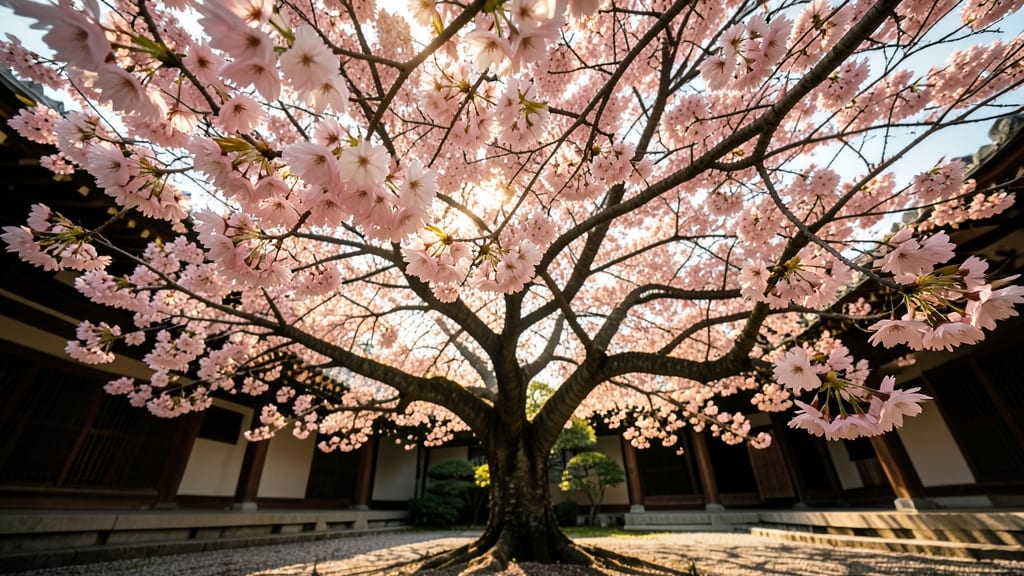
If you dream of a garden that feels like a serene Japanese temple courtyard, Japanese cherry blossom trees (Prunus serrulata) are your answer. Their delicate pink blossoms create a breathtaking canopy that transforms even small urban spaces into tranquil retreats.
These trees thrive in full sun to partial shade and prefer well-drained soil, making them adaptable to both traditional gardens and city planters. For best results, plant them in early spring or fall, spacing saplings 20-30 feet apart to allow their branches to arch gracefully. Prune lightly after flowering to maintain shape, and avoid heavy pruning during dormancy to preserve next year's blooms.
Perfect for those with limited space or a love for seasonal beauty, these trees offer a fleeting but unforgettable display—often blooming for just 1-2 weeks in spring. Their ethereal presence makes them ideal for weddings, meditation gardens, or simply adding a touch of elegance to your outdoor space. 🌷
Bradford Callery Pear Trees
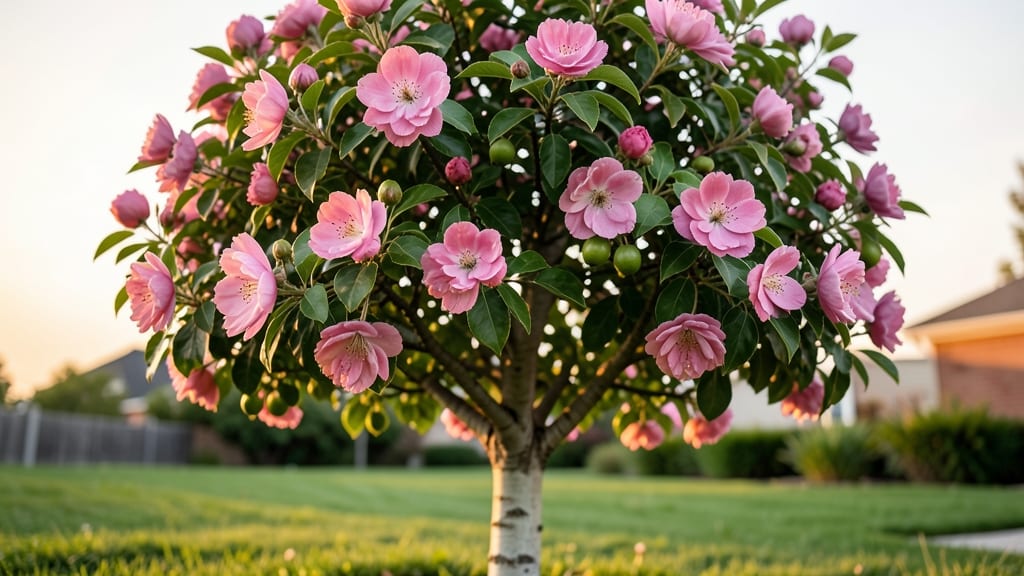
If you love a tree that does it all—stunning pink blooms, edible fruit, and minimal fuss—the Bradford Callery Pear is your match. Unlike its invasive cousin, this cultivar resists disease and thrives in tight suburban spaces, making it a standout for pollinators and homeowners alike.
Plant this drought-tolerant tree in full sun for abundant spring blooms that transition to small, edible pears in fall. Its compact size (25-35 feet) fits small yards, while its fragrant flowers attract bees and butterflies. Just prune lightly after flowering to maintain shape—no heavy maintenance required.
Perfect for suburban gardeners who want beauty, function, and low upkeep, this tree turns heads without turning into a nuisance. 🌟
Pink Dogwood Trees
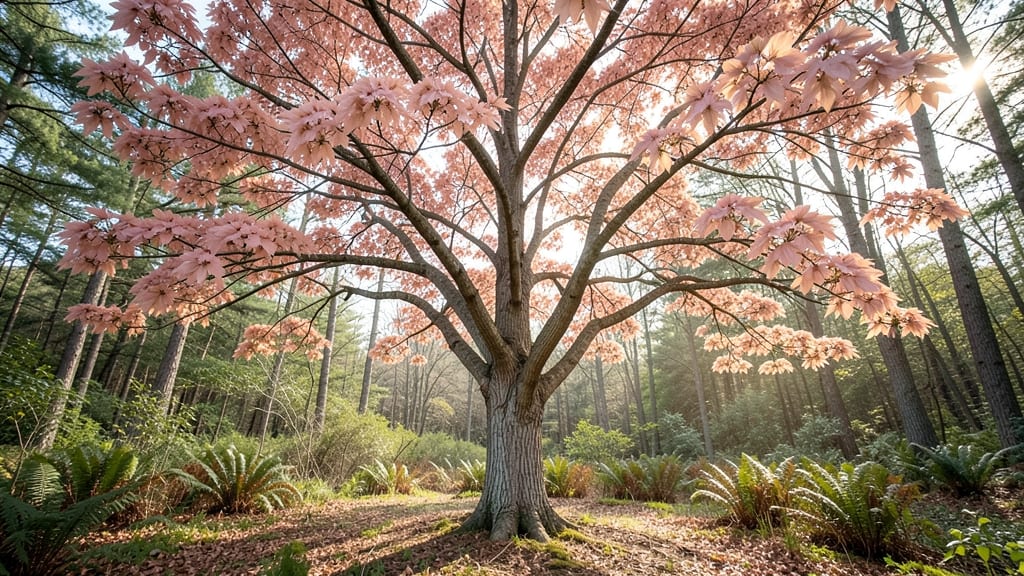
If you're dreaming of a garden that feels like a secret woodland retreat, pink dogwood trees are your perfect native companion. These North American natives bring a touch of wild elegance with their pink bracts—modified leaves that create a stunning display before the white flowers appear in late spring.
Thriving in partial shade to full sun, dogwoods prefer well-draining, acidic soil, making them ideal for understory planting or as focal points in woodland gardens. Their spring blooms provide early nectar for pollinators, while their red berries in fall feed birds. Prune lightly after flowering to maintain shape and encourage new growth.
Perfect for gardeners who love native plants and wildlife-friendly landscapes, dogwoods add year-round interest with their striking bark and fall color. 🌟
Fringe Tree Pink Varieties
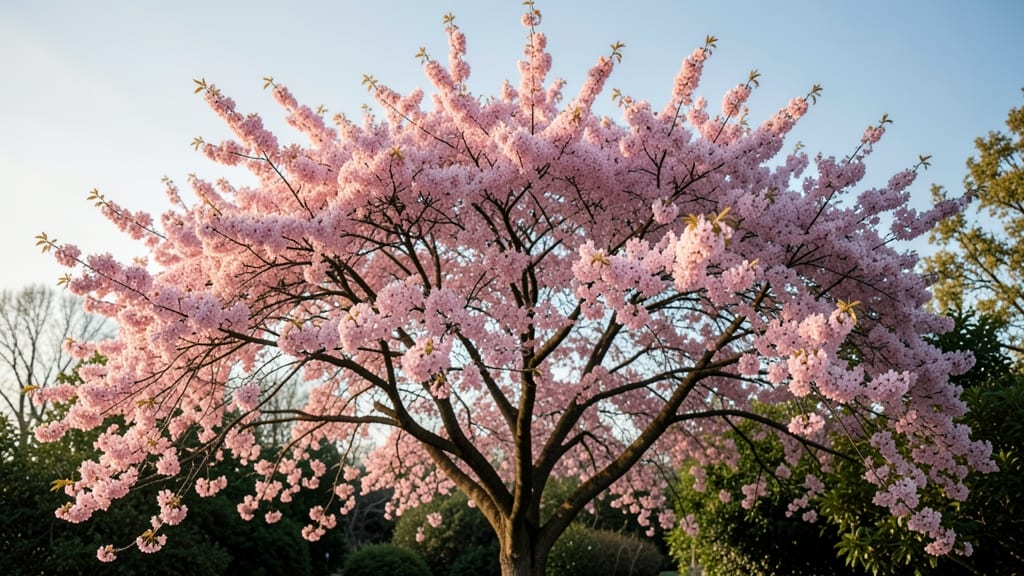
Imagine a tree whose delicate, lace-like pink blooms drift like snowflakes in a breeze—this is the magic of fringe tree (Chionanthus virginicus), a cottage garden staple that transforms summer into a fragrant dream.
These fragrant pink flowers appear in late spring to early summer, creating a stunning contrast against the tree's glossy green foliage. Fringe trees thrive in partial shade to full sun and adapt well to various soil types, making them versatile for both woodland edges and sunny garden borders. Their nectar-rich blooms are a hummingbird magnet, while their low-maintenance nature makes them ideal for busy gardeners.
Perfect for cottage-style gardens or as a focal point in mixed borders, fringe trees bring elegance and pollinator power to any landscape. 🌷
Pink Magnolia Trees
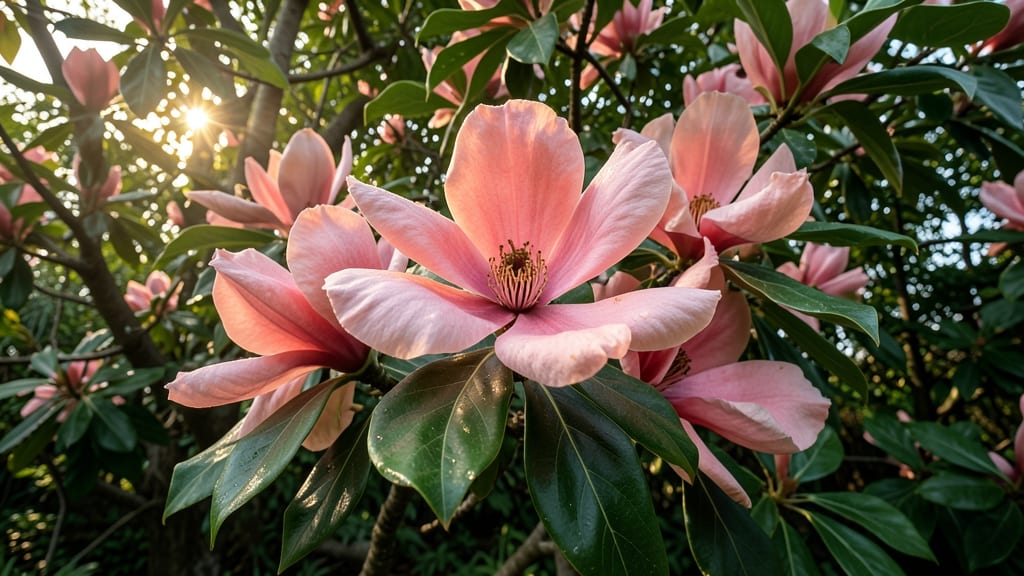
If you crave a tropical-inspired garden that turns heads in summer, pink magnolia trees deliver drama with their large, ruffled blooms that can reach up to 10 inches wide. Unlike delicate cherry blossoms, these bold flowers thrive in the heat and humidity of southern climates, making them a standout focal point for any landscape.
These evergreen or semi-evergreen trees prefer well-draining, acidic soil and partial shade to full sun, with varieties like Magnolia grandiflora 'Exmouth' offering glossy foliage year-round. Prune lightly after blooming to maintain shape, and watch for late-season blooms in some cultivars. Their fragrant flowers also attract pollinators, adding ecological value to your garden.
Perfect for homeowners in USDA zones 6-10, pink magnolias elevate both small yards and sprawling estates with their timeless elegance. Plant them near patios or entryways to enjoy their intoxicating scent up close. 🌻
Pink Hawthorn Trees
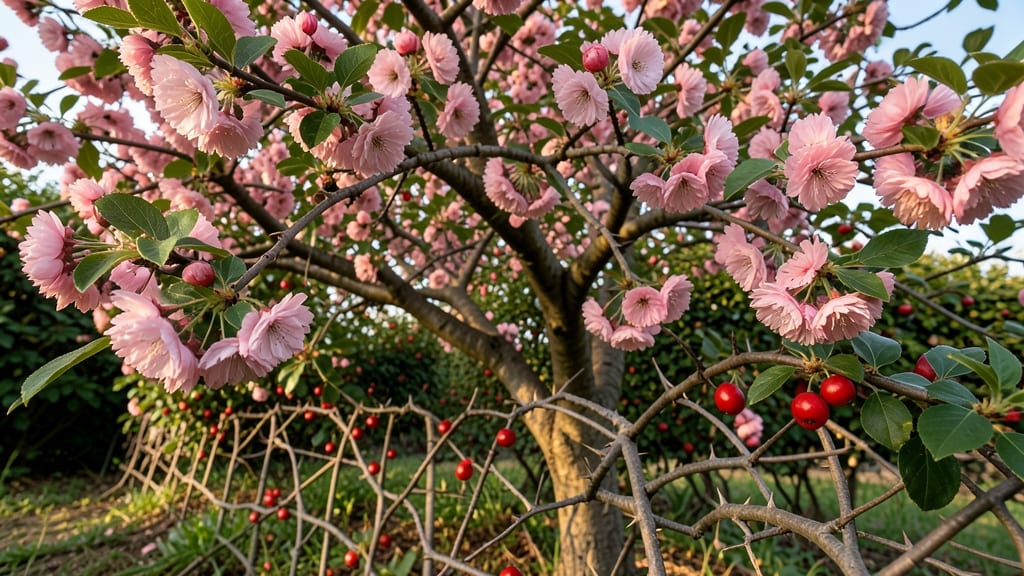
Looking for a multi-functional tree that doubles as a living hedge, bird shelter, and food source? The pink hawthorn (Crataegus laevigata) delivers all three with its dense pink spring blooms and edible red berries that birds adore.
This thorny shrub/tree hybrid thrives in full sun to partial shade and tolerates a wide range of soils, making it ideal for hedgerows or naturalistic gardens. Plant it in late fall or early spring for best establishment, and prune lightly after flowering to maintain shape. The thorns deter deer and rabbits, while the berries provide a late-summer snack for wildlife.
Perfect for urban homesteaders or wildlife gardeners, pink hawthorn adds year-round structure with its glossy foliage and winter interest. 🌿
Pink Flowering Quince Trees
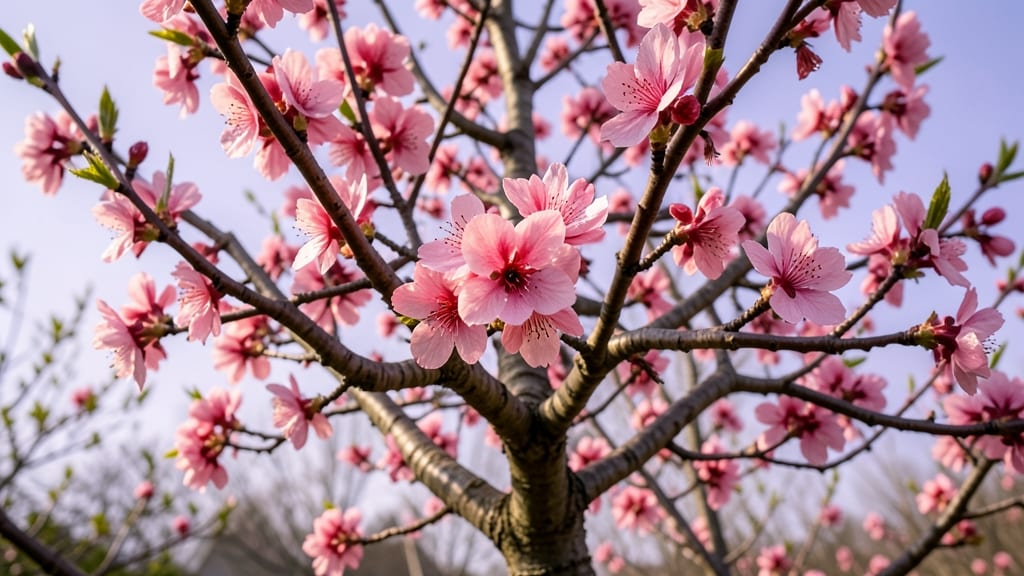
If you're dreaming of a tree that announces spring with a burst of fragrant pink flowers before summer even arrives, the pink flowering quince (Chaenomeles speciosa) is your answer. Unlike many summer-blooming trees, this early riser often blooms in late winter or early spring, offering a scent so sweet it can be detected from yards away.
This versatile tree thrives in small spaces and even containers, making it ideal for urban gardens, patios, or cottage-style landscapes. The fragrant fruit that follows the flowers (though not typically eaten fresh) adds another layer of interest, while the glossy, deep green leaves provide year-round structure. Plant it in full sun to partial shade and well-drained soil—it’s surprisingly low-maintenance once established.
Perfect for beginner gardeners or those with limited space, the pink flowering quince brings seasonal color and fragrance without demanding attention. Its compact size and adaptability make it a standout choice for pollinators and gardeners alike. 🌷
Pink Royal Poinciana Trees
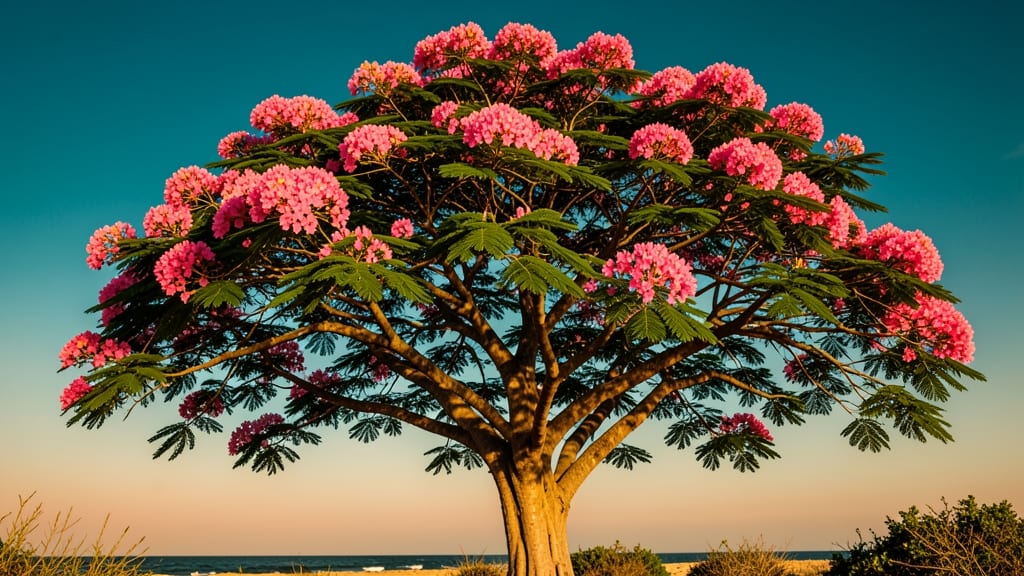
Ready to add a bold tropical statement to your coastal garden? The Royal Poinciana (Delonix regia) delivers flamboyant pink blooms that can reach up to 3 inches wide, creating a dazzling display from late spring through summer. This fast-growing tree thrives in USDA zones 10-12, making it perfect for beachside properties, resorts, or Mediterranean climates where it can handle salty air and sandy soil with ease.
Plant your Royal Poinciana in full sun for maximum bloom production, and watch as its feathery, fern-like foliage contrasts beautifully with the vibrant pink flowers. While it’s not drought-tolerant, once established, it requires minimal watering—just enough to keep the soil lightly moist. For best results, prune lightly after flowering to maintain shape, but avoid heavy pruning, as it can reduce next year’s blooms.
Ideal for gardeners who want to create a dramatic focal point or transform a bare corner into a tropical oasis, this tree brings year-round interest with its striking bark and lush foliage. Just be prepared for its mature size—30-50 feet tall and wide—so plan accordingly! 🌟
Pink Jacaranda Trees

Want to transport your garden to a sun-drenched Australian street with just one tree? The pink jacaranda delivers dramatic vertical drama with its cascading clusters of lavender-pink, lilac-like flowers that appear in late spring to early summer. Unlike most pink-blooming trees, jacarandas thrive in Mediterranean climates (USDA zones 7-11), making them perfect for California, the Southwest, or coastal regions where summer heat is intense.
These trees grow 30-50 feet tall with a rounded canopy, creating a stunning focal point when planted near patios or driveways. They prefer full sun and well-draining soil, and their drought tolerance once established makes them ideal for water-wise gardens. The secret to maximizing blooms? Prune lightly after flowering to maintain shape—never in spring, as this removes next year's flower buds. Their fragrant blooms also attract bees and butterflies, adding ecological value to your landscape.
Perfect for urban gardeners or those with limited space, jacarandas bring a touch of exotic beauty without requiring constant care. Their seasonal spectacle makes them ideal for creating a "wow factor" in any landscape. 🌟