
Blooming
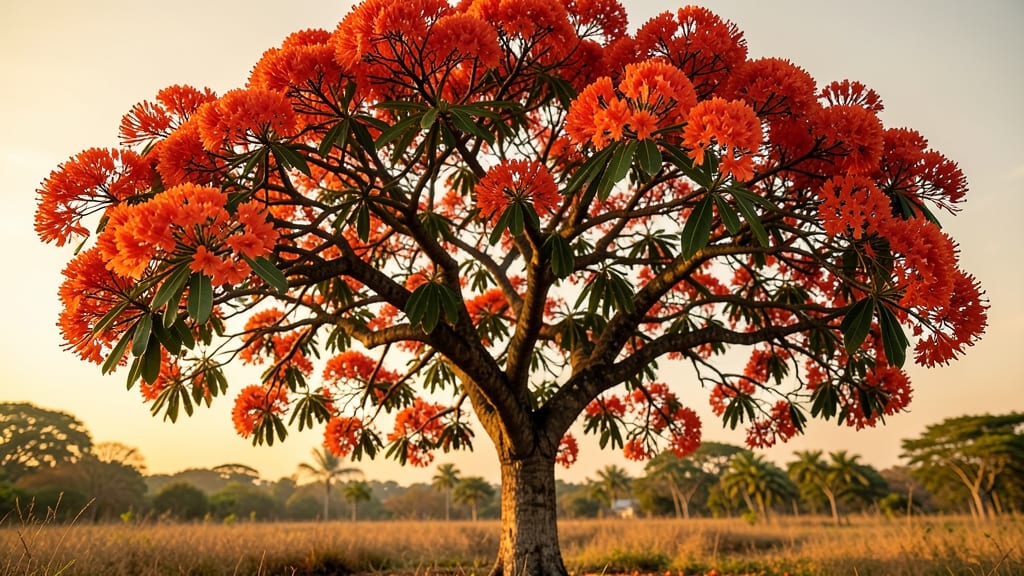
Transform your garden into a vibrant pollinator paradise with these 10 stunning trees that bloom red flowers. From early spring blooms to late-season color, these species attract bees, butterflies, and hummingbirds while adding lasting beauty to your landscape.
Crabapple Trees for Early Spring Color
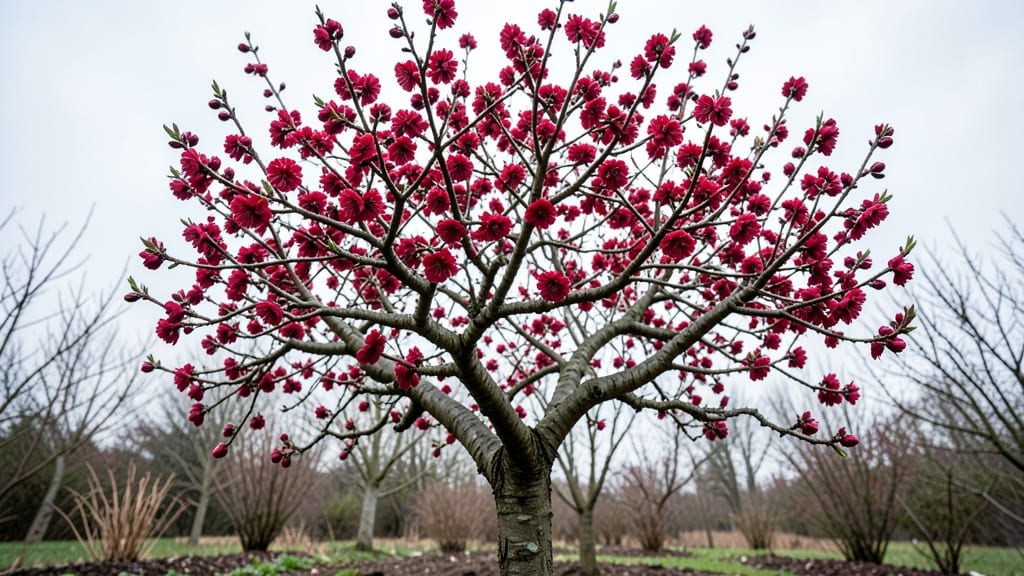
When your garden still looks bare in late winter, crabapple trees burst into life with fragrant red blossoms that signal spring’s arrival. These compact trees thrive in small spaces, making them perfect for urban yards or suburban borders where larger trees won’t fit.
Most varieties bloom in March or April, often before leaves emerge, creating a stunning contrast against bare branches. Their pollinator-friendly flowers provide early-season nectar for bees and butterflies when food is scarce. Choose dwarf varieties like ‘Sargent’ or ‘Centennial’ for containers, or larger types like ‘Adirondack’ for focal points. Plant in full sun for best flowering, and prune lightly after blooming to maintain shape.
Perfect for gardeners who want instant spring color with minimal effort, crabapples also offer year-round interest with their glossy foliage and persistent fruit (which birds adore). 🌟
Japanese Maple with Coral Bark Flowers
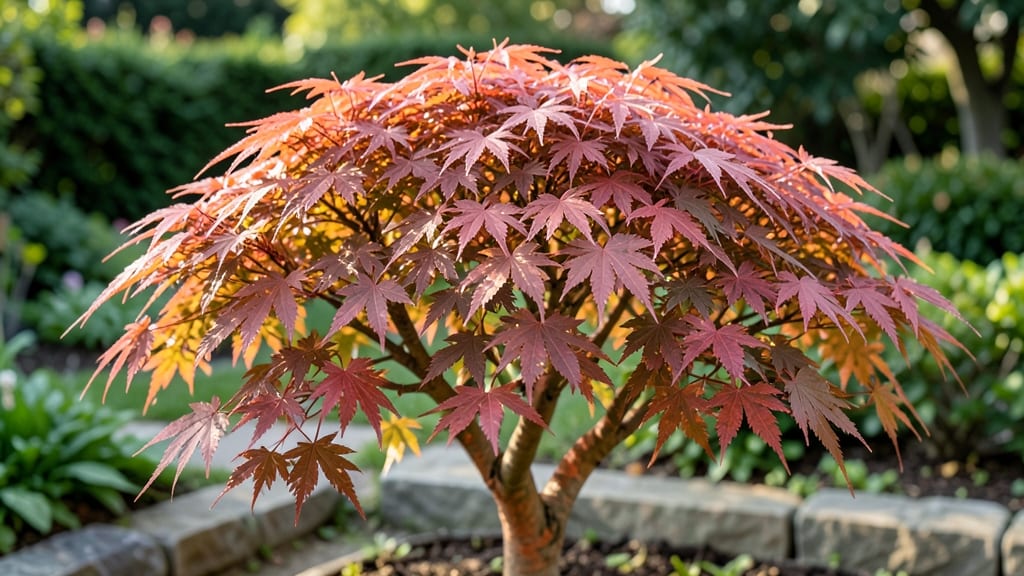
Want a tree that delivers year-round interest without taking over your space? The dwarf Japanese maple (Acer palmatum 'Bloodgood' or 'Coral Bark') is your answer—packing coral-red spring flowers, fiery autumn foliage, and compact growth perfect for containers or borders.
This dwarf variety thrives in partial shade (3-6 hours of sun) and reaches just 6-10 feet tall, making it ideal for patios or small gardens. Its autumn leaves turn brilliant red-orange, while the unique coral bark adds winter texture. For best results, plant in well-draining soil and water consistently during the first year to establish roots.
Perfect for urban gardeners or those with limited space, this tree offers seasonal color with minimal maintenance. Pair it with hostas or ferns for a lush, layered look. 🌟
Redbud Trees for Dramatic Spring Canopy
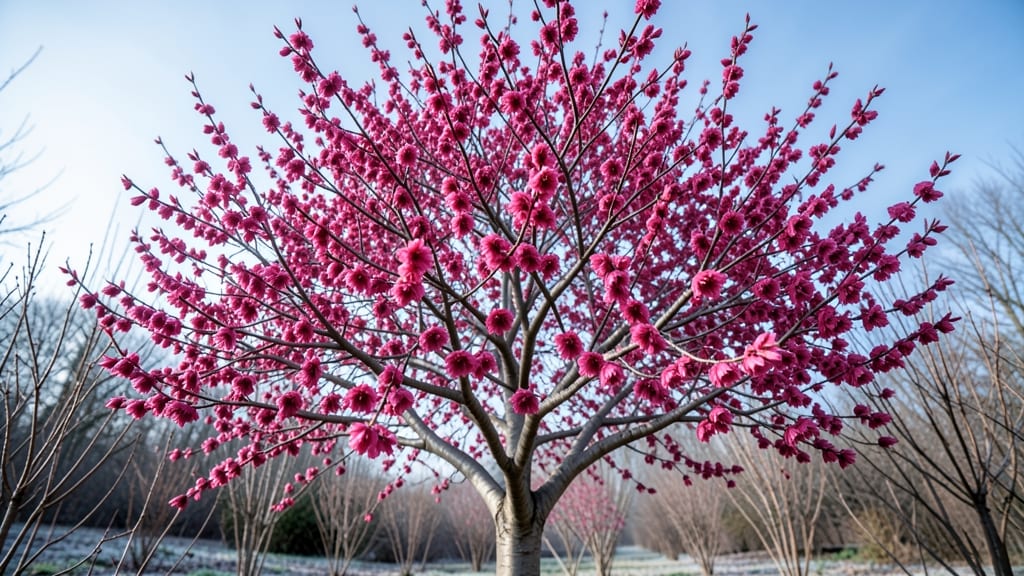
Want to turn heads in your garden before the leaves even appear? The Eastern redbud (Cercis canadensis) delivers a magenta explosion of blooms in early spring, creating a breathtaking canopy that lasts for weeks. Unlike other spring bloomers, redbuds burst into color before their heart-shaped leaves emerge, making them a standout focal point.
This fast-growing native tree thrives in full sun to partial shade and adapts to urban conditions, tolerating pollution and compacted soil. Its wildlife benefits are unmatched—bees and butterflies flock to its nectar-rich flowers, while birds later enjoy its seed pods. With mature heights of 20-30 feet, it fits perfectly in medium-sized yards or as a striking street tree.
Perfect for gardeners who want low-maintenance impact, redbuds also handle drought once established. Plant one to create a dramatic spring entrance that keeps your landscape buzzing with activity. 🌟
Crape Myrtle with Summer-Blooming Clusters
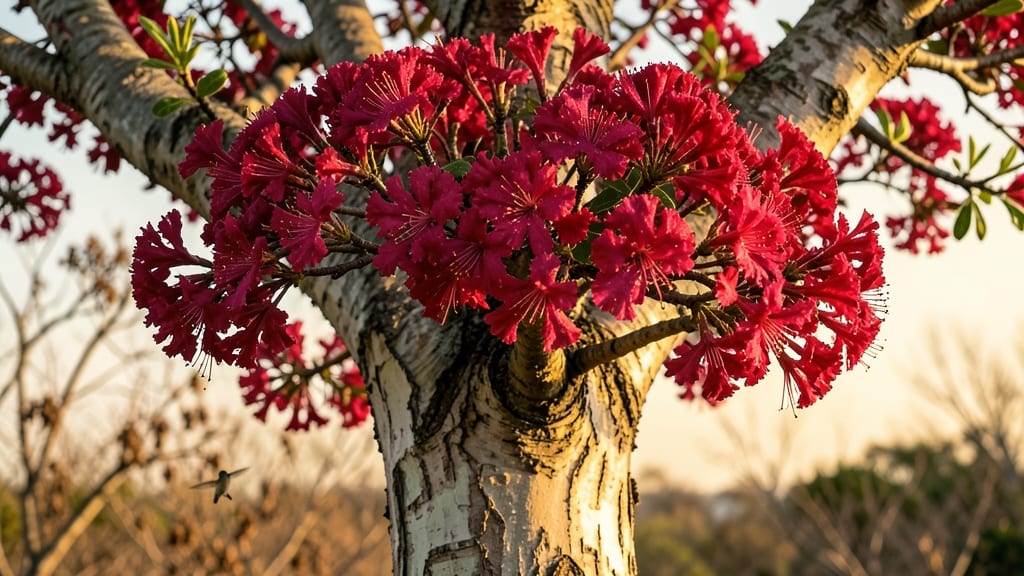
When summer heat turns other gardens into wilting landscapes, crape myrtle thrives—bursting with red flower clusters that hummingbirds and butterflies can't resist. Unlike spring-blooming trees that fade quickly, this heat-loving tree keeps providing nectar from July through September, making it a pollinator powerhouse.
Native to the southeastern U.S., crape myrtles handle drought and high temperatures with ease, requiring only well-drained soil and full sun (6+ hours daily). Choose dwarf varieties like 'Acoma' for small spaces or let larger types like 'Muskogee' become a bold landscape centerpiece. Prune in late winter to shape the tree and remove dead wood, but avoid "crape murder" by never cutting back to the ground.
Perfect for urban gardens, suburban yards, or even containers, crape myrtles offer year-round interest with their distinctive exfoliating bark in winter. Plant one to keep your garden buzzing with life when other blooms have faded. 🌻
Royal Poinciana with Tropical Vibrancy
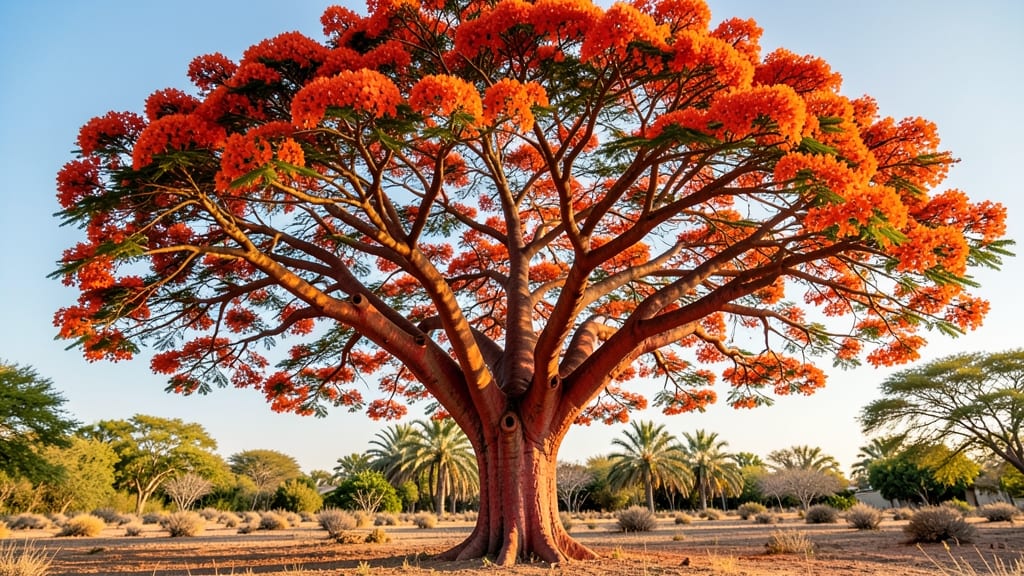
If you crave a drought-resistant tree that turns your garden into a fiery tropical escape, the Royal Poinciana delivers with its bold red-orange blooms that feel like a burst of summer sunshine. Unlike other flowering trees, this species thrives in Mediterranean or desert climates, where its deep roots help it survive with minimal water once established.
Plant it in full sun (at least 6 hours daily) for maximum floral display, and expect vibrant blooms from late spring through summer. The tree’s glossy, tropical leaves add lush contrast to its fiery flowers, while its fast growth rate (up to 3 feet per year) makes it a quick focal point. Prune lightly after flowering to maintain shape, but avoid heavy cuts that remove next year’s blooms.
This tree is ideal for gardeners in USDA zones 9-11 who want low-maintenance drama. Pair it with succulents or agave for a desert oasis that thrives with almost no extra care. 🌻
Dogwood Trees for Shade and Spring Color
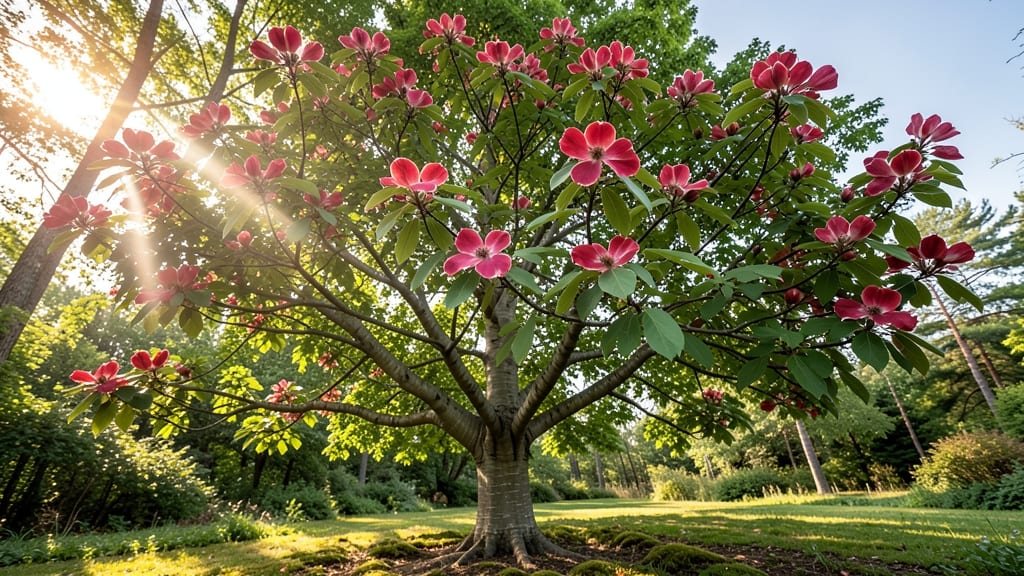
Looking for a tree that delivers both springtime drama and long-term shade? The dogwood tree is your perfect match—its iconic four-petaled red blooms create a stunning focal point while its lush canopy filters sunlight into gentle, dappled shade below.
Native to North America, dogwoods thrive in partial shade to full sun and prefer well-drained, slightly acidic soil. Their early spring blooms (March–April) feed pollinators when few other flowers are available, and their glossy green leaves provide year-round interest. Varieties like Flowering Dogwood and Cornus florida are especially prized for their adaptability to urban gardens and woodland settings.
This versatile tree is ideal for gardeners who want low-maintenance beauty without sacrificing function—perfect for underplanting larger trees or lining garden paths. 🌻
Hibiscus Trees for Hummingbird Attraction
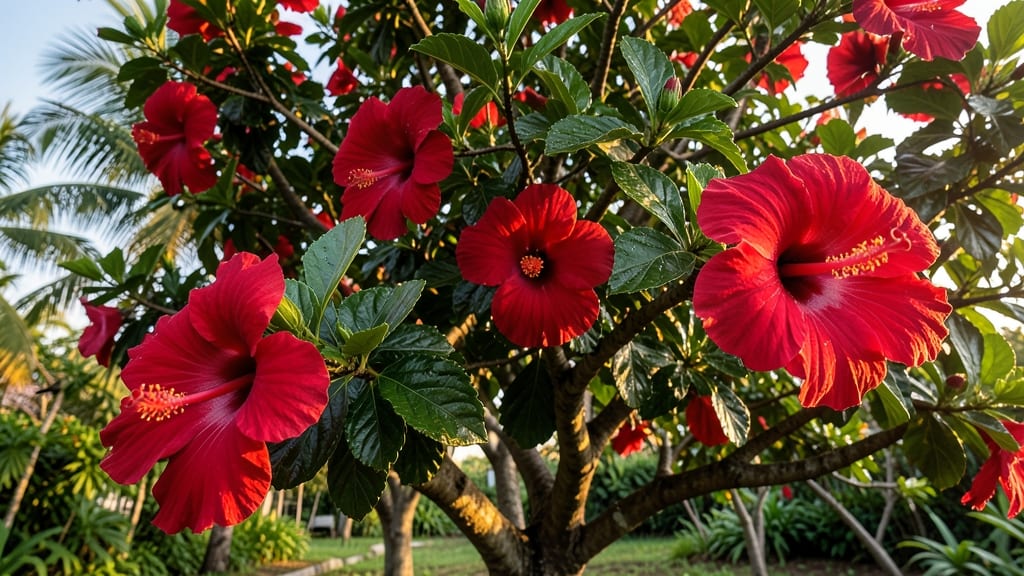
Want to turn your garden into a hummingbird hotspot without seasonal gaps? The tropical hibiscus tree delivers year-round blooms in warm climates, making it the ultimate nectar station for these tiny pollinators.
These large, showy red flowers (up to 8 inches wide!) thrive in USDA zones 9-11, where they produce continuous blooms when given full sun (6+ hours daily) and well-draining soil. Prune lightly after each flush of flowers to encourage bushier growth—just avoid cutting into old wood. For extra impact, plant near seating areas where you can watch hummingbirds dart between blooms.
Perfect for urban gardens, coastal landscapes, or tropical-style yards, hibiscus trees add drama while supporting wildlife. Just be prepared for their fast growth—they can reach 10-20 feet tall with proper care! 🌻
Smoke Trees with Unique Flower Plumes
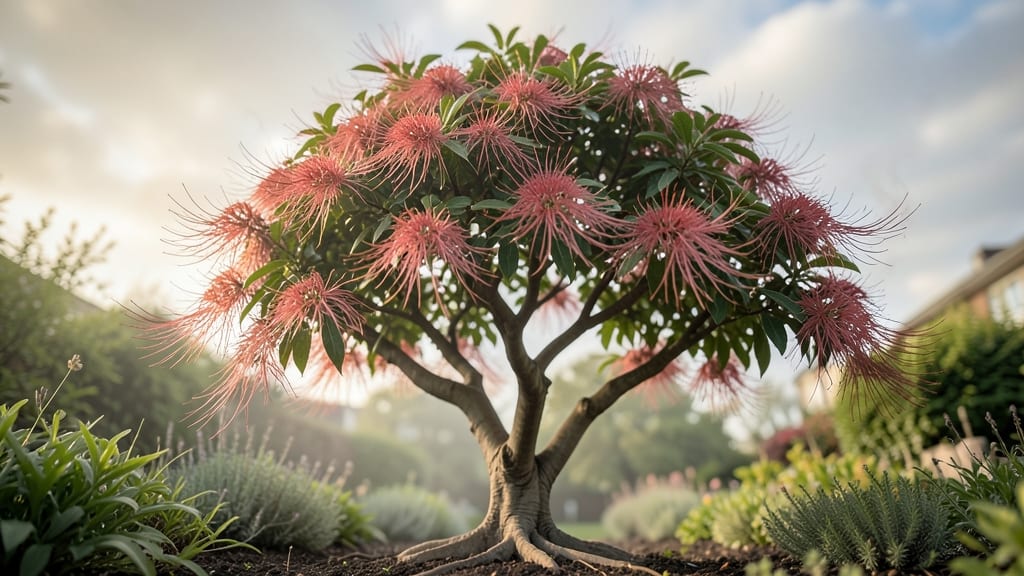
If you're looking for a tree that feels like a living sculpture, the smoke tree (Cotinus) delivers with its ethereal, feathery red flower plumes that drift like mist. Unlike other red-blooming trees, its unique inflorescences create a dreamy, smoky effect that lasts longer than typical spring blooms.
Native to Asia and North America, smoke trees thrive in full sun to partial shade and tolerate a range of soil types, including poor or rocky conditions. Their late-season blooms (June through August) provide critical nectar for bees and butterflies when many other trees have finished flowering. Plus, the foliage turns shades of burgundy, gold, or orange in autumn, extending the show.
Perfect for urban gardens, borders, or as a focal point, smoke trees require minimal pruning and are disease-resistant. Gardeners in USDA zones 4-8 will love how they add texture and movement to landscapes while supporting pollinators. 🌿
Weeping Cherry with Graceful Red Blooms
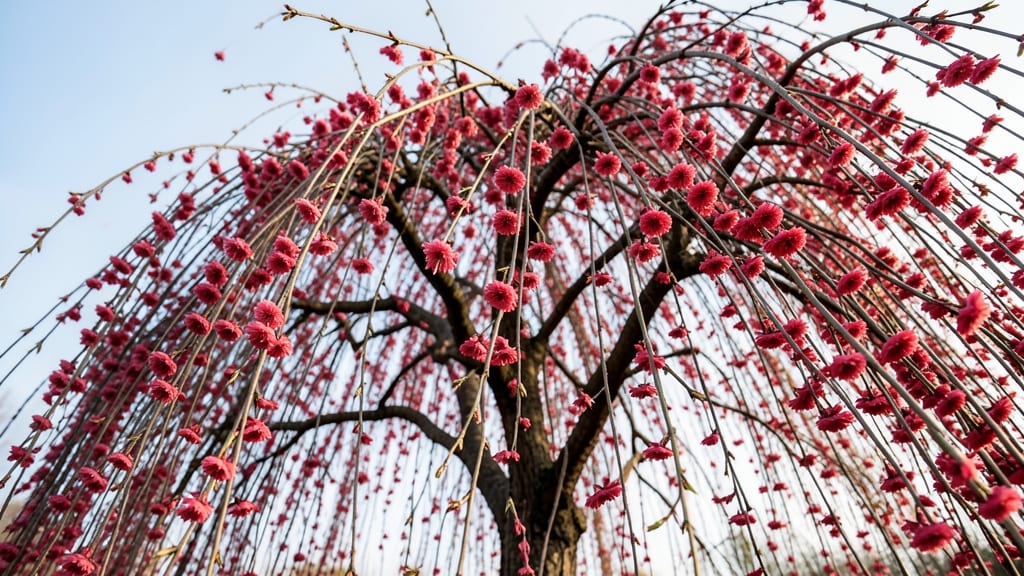
Looking for a tree that adds drama without taking over your space? The weeping cherry delivers cascading branches draped in delicate red blooms, creating a living waterfall of color that’s perfect for small gardens or patio focal points.
This graceful tree thrives in full sun to partial shade and reaches heights of 15-20 feet, making it ideal for urban gardens where space is limited. Plant it near seating areas to enjoy the fragrance of its spring blooms while providing dappled shade in summer. Prune lightly after flowering to maintain its elegant shape.
Perfect for gardeners who want year-round interest—its spring flowers transition into attractive foliage, and some varieties even offer seasonal color changes. 🌷
Flame Trees for Late-Season Color

When most trees have finished blooming and summer fades into autumn, the flame tree (Delonix regia) bursts into a spectacular show of brilliant red-orange flowers that create a fiery focal point in your landscape. Unlike spring-blooming trees, this tropical beauty thrives in late summer and fall, offering critical late-season nectar for pollinators when food sources are scarce.
Native to Madagascar but adaptable to warm climates (USDA zones 10-12), flame trees grow 30-40 feet tall with a rounded canopy and striking feather-like foliage. They prefer full sun and well-drained soil, making them ideal for urban parks, Mediterranean gardens, or as a dramatic street tree. Prune lightly after flowering to maintain shape, and watch as hummingbirds and bees flock to the vibrant blooms.
Perfect for gardeners who want to extend their seasonal color palette, flame trees also add architectural interest with their bold, tropical silhouette. Just be prepared for their seasonal leaf drop—this tree trades foliage for flowers! 🌻