
Trees
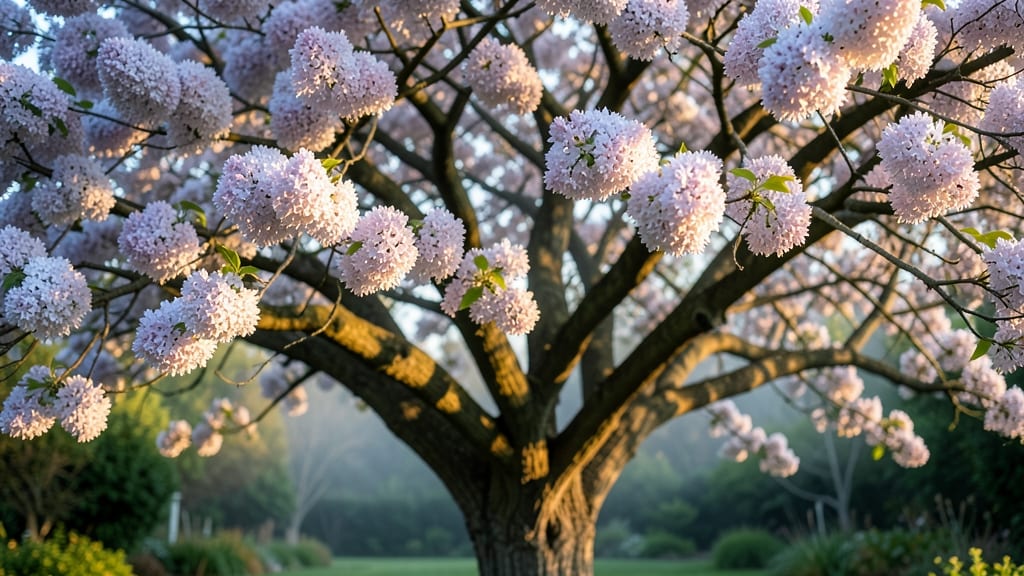
Spring’s white-blooming trees transform gardens into fragrant havens for bees, butterflies, and hummingbirds. These ten pollinator magnets offer stunning blooms, easy cultivation, and unique ecological benefits—perfect for any landscape.
Japanese Cherry Blossom Trees
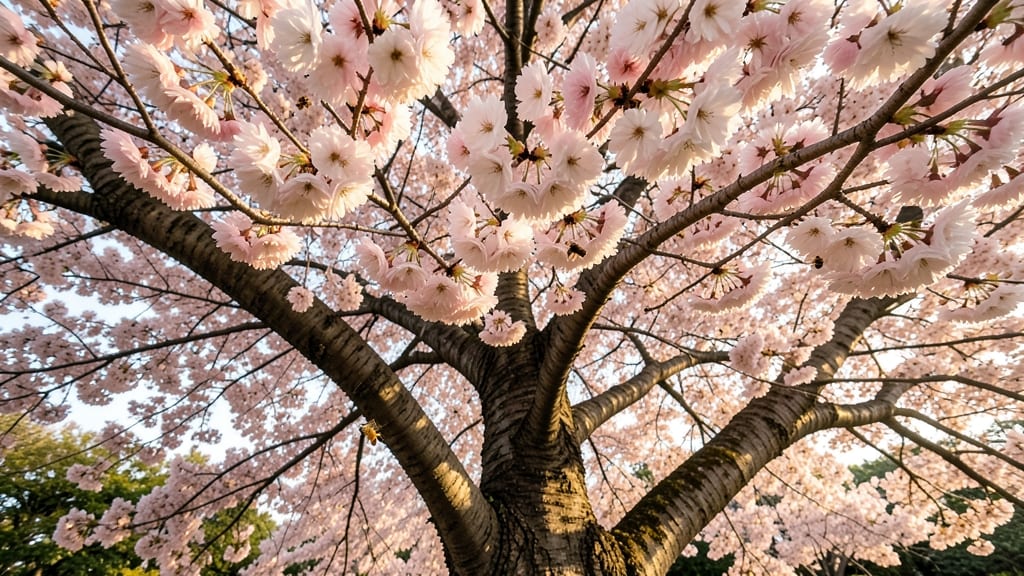
Imagine waking up to a soft pink-white canopy of blossoms cascading over your yard, drawing swarms of bees and butterflies with their delicate fragrance. The Japanese cherry blossom tree (Prunus serrulata) isn’t just a beauty—it’s a living work of art that transforms any landscape into a serene sanctuary.
These trees thrive in USDA zones 5-8, preferring full sun to partial shade and well-drained soil. Their blooms appear in late spring, lasting just 1-2 weeks, but the spectacle is worth the wait. To maximize pollinator visits, plant near native grasses or early-blooming perennials. Prune in late summer to shape the tree and remove dead branches, ensuring vibrant blooms next season.
Perfect for gardeners who want to blend cultural elegance with ecological benefits, cherry blossoms create a focal point that’s as rewarding for wildlife as it is for you. 🌻
Eastern White Pine Trees
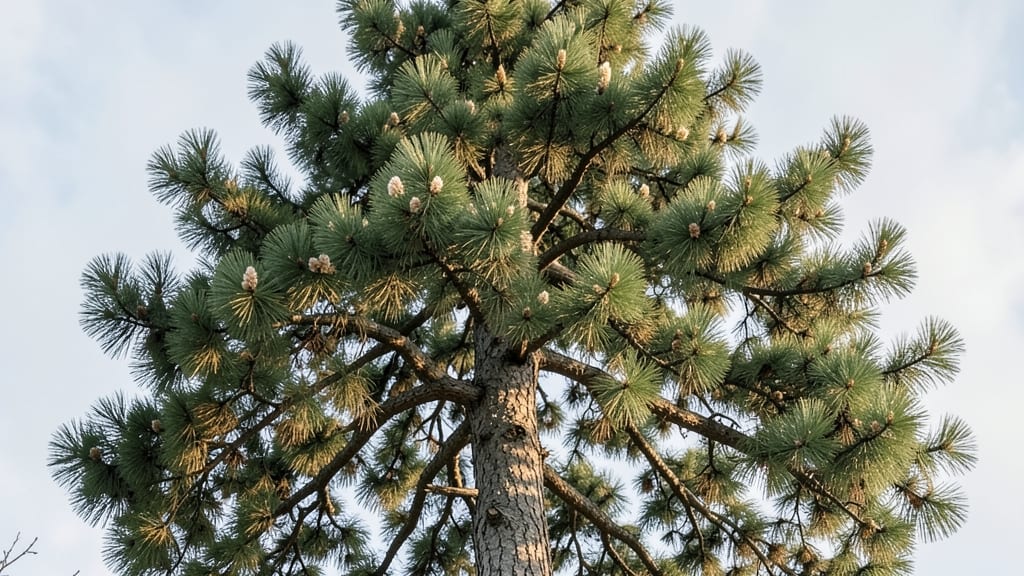
If you want a tree that delivers year-round beauty without seasonal drama, the Eastern White Pine (Pinus strobus) is your quiet superstar. While its subtle white-pink spring blooms might not steal the show like cherry blossoms, its dark green needles and towering form create a lush, evergreen privacy screen that thrives in almost any climate.
This native North American tree grows 50-80 feet tall with a 30-40 foot spread, making it perfect for large yards, windbreaks, or wildlife-friendly hedges. The soft, flexible needles (unlike prickly pines) provide shelter for birds and small mammals, while the cones feed squirrels and chipmunks. Plant it in full sun to partial shade and well-drained soil—it’s drought-tolerant once established, requiring minimal care.
Best for gardeners who prioritize low-maintenance structure over flashy blooms, this pine adds winter interest when most gardens are bare. 🌿
Fringe Tree (Chionanthus)
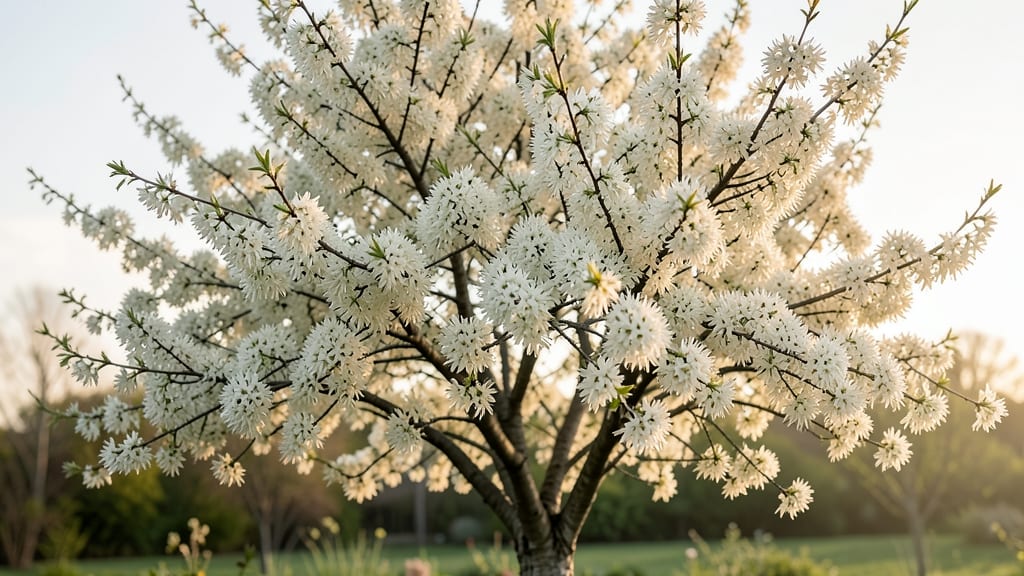
If you crave a tree that smells as good as it looks, the fringe tree (Chionanthus) delivers with its fragrant, lace-like white blooms that perfume the air in late spring. Unlike showy but scentless trees, this underrated beauty releases a delicate, sweet fragrance that lingers for weeks—perfect for small spaces where you want both beauty and aroma.
This drought-tolerant tree thrives in urban landscapes and tight garden corners, growing just 15-25 feet tall with a rounded canopy. Plant it in full sun to partial shade and well-drained soil; it handles heat, poor soil, and even occasional drought once established. The blooms attract pollinators while the glossy green leaves provide year-round interest.
Ideal for city dwellers, small yards, or pollinator gardens, the fringe tree offers low-maintenance elegance without the fuss of larger specimens. 🌿
Magnolia Stellata (Star Magnolia)
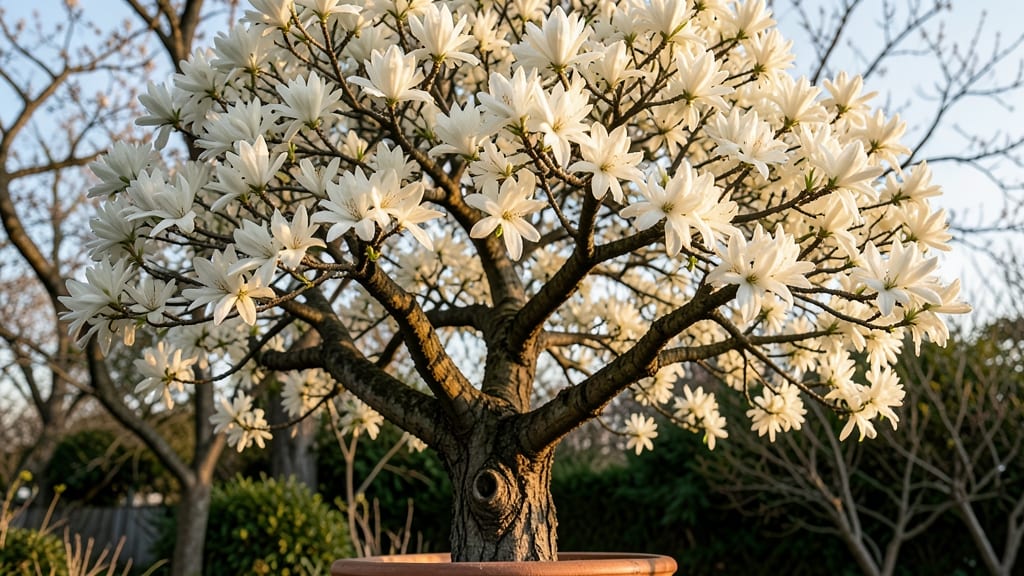
If you crave spring blooms that arrive earlier than most, the Magnolia stellata (Star Magnolia) delivers a dazzling show of star-shaped white flowers as soon as late winter—often before other trees even think about waking up.
This compact tree thrives in containers or small gardens, reaching just 10–15 feet tall with a rounded shape perfect for urban spaces. Its early blooms feed pollinators like bees and butterflies before other food sources appear, making it a lifeline for wildlife. Plant it in full sun to partial shade and well-drained soil for maximum impact.
Gardeners with limited space or those eager to extend the pollinator season will love this low-maintenance beauty—it’s like having a four-season starter for your garden. 🌟
Crabapple Trees (Malus)
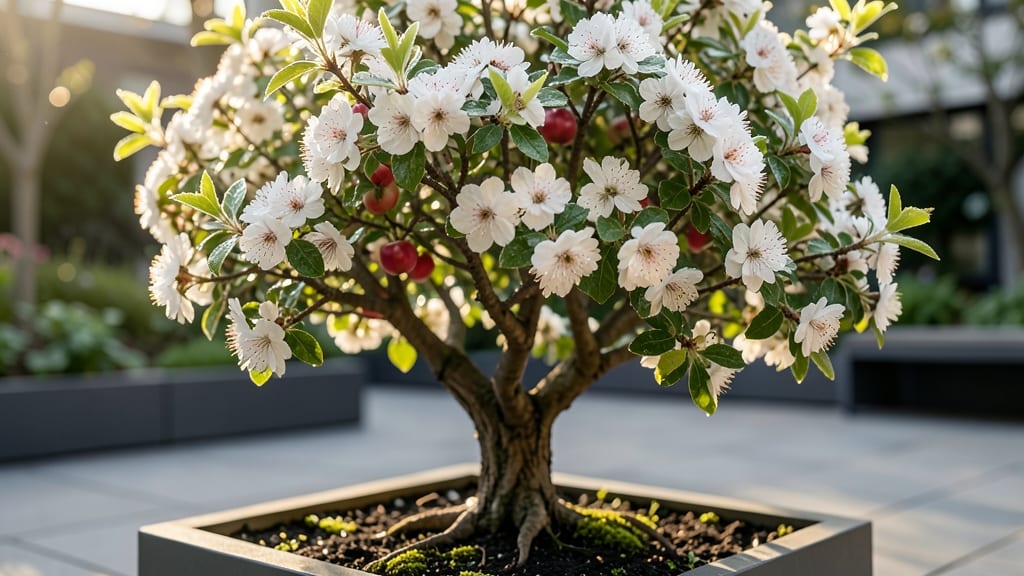
If you’ve ever dreamed of a tree that delivers both beauty and bounty in a tiny footprint, the dwarf crabapple (Malus) is your answer. These compact powerhouses burst with prolific white blooms in spring and reward you with clusters of edible fruit—all while thriving in spaces too small for full-sized trees.
Choose from varieties like 'Centennial' (6-8 ft tall) or 'Dolgo' (10-12 ft), both of which produce abundant flowers that attract bees, butterflies, and birds. Their shallow roots make them ideal for containers or small yards, and they tolerate urban conditions like pollution and compacted soil. For extra pollinator appeal, plant near native shrubs or perennials to create a multi-layered habitat. 🌿
Bradford Pear Trees
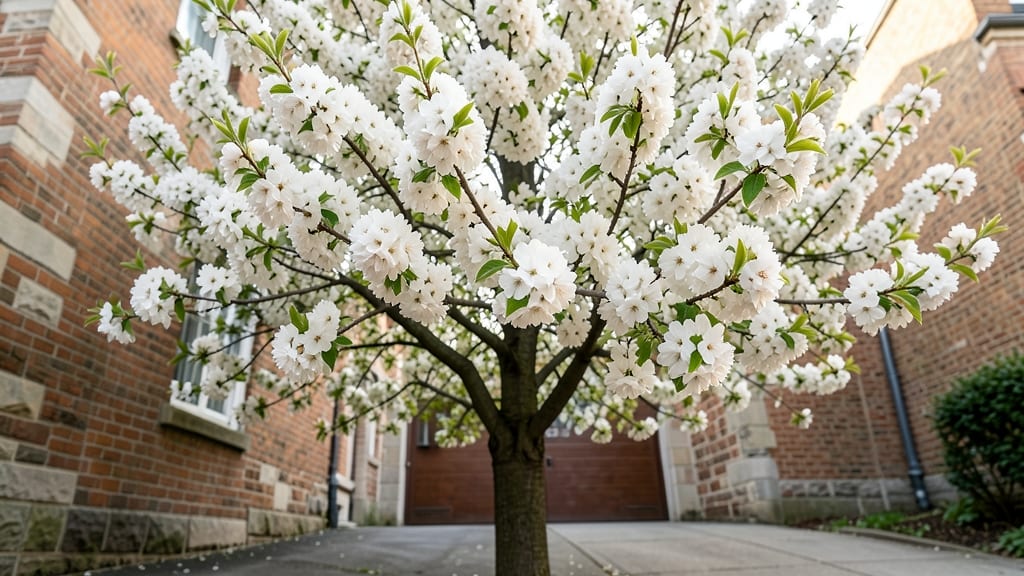
When you need a fast-growing tree that delivers dramatic white blooms in just 3-5 years, the Bradford pear (Pyrus calleryana) is your urban garden hero. Its dense clusters of fragrant flowers appear in early spring, creating a striking canopy that outshines many slower-growing ornamentals.
This tree thrives in urban conditions, tolerating pollution, compacted soil, and even sidewalk plantings—ideal for city dwellers with limited space. However, its aggressive root system demands regular pruning to prevent sidewalk damage. Plant in full sun and water deeply during the first year to establish strong roots. For pollinators, pair it with native perennials like bee balm or coneflowers to extend the seasonal feast.
Perfect for homeowners who want quick shade and seasonal drama, Bradford pears are best planted with root barriers and pruned annually to control their growth. Just be mindful of their invasive tendencies in some regions. 🌷
Saucer Magnolia (Magnolia Soulangeana)
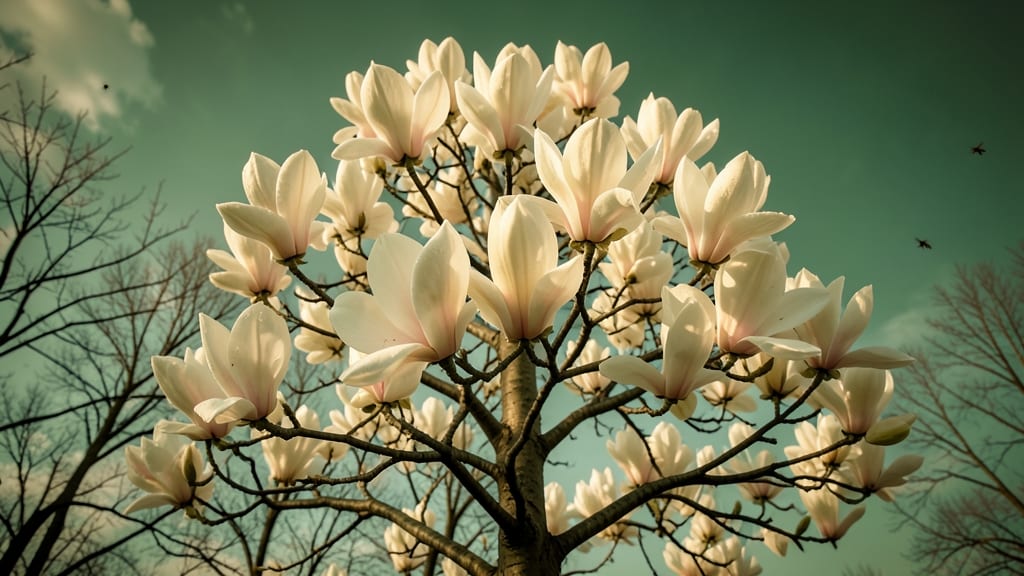
Make a bold statement in your spring landscape with the Saucer Magnolia (Magnolia soulangeana), a tree that bursts into bloom with large, cup-shaped white flowers before its leaves even appear. This early-season spectacle creates a dramatic focal point that pollinators can’t resist, especially when paired with native perennials.
The 20-30 foot tall tree thrives in full sun to partial shade and well-drained soil, making it adaptable for lawns, borders, or even large containers. Its fragrant blooms feed bees and butterflies in early spring, while the glossy green leaves provide summer shade. For best results, plant in USDA zones 4-9 and mulch around the base to retain moisture.
Perfect for gardeners who want low-maintenance drama, this magnolia delivers year after year with minimal care—just watch it transform your yard into a pollinator paradise. ✨
White Flowering Dogwood
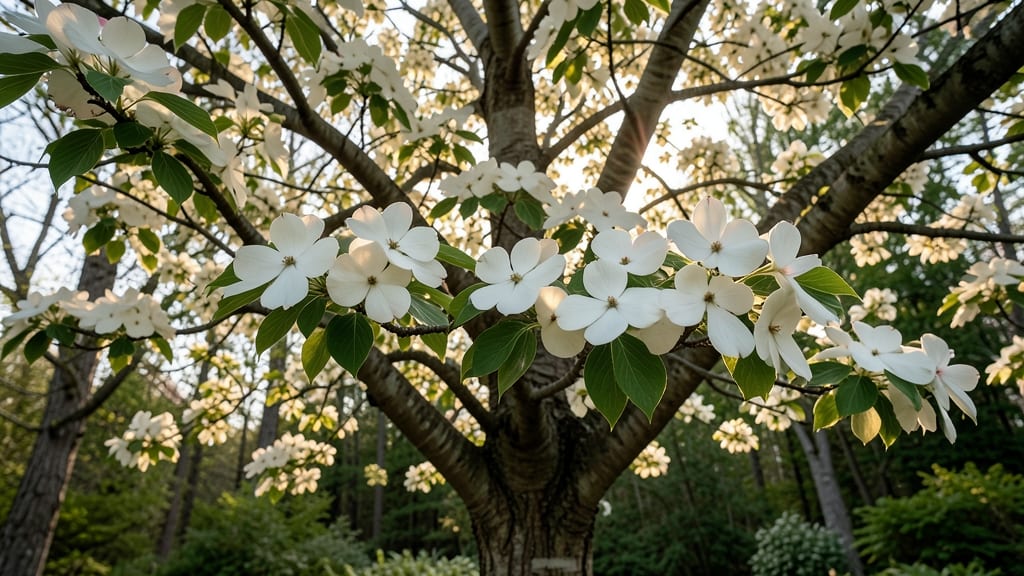
If you’re searching for a native North American tree that thrives in partial shade while still delivering showstopping spring blooms, the white flowering dogwood (Cornus florida) is your answer. Its iconic four-petaled white bracts (often mistaken for flowers) create a stunning canopy that brightens woodland gardens, urban backyards, and shaded borders.
This understory tree flourishes in USDA zones 5-9 and prefers moist, well-drained soil with morning sun and afternoon shade, making it perfect for understory plantings or as a focal point in partially shaded landscapes. The fragrant spring blooms attract native pollinators like bees and butterflies, while its red berries in fall provide food for birds. Prune lightly after flowering to maintain its natural shape and encourage dense growth.
Ideal for gardeners who want to support native ecosystems without sacrificing beauty, the white flowering dogwood is a versatile choice for both wildlife-friendly gardens and classic landscapes. 🌱
Hawthorn Trees (Crataegus)
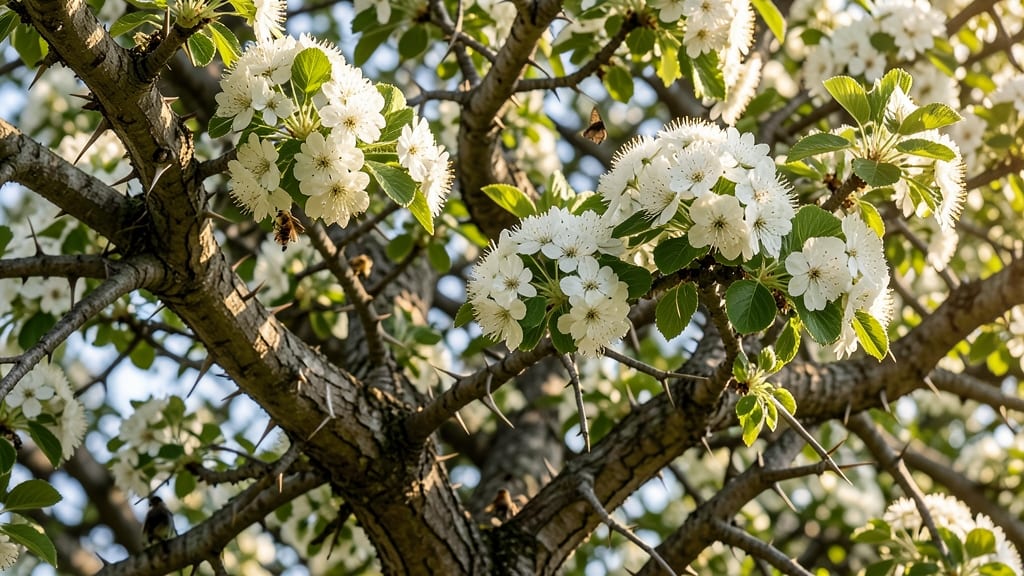
If you’re looking to turn your garden into a bustling wildlife haven with minimal effort, hawthorn trees (Crataegus) are your secret weapon. Their dense clusters of white blooms in late spring create a feast for bees, butterflies, and birds, while their thorny branches provide shelter and nesting sites for songbirds and small mammals.
Native to North America, hawthorns thrive in full sun to partial shade and adapt to a wide range of soils, making them ideal for hedgerows, windbreaks, or native plant restoration. Their berries feed wildlife through fall and winter, and their drought-tolerant nature means less watering once established. For best results, plant multiple trees to encourage pollinator activity and create a layered habitat.
Perfect for ecologically minded gardeners or those restoring native ecosystems, hawthorns offer beauty and function without the fuss of high-maintenance trees. 🌱
Lilac Trees (Syringa)

Close your eyes and take a deep breath—what you smell might just be the intoxicating fragrance of a lilac tree (Syringa) in full bloom. Unlike many white-blooming spring trees, lilacs don’t just look beautiful—they perfume entire neighborhoods with their sweet, heady scent, making them a sensory experience as much as a visual one.
These versatile shrubs or small trees thrive in USDA zones 3-9, adapting to full sun to partial shade and well-drained soil. Their dense clusters of white, purple, or pink flowers appear in late spring, attracting swarms of bees and butterflies while providing long-lasting cut flowers. For maximum fragrance, plant near seating areas or pathways where you can enjoy the scent up close. Prune immediately after blooming to maintain shape and encourage next year’s flowers.
Perfect for cottage gardens, urban borders, or pollinator-friendly landscapes, lilacs offer decades of blooms with minimal care—ideal for gardeners who want both beauty and nostalgia in every season. 🌷