
Blooming
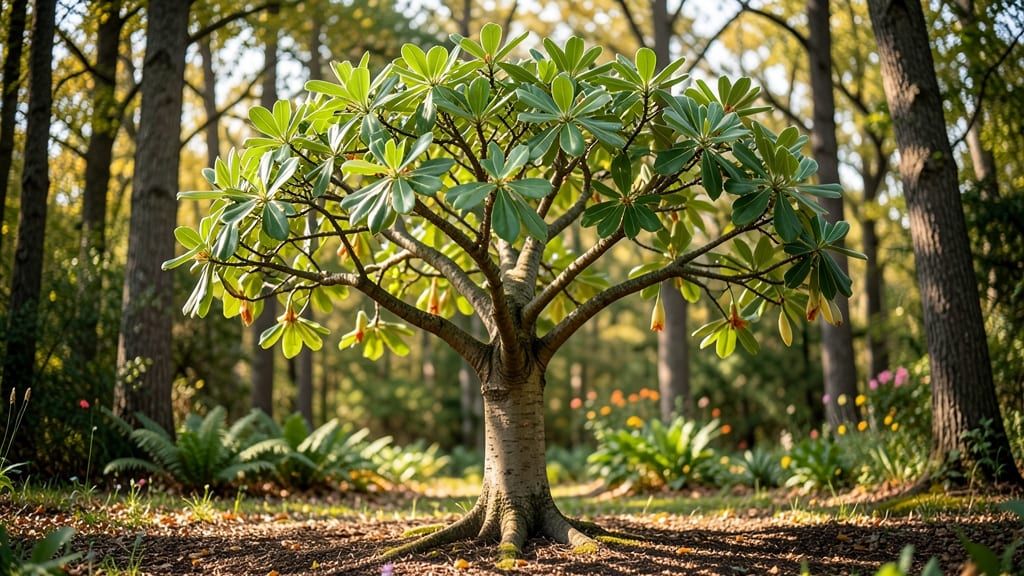
The tulip tree blooms in late spring to early summer 🌳, but the exact timing depends on where you live—and getting it right means the difference between a stunning canopy and a missed show.
If you’ve ever wondered when those stunning tulip tree flowers will finally appear, timing is everything—especially since bloom periods vary wildly by climate zone. Some years, the blooms arrive in May, while others drag into June, leaving you scratching your head over what went wrong.
What you’ll discover here is how to predict your tree’s bloom time using simple growth cues, plus the pruning tricks that keep those iconic flowers coming back year after year. No guesswork, just science-backed tips tailored to your zone.
From recognizing the first buds to knowing when to prune for next season’s display, this guide cuts through the confusion so you can enjoy your tulip tree’s show without the frustration.
Tulip tree bloom time by USDA hardiness zones: month-by-month guide
Predicting when your tulip tree (Liriodendron tulipifera) will bloom depends heavily on your USDA hardiness zone. While these trees typically flower in late spring to early summer, regional climate variations can shift bloom times by weeks.
Understanding your zone’s pattern helps you anticipate—and even encourage—those stunning yellow-green tulip-shaped flowers that make this tree a standout in any landscape.
In colder zones like 3-5, tulip trees often wait until late May or June to bloom, while warmer zones 7-9 may see flowers as early as March or April. Sunlight exposure also plays a critical role—trees in full sun bloom earlier than those in partial shade.
Let’s break down the month-by-month expectations for each zone so you can plan your garden year accordingly.
| USDA Zone | Typical Bloom Month | Early Bloomers | Late Bloomers | Key Factor |
|---|---|---|---|---|
| Zones 3-4 | Late May - June | Early June (warm springs) | Early July (cool springs) | Spring warmth |
| Zones 5-6 | Mid-May - Late May | Early May (full sun) | Late June (partial shade) | Sunlight exposure |
| Zones 7-8 | March - Early April | Late February (mild winters) | Mid-April (cooler springs) | Chill hours |
| Zones 9-10 | February - March | January (extreme south) | Early April (higher elevations) | Elevation |
If you’re in USDA zones 3-4, your tulip tree likely needs consistent spring warmth to trigger blooms. In these northern regions, late May to June is the norm, but early bloomers can appear as soon as early June in years with mild winters.
Pay attention to leaf emergence—buds usually form shortly after new leaves unfurl, signaling the bloom window is near.
Gardeners in zones 5-6 often see flowers by mid-May, especially if the tree receives full sun exposure. However, trees planted in partial shade may delay blooming until late June.
To encourage earlier blooms, prune lightly in late winter to remove any dead or crossing branches, allowing more sunlight to reach the canopy.
For those in warmer zones (7-9), tulip trees are early risers, often blooming as early as February or March. The key factor here is chill hours—trees need a period of cold to break dormancy.
In zone 9 and above, where winters are mild, blooms can even appear in January in the deepest south. However, higher elevations within these zones may push blooms back to mid-April.
Regional microclimates can also shift bloom times. For example, a tulip tree in Atlanta (zone 8a) might bloom in early March, while one in Asheville (zone 7b) could wait until mid-April due to cooler mountain air.
To adjust for your specific location, observe nearby mature tulip trees—their bloom patterns will give you a reliable local benchmark.
Temperature fluctuations can also impact bloom timing. A sudden cold snap in early spring might delay blooms by 2-3 weeks, while an unusually warm winter could trigger early bud formation. If you notice buds forming but then dropping off, this is often a sign of temperature stress.
To mitigate this, avoid heavy pruning in late winter and ensure your tree has well-draining soil to handle temperature swings.
Sunlight is another critical factor. Tulip trees thrive in full sun (6+ hours daily), but even partial shade can delay blooms. If your tree isn’t flowering as expected, consider thinning nearby branches or removing competing vegetation to improve light penetration.
In urban areas with limited sunlight, supplement with a reflective surface (like a white wall) to bounce extra light onto the tree.
Once you’ve identified your tulip tree’s typical bloom window, you can plan complementary plants to extend the seasonal interest. Pair it with spring-blooming bulbs like daffodils or early summer perennials such as columbine to create a continuous display.
And remember, while tulip trees are self-pollinating, they produce winged seeds that can sprout into new trees—so keep an eye out for baby tulip trees popping up in your yard!
🌳
How to predict tulip tree bloom time using growth stages
Predicting when your tulip tree will bloom can feel like guessing, but by watching for specific growth stages and environmental clues, you can forecast blooms months ahead. These visual cues and climate factors work together to give you a reliable timeline for those iconic yellow-green flowers.
Start by tracking the leaf emergence in early spring—this is your first major milestone. Tulip trees typically begin leafing out 4-6 weeks before blooming, so mark this date on your calendar. Pair this with chill hour requirements (typically 500-1,000 hours below 45°F) to refine your prediction.
🌱 Key Growth Stages to Track
- Stage 1: Leaf emergence (early spring) – First green leaves appear.
- Stage 2: Bud formation (late winter/early spring) – Small, fuzzy buds form at branch tips.
- Stage 3: Bud swelling (3-4 weeks before bloom) – Buds double in size and turn slightly green.
- Stage 4: Full bloom (late spring/early summer) – Flowers open fully for 7-10 days.
Pay close attention to bud formation in late winter—these fuzzy, green-tipped buds are your second signal. They usually appear 6-8 weeks before blooming, so count backward from this stage to estimate your tulip tree’s bloom window. Warmer winters can delay bud formation, while cooler springs may speed it up.
Spring temperature trends play a crucial role too. Tulip trees bloom when daytime temperatures consistently reach 60-70°F for at least a week. Track your local last frost date—blooms typically occur 2-4 weeks after frost risk has passed in most regions. Use a weather app to monitor these shifts.
For a foolproof forecast, combine these observations with a simple checklist. Note the date of leaf emergence, bud formation, and bud swelling, then add 6-8 weeks to your latest observation. This method helps account for regional variations and gives you a 3-4 week bloom window to anticipate.
Pro tip: If your tulip tree hasn’t bloomed by early summer, check for stress signs like yellowing leaves or sparse buds. Adjust care—like deep watering or balanced fertilizer—to encourage future blooms. Patience is key, as younger trees may take 5-10 years to reach full bloom potential.