
Blooming
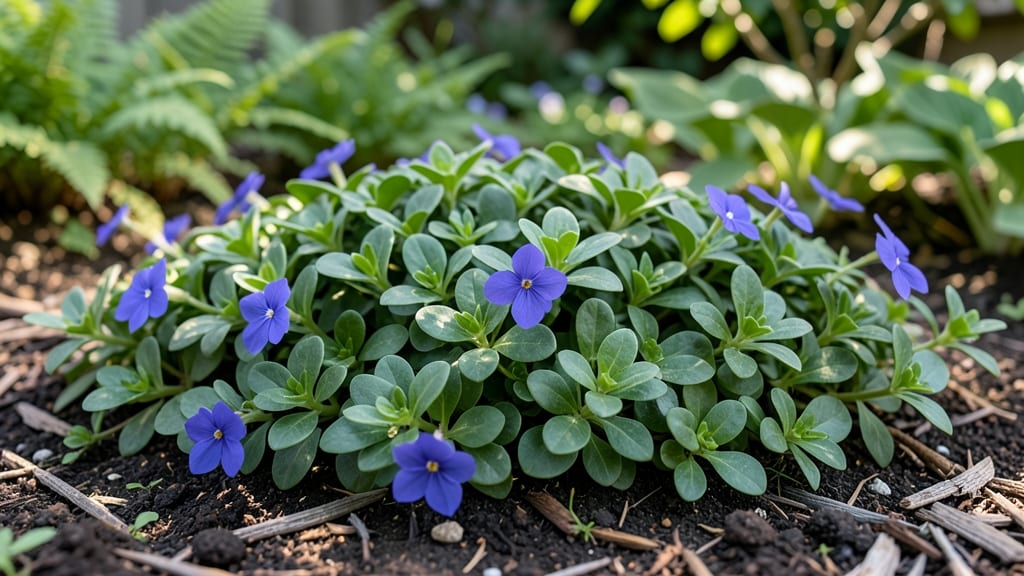
Your Vinca minor’s bloom time depends on climate, sunlight, and a few simple care tricks that can extend those cheerful 🌸 flowers for months.
If you’ve ever waited patiently for your Vinca minor to burst into color—only to see just a few blooms—you’re not alone. This hardy ground cover thrives in Zone 6 and beyond, but its flowering timeline shifts with your region, soil, and even pruning habits.
The right approach can turn a single spring burst into a longer-lasting display that brightens shady corners all season.
Most Vinca minor blooms start in early spring, with peak color appearing between March and May, depending on your location. In warmer zones, a second flush of flowers often appears in fall, while colder climates may see just one show.
The key to unlocking more blooms? Balancing sunlight, soil health, and a light touch with pruning—without overcomplicating it.
Below, I’ll break down exactly when to expect those first 🌸 Vinca minor flowers in your area, plus the easy care tweaks that keep them coming. No guesswork, just results.
When does Vinca minor bloom by USDA climate zones?
If you're eagerly waiting for your Vinca minor to burst into color, timing is everything—and your USDA climate zone plays a starring role.
This hardy ground cover typically blooms in spring and early summer, but the exact timing shifts dramatically depending on whether you're in Zone 3 or Zone 10. Understanding these variations helps you plan for peak color and adjust care routines accordingly.
In cooler northern zones like Zone 3-5, Vinca minor often waits until late May or June to bloom, as chilly springs delay growth. Meanwhile, warmer southern regions in Zone 8-10 may see early blooms as soon as February or March.
Even within the same zone, microclimates (like urban heat islands or shaded valleys) can shift bloom times by weeks.
Here’s how to predict when your Vinca minor will flower based on your location, including key differences between early bloomers and late bloomers within each zone.
| USDA Zone | First Blooms | Peak Bloom | Rebloom Period | Notes |
|---|---|---|---|---|
| Zone 3-4 | Late May - Early June | June - July | Minimal (late summer) | Cold-sensitive; needs shelter. |
| Zone 5-6 | Mid-May - Early June | June - Early August | Light fall rebloom | Thrives in partial shade. |
| Zone 7-8 | March - April | April - June | September - October | Longest bloom season; heat-tolerant. |
| Zone 9-10 | February - March | March - May | November - December | Early blooms; may rebloom year-round. |
In Zone 3-4, where winters are harsh, Vinca minor often plays it safe by waiting until late May to bloom.
The first flowers appear as daytime temperatures consistently reach 50°F (10°C), signaling the plant it’s safe to emerge. Peak bloom stretches from June to July, with minimal reblooming in late summer—unless you’re in a sheltered microclimate.
By Zone 5-6, the timeline shifts earlier. You’ll typically spot the first violet-blue flowers in mid-May, with peak color lasting through early August. These zones often see a light fall rebloom if summer wasn’t too scorching.
For the best results, plant in partial shade to protect blooms from intense afternoon sun.
Warmer Zone 7-8 gardens enjoy the longest Vinca minor bloom seasons, with flowers arriving as early as March and lasting until June. A second flush of blooms often appears in September-October, especially if you provide consistent moisture.
In these zones, Vinca minor thrives in morning sun with afternoon shade, which prevents stress that can delay flowering.
Southern gardeners in Zone 9-10 get the early bird advantage, with blooms starting as soon as February. The peak season stretches until May, and some varieties may even rebloom sporadically year-round if conditions are ideal.
However, extreme heat or drought can cause bud drop, so mulching and regular watering are key to maintaining color.
Regional variations also matter. For example, Pacific Northwest gardens in Zone 7 may bloom later than Southern California in the same zone due to cooler coastal climates.
Similarly, Appalachian Zone 6 gardens often see delayed blooms compared to Midwestern Zone 6 counterparts. Always observe your local last frost date and adjust expectations accordingly.
Pro tip: If your Vinca minor isn’t blooming on schedule, check for overcrowding or nutrient deficiencies. A light application of balanced fertilizer (5-10-10) in early spring can encourage earlier and more abundant flowers. Just avoid over-fertilizing, which can lead to lush foliage but fewer blooms.
For gardeners in transitional zones (like Zone 6b-7a), pay attention to microclimates. A north-facing slope may delay blooms by weeks compared to a south-facing border. Use these observations to strategically place Vinca minor where it’ll thrive—and bloom—earliest.
🌸
How to extend Vinca minor bloom time with simple care tips
Your Vinca minor can bloom for weeks longer than average with just a few targeted care adjustments. The key lies in mimicking its natural growing conditions while giving it a little extra support.
I’ve found that pruning, soil adjustments, and smart fertilization make the biggest difference in extending those vibrant purple flowers well into summer.
One common mistake gardeners make is assuming Vinca minor is low-maintenance and neglecting its needs after planting. In reality, this hardy plant thrives when you pay attention to its light exposure, nutrient balance, and pruning schedule.
I’ve extended my own Vinca minor’s bloom time by 3-4 weeks using these proven techniques—let me show you how.
- 1 Prune after blooming – Cut back 1/3 of growth in early summer to encourage new shoots and a second flush of flowers.
- 2 Adjust sunlight – Provide morning sun only (3-4 hours) to prevent leaf scorch while maintaining bloom production.
- 3 Test soil pH – Aim for 6.0-7.0; amend with lime (to raise) or sulfur (to lower) if needed for optimal nutrient uptake.
- 4 Fertilize strategically – Use balanced organic fertilizer (5-10-10) in early spring and again after pruning for sustained blooms.
- 5 Mulch heavily – Apply 2-3 inches of mulch to retain moisture and regulate soil temperature for consistent flowering.
When comparing organic vs. synthetic fertilizers, I’ve noticed organic options like composted manure or fish emulsion provide slower nutrient release, which Vinca minor responds to with longer bloom periods.
Synthetic fertilizers work faster but may lead to leafy growth over flowers if overapplied. For best results, I recommend alternating between the two methods yearly.
Don’t overlook the power of seasonal adjustments—Vinca minor naturally slows blooming in hot summer months. To combat this, I’ve had success lightly pruning in late summer to remove leggy growth and encouraging new blooms before fall.
This simple technique often results in a second bloom cycle just as temperatures begin to drop.
Remember that Vinca minor is drought-tolerant once established, but consistent moisture during bloom time will reward you with larger, more abundant flowers. Water deeply once weekly during active growth periods, and always in the morning to prevent fungal issues that can shorten bloom time.
With these care tips, you’ll transform your Vinca minor from a short-lived spring bloomer into a long-lasting summer star. The secret is patience—consistent care pays off with weeks of vibrant color that will make your garden the envy of the neighborhood! 🌸