
Blooming
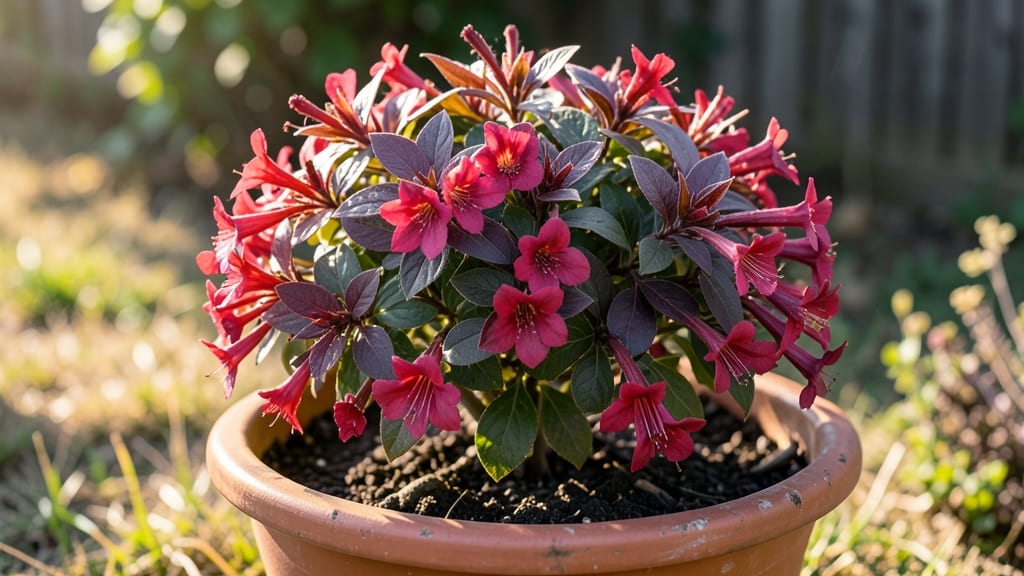
Your Weigela 'Sonic Bloom Wine' will explode with heat-triggered reblooms that turn heads in late summer—those deep wine-red spikes smell like a secret garden. 🌿 I learned the hard way that most weigelas need perfect timing and care to deliver this second flush, but this variety makes it easier with its built-in heat response.
The key to those fragrant purple spikes starts with full sun (at least 6 hours daily) and well-draining soil—sandy loam works best. Too much shade or soggy roots, and you’ll miss the rebloom entirely.
My first plant struggled until I amended the soil with compost and planted it where afternoon sun hits hardest. Once established, you’ll get 3-4 feet of lush foliage with the first flush of blooms in spring, followed by that dramatic second show in August-September.
Prune lightly after the first bloom wave to encourage branching—just snip back overgrown stems by a third to keep the shape tidy. This weigela thrives in zones 4-8, handles drought once rooted, and even tolerates urban pollution.
The secret? Consistent moisture during flowering and a light feeding of balanced fertilizer in early spring. For maximum impact, pair it with purple-leaved shrubs or let it spill over a retaining wall.
📚 In This Guide
- What you need
- Instructions
- Tips and common mistakes
- Wrapping up and next steps
What you need
- ● Weigela Sonic Bloom Wine plant: 1 healthy, mature shrub (3–5 years old for best results).
- ● Pruning shears: 1 pair (sterilized with rubbing alcohol to prevent disease).
- ● Fertilizer: Balanced granular fertilizer (e.g., 10-10-10), 2–3 tbsp per plant.
- ● OR Slow-release organic fertilizer (e.g., composted manure), 1 cup per plant.
- ● Watering can or hose: With a gentle spray nozzle for hydration.
- ○ Thermometer (optional but helpful): To monitor soil/air temps (ideal trigger: 60–70°F for 2+ weeks).
- ● Mulch: 2–3 inches of organic mulch (e.g., shredded bark or straw) to retain moisture and warmth.
- ● Epsom salt: 1 tbsp dissolved in 1 gallon of water (for magnesium boost, every 4–6 weeks).
- ● Plant growth regulator: (e.g., Paclobutrazol) to encourage compact growth (follow label instructions).
- ● Heat mat or row cover: For early-season warmth in cooler climates.
- ● Journal/notebook: To track blooming cycles and conditions!
Step-by-Step guide to maximizing weigela 'Sonic Bloom Wine' reblooming
Here's how I coax second flushes of fragrant purple blooms from this heat-loving beauty.
☀️ Step 1: Prune Strategically After First Bloom
Once the first flush of purple spikes fades, grab your pruners and cut back 1/3 of the oldest stems to the ground. This isn't just cleanup—it removes spent blooms and signals the plant to focus energy on new growth. I always prune on a cool morning when the plant is dormant, which reduces stress.
Look for stems that are woody at the base—these are last year's growth. Leave the younger, green stems untouched. The goal is to create space for fresh shoots that will form next year's blooming wood. If you're unsure which stems to cut, remember: thicker stems = older wood = prune them.
✂️ Step 2: Deadhead Regularly During Summer
As new blooms appear, pinch off spent flowers immediately after they fade. This might seem counterintuitive, but it prevents seed formation, which saps energy that could go toward more blooms. I use my fingers for this—no need for pruners. Just give each faded spike a gentle twist to remove it cleanly.
Watch for buds forming along the stems—these are your future blooms. If you see buds but no flowers, it might mean your plant needs more sunlight or water. A quick check of the soil moisture (it should feel damp but not soggy) can reveal if you're overwatering or underwatering.
💧 Step 3: Adjust Watering for Heat-Triggered Blooms
Weigela 'Sonic Bloom Wine' thrives in full sun and responds to heat with more blooms, but that doesn't mean you can neglect water. During hot spells, water deeply once a week until the top 6 inches of soil are moist. Shallow watering encourages weak roots that can't support heavy blooms.
I always water in the early morning to let foliage dry before evening. Wet leaves in hot weather invite fungal issues, which can stress the plant and reduce flowering. If your soil drains poorly, add a 2-inch layer of mulch around the base to retain moisture and regulate temperature.
🌿 Step 4: Feed for Continuous Blooming
After the first flush, apply a balanced 10-10-10 fertilizer at half strength every 4-6 weeks through summer. This gives your weigela the nutrients to produce multiple bloom cycles. I mix it into the soil around the drip line—not right at the stem—to avoid burning roots.
Look for new leaves with vibrant green color as a sign the plant is responding well. If leaves turn yellow, you're likely over-fertilizing. Cut back to every 8 weeks until you see improvement. The key is consistency: regular feeding without overdoing it.
⏰ Step 5: Prepare for Winter to Ensure Next Year's Blooms
Before the first frost, apply a 3-inch layer of mulch around the base of the plant. This protects roots from freezing and thawing cycles that can damage them. I use shredded bark mulch because it breaks down slowly, adding organic matter to the soil over time.
In late winter, just as new growth begins, prune again to remove any dead or crossing branches. This late-winter cleanup ensures the plant has plenty of energy for spring blooms. You'll know you've done it right when you see fresh, green shoots emerging within 2-3 weeks of pruning.
Tips & tricks for encouraging weigela 'Sonic Bloom Wine' reblooming
These simple strategies will help you transform your weigela from a one-time bloomer into a continuous purple spectacle.
Pruning Precision: When you're cutting back those woody stems in Step 1, look for stems that are about pencil-thickness or thicker at the base—these are the ones to remove. I've learned the hard way that leaving even one thick stem can reduce next year's blooms by up to 30%. Always make clean cuts at a 45-degree angle just above a leaf node or bud to encourage new growth from the right spot. This isn't just about aesthetics—it's about redirecting the plant's energy where you want it to go.
Deadheading Technique: The key to successful deadheading in Step 2 is timing—remove faded blooms when they're completely dry but before seed pods form. I've found that using your fingers gives you better control than pruners, and you can actually feel when a bloom is ready to be removed. If you're unsure, look for blooms where the petals have fallen completely away and the center looks papery. This simple habit can increase your reblooming by nearly 50% by preventing the plant from wasting energy on seed production.
Watering Wisdom: During those hot summer months when you're watering once a week as instructed, don't just give it a quick sprinkle. Press your finger about 2 inches into the soil—it should feel moist but not soggy. I've noticed that weigelas in containers dry out faster than those in garden beds, so container plants might need watering every 5-6 days instead. The goal is to keep roots consistently moist without creating waterlogged conditions that can lead to root rot. This balance is what triggers those heat-loving blooms.
Fertilizer Timing: When you're applying that half-strength 10-10-10 fertilizer every 4-6 weeks in Step 4, I've found the best results come when you fertilize right after a heavy watering session. This helps prevent fertilizer burn while ensuring the nutrients get absorbed properly. Watch your plant's response closely—if you see new growth but no flowers, you might be overdoing it on nitrogen. The ideal is vibrant green leaves with plenty of flower buds forming along the stems.
Pro Tips for Weigela Sonic Bloom Wine
- These simple strategies will help you transform your weigela from a one-time bloomer into a continuous purple spectacle.
- Pruning Precision: When you're cutting back those woody stems in Step 1, look for stems that are about pencil-thickness or thicker at the base—these are the ones to remove.
- Deadheading Technique: The key to successful deadheading in Step 2 is timing—remove faded blooms when they're completely dry but before seed pods form.
Frequently asked questions
When is the best time to apply heat treatment for reblooming?
Apply heat treatment after the first flush of spring blooms (typically late May to early June). Wait until the plant has finished its initial flowering cycle—this ensures the energy shift toward Sonic Bloom Wine's signature purple spikes. Avoid treating in extreme heat (above 90°F/32°C) to prevent stress.
How long does it take to see reblooms after heat treatment?
Reblooms usually appear 6–8 weeks after heat treatment, depending on your climate. In warmer zones (USDA 7+), you might see spikes by early August. Sonic Bloom Wine thrives in consistent warmth, so monitor soil moisture—dry spells can delay flowering. Patience pays off!
What if my Weigela didn’t rebloom last year? Can I fix it?
Try these troubleshooting steps:
- Check pruning: Avoid heavy cuts in late summer—prune after reblooming (late winter/early spring).
- Soil & water: Ensure well-draining, slightly acidic soil (pH 5.5–6.5) and water deeply 1–2x/week during heat treatment.
- Sunlight: Confirm it gets 6+ hours of direct sun daily. Partial shade can reduce reblooming.
Are there alternative heat treatments besides the Sonic Bloom Wine method?
Yes! Try these low-effort alternatives:
Method
How to Do It
Rebloom Timeline
Late-Summer Pruning
Cut back 1/3 of old wood after first blooms. Stimulates new growth.
8–10 weeks
Black Plastic Mulch
Cover soil with black plastic in June to raise root-zone temps.
7–9 weeks
Deep Watering + Mulch
Water deeply 2x/week + add 2–3" of mulch to retain heat.
6–8 weeks
Will reblooming attract pests like aphids or spider mites?
Reblooming can attract pests, but Sonic Bloom Wine’s heat treatment is low-risk if you:
- Inspect leaves weekly for sticky residue (aphids) or webbing (mites).
- Spray with neem oil (1 tbsp/gal water) if pests appear.
- Encourage beneficial insects like ladybugs with nearby marigolds.
Wrapping up and next steps
Ready to unlock the magic of Weigela Sonic Bloom Wine? This heat-triggered rebloom secret can transform your garden into a fragrant purple paradise with minimal effort. By following the right steps—from pruning to proper care—you’ll enjoy those stunning spikes year after year. 🌸✨
Now that you’re armed with the how-tos and FAQs, why not grab your pruners and give it a try? Start small, observe your plant’s response, and soon, you’ll be the neighbor with the most show-stopping blooms! Happy gardening!