
Blooming
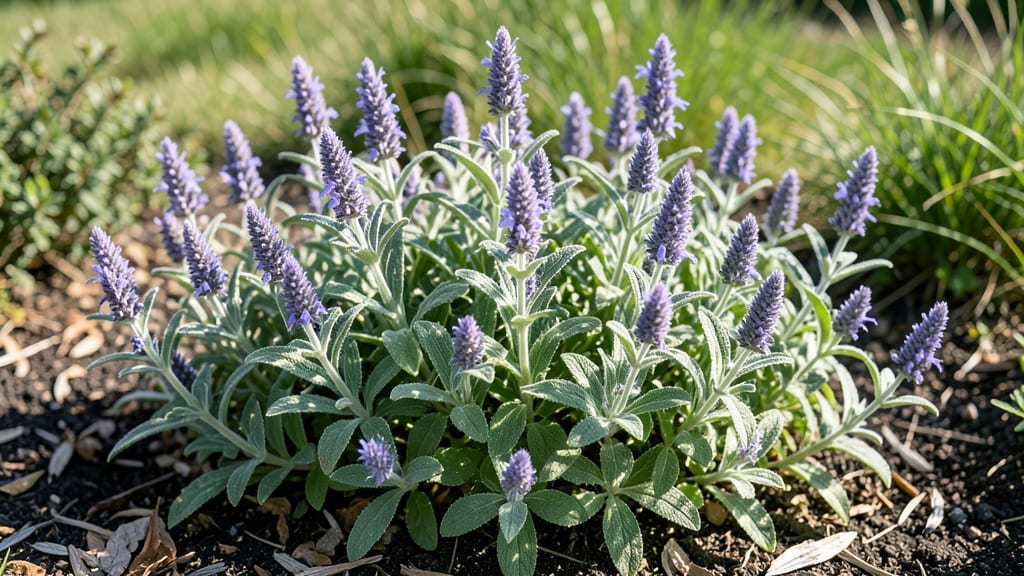
Catmint blooms when the heat arrives—late spring through early fall—but the exact timing depends on your climate and variety. 🌿 My first catmint season taught me that cooler regions see shorter blooms, while warmer zones get reblooms into October.
The key is heat-triggered flowering, not just days in the ground.
For prolonged purple displays, deadhead faded blooms regularly and prune back by one-third after the first flush. Varieties like 'Walker’s Low' bloom longer than 'Whitewalker,' and mulching keeps roots cool for extended flowering. Pair it with lavender or Russian sage for a low-maintenance purple curtain that thrives in full sun.
In northern climates, expect 6-8 weeks of blooms starting in June, while southern gardens may see 10+ weeks of color. The secret to reblooming? Cut back after the first flush—this tricks the plant into thinking winter’s coming, then spring arrives again.
Just avoid heavy pruning after mid-summer or you’ll lose fall blooms.
Design tip: Plant catmint in drifts near pathways where you’ll brush against the fragrant foliage. It’s drought-tolerant once established, so it’s perfect for xeriscapes or pollinator gardens. Just remember—heat loves catmint, but too much shade will stunt its show.
📚 In This Guide
- What you need
- Instructions
- Tips and common mistakes
- Wrapping up and next steps
What you need
- ● Catmint plants – Choose Nepeta varieties like 'Walker’s Low,' 'Six Hills Giant,' or 'Faith' (hardy, heat-loving, and reblooming). Quantity: 1–3 plants per 3–5 sq ft of space.
- ● Well-draining potting mix – A blend of 50% garden soil, 30% compost, and 20% perlite or coarse sand (for containers or in-ground planting). Volume: 1–2 cubic feet per plant.
- ● Slow-release fertilizer – Look for a balanced 10-10-10 or 5-10-5 NPK ratio (organic options like bone meal or worm castings work too!). Amount: 1–2 tbsp per plant at planting time.
- ○ Pruning shears – Sharp, clean shears (sterilize with rubbing alcohol between cuts!). Optional: Bypass pruners for larger stems.
- ● Watering can or hose with a gentle spray nozzle – Catmint hates soggy roots! Aim for deep but infrequent watering (1–1.5 inches per week, less in heat).
- ● Full sun exposure – 6+ hours of direct sunlight daily (morning sun + afternoon shade in scorching climates). Pro tip: If your area gets consistent 90°F+ temps, provide afternoon shade to prevent stress!
- ● Heat tolerance – Catmint thrives in USDA Zones 3–9 and can handle drought once established. ⚠️ Watch for: Wilting or graying leaves in extreme heat (may signal root stress).
- ● Mulch – 2–3 inches of organic mulch (straw, shredded bark, or pine needles) to retain moisture and regulate soil temp. Bonus: Adds a polished look!
- ● Drip irrigation system – Automates watering and reduces stress during bloom time. Flow rate: 0.5–1 gallon per hour per plant.
- ● Compost tea or seaweed extract – A monthly foliar spray (1 tbsp per gallon of water) boosts reblooming vigor. 💡 Pro tip: Apply in the early morning to avoid evaporation!
- ● Garden gloves – Protects hands from Nepeta’s mildly sticky (but harmless) foliage.
How to extend catmint bloom time through strategic heat Management
Here’s how to coax catmint into its second flush of purple blooms—it’s all about timing and temperature.
☀️ Step 1: Prune After First Bloom Fade
Wait until the first flush of flowers finishes and the stems turn woody before cutting back. I like to prune in early summer, around late June, when about 70% of the blooms have dropped. This signals the plant to redirect energy into new growth rather than seed production.
Use clean, sharp shears to trim one-third of the plant’s height, cutting just above a set of healthy leaves. Avoid cutting into old, bare stems—you’ll see these as brown or hollow sections. The goal is to stimulate fresh, leafy growth that will support the next round of flowers.
💧 Step 2: Maintain Consistent Moisture and Heat
Catmint thrives in drought conditions, but for a second bloom, keep soil evenly moist (not soggy) during the 6-8 weeks after pruning. Water deeply once a week if rainfall is light, focusing on the root zone. Overhead watering can encourage fungal issues, so aim for the base.
Heat is the real trigger—catmint needs consistent daytime temperatures above 75°F to rebloom. If your summers are cooler, consider planting in a south-facing spot or using a black plastic mulch to absorb and radiate heat. You’ll see new shoots emerging within 3-4 weeks if conditions are right.
✂️ Step 3: Deadhead and Support New Growth
As the second flush of buds forms, pinch off spent blooms regularly to prevent seed heads from forming. This encourages the plant to focus on producing more flowers instead of seeds. I like to deadhead every 10-14 days during peak bloom, using my fingers to gently twist off faded flowers.
If your catmint starts to flop, stake it lightly with 3-4 inch bamboo stakes tied loosely to the stems. Avoid heavy pruning now—just enough to keep the plant upright and air circulating. The key is balance: enough support to keep it tidy, but not so much that it stresses the plant.
🌿 Step 4: Fertilize Lightly for Extended Blooms
After the second flush of flowers appears, apply a low-nitrogen, high-phosphorus fertilizer (like a 5-10-5 blend) to encourage more blooming. I use about ½ teaspoon per plant, worked into the top inch of soil. Too much nitrogen will promote leafy growth at the expense of flowers.
Stop fertilizing by mid-August to allow the plant to harden off for winter. Catmint is hardy, but late-season feeding can lead to soft, tender growth that’s more susceptible to frost damage. You’ll know you’ve done it right when your plant produces another 4-6 weeks of vibrant purple blooms before winter sets in.
Tips & tricks for perfect catmint reblooming
A few strategic tweaks can transform your catmint from a one-time bloomer into a vibrant, long-lasting purple powerhouse.
Pruning Precision: When you're ready to prune in late June, focus on cutting just above a set of healthy leaves—not into bare stems. This small detail makes all the difference in stimulating fresh growth. I always check for that telltale brown or hollow section to avoid cutting into old wood, which can stress the plant instead of encouraging new blooms. The goal is to create a fresh, leafy base that will support the next round of flowers.
Heat Management: The 75°F threshold isn't just a number—it's the magic temperature that triggers reblooming. If your summers are cooler, consider using black plastic mulch around the base to absorb and radiate heat. You'll notice new shoots emerging within 3-4 weeks if conditions are right, so patience pays off here. For container-grown catmint, move pots to a sunny spot during the day and bring them indoors at night if temperatures drop below 70°F.
Deadheading Timing: The every-10-14-day deadheading schedule might seem frequent, but it's worth it. I've found that using your fingers to gently twist off faded flowers is more effective than snipping—it prevents accidental damage to new buds. This regular maintenance keeps the plant focused on producing more flowers rather than seeds, extending your purple display by weeks. Think of it as giving your catmint a gentle nudge to keep blooming.
Fertilizer Strategy: That ½ teaspoon of low-nitrogen, high-phosphorus fertilizer might seem like a small amount, but it's perfect for encouraging blooms rather than leafy growth. I always work it into the top inch of soil rather than sprinkling on top—this ensures the roots get the nutrients they need without overwhelming the plant. And remember, stopping by mid-August is crucial to prevent tender new growth that won't survive winter.
Pro Tips for Catmint Bloom Time
- A few strategic tweaks can transform your catmint from a one-time bloomer into a vibrant, long-lasting purple powerho...
- Pruning Precision: When you're ready to prune in late June, focus on cutting just above a set of healthy leaves—not i...
- Heat Management: The 75°F threshold isn't just a number—it's the magic temperature that triggers reblooming. If your ...
Frequently asked questions
Got questions about catmint’s heat-triggered purple rebloom? You’re not alone! Here are answers to the most common queries—from timing tips to troubleshooting tricks.
When exactly does catmint bloom after heat?
Catmint typically blooms 6–8 weeks after consistent daytime temps reach 70°F+. Early summer heat (June–July) often triggers the first flush, with reblooms peaking in late summer to early fall (August–September). Deadheading spent blooms encourages more flowers!
Why isn’t my catmint reblooming this year?
Reblooming may stall due to overcrowding, poor drainage, or lack of sunlight. Check for:
- Thinning plants if they’re too dense
- Ensuring 6+ hours of direct sun daily
- Well-draining soil (catmint hates soggy roots!)
Can I force an earlier bloom?
While you can’t force heat, you can mimic ideal conditions:
- Move potted catmint to a sunnier spot
- Water deeply but infrequently (drought-tolerant plants bloom better when slightly stressed)
- Avoid heavy pruning before June—save it for after the first bloom to encourage reblooms.
What’s a good alternative if catmint blooms late?
If your climate delays catmint’s bloom, try these heat-loving, long-blooming alternatives:
Plant
Bloom Time
Height
Lavender
June–September
1–3 ft
Russian Sage
July–October
3–5 ft
Salvia (Perovskia)
June–October
2–4 ft
How (and when) should I prune catmint for reblooms?
Prune after the first bloom (late June–July) to encourage reblooms:
- Cut back 1/3 of the plant to shape and remove leggy stems.
- Avoid heavy pruning in fall—let foliage die back naturally for winter hardiness.
- Deadhead regularly (pinch off faded blooms) to redirect energy to new flowers.
Wrapping up and next steps
Catmint’s heat-triggered purple rebloom is a gardener’s dream—packed with low-maintenance charm and stunning visual appeal. By mastering its bloom time (late spring to early fall, with peaks in summer heat) and following simple care tips, you’ll enjoy months of fragrant, butterfly-friendly blooms. 🌸
Ready to transform your garden? Start by planting catmint in full sun and pruning lightly after each bloom cycle. Then, sit back and enjoy the show—your garden (and pollinators!) will thank you. Happy gardening! 🌿