
Blooming
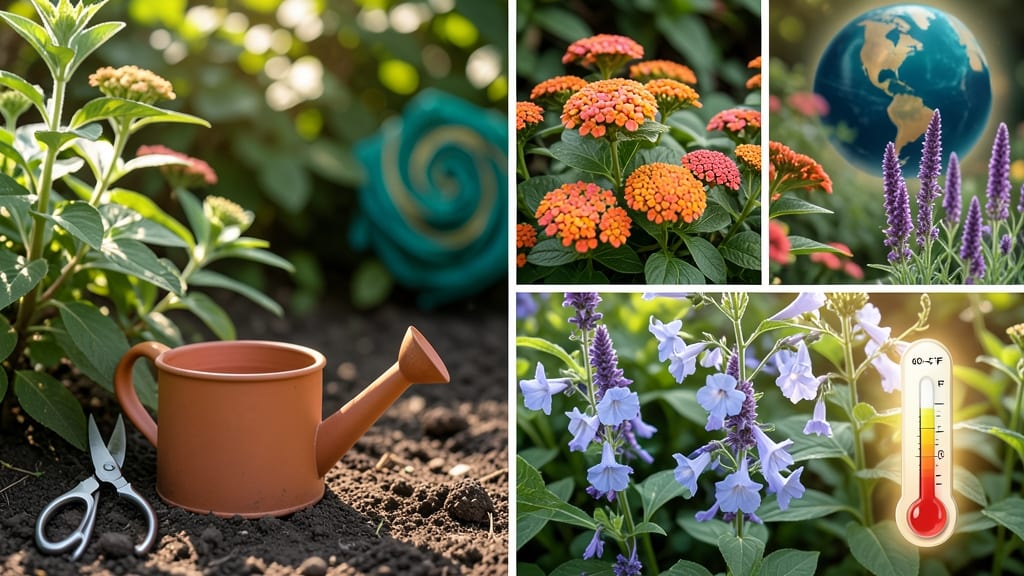
Perennial flowers that bloom all year require frost-free conditions like USDA Zones 10-12, where tropical varieties such as hibiscus, bougainvillea, and plumbago shine year-round. In cooler climates, strategic layering with hellebores, lavender, and other hardy perennials creates extended seasonal interest.
Year-round blooming isn't just about tropical climates—it's about matching the right plants to their ideal growing conditions. 🌸 In warmer zones, hibiscus and bougainvillea thrive with minimal care, while in milder climates, hellebores and lavender provide early and late-season color.
The key is understanding each plant's native habitat: tropical varieties need consistent warmth, while temperate perennials can handle cooler snaps. I've found that combining both types in layered garden beds creates continuous visual appeal, even when some plants rest between seasons.
For example, lantana and salvia handle heat beautifully, while heuchera and sedum offer winter interest in cooler areas. The secret lies in observing your local microclimate—sun exposure, soil drainage, and wind patterns all play crucial roles.
Many gardeners I know swear by creating "bloom waves" where one plant fades just as another takes over, ensuring no bare patches ever appear.
💡 In This Article
- Climate Zones That Enable Year-Round Perennial Blooms
- Top 5 Perennials for Nonstop Color in Different Climates
Climate zones that enable year-round perennial blooms
Year-round flowering perennials thrive primarily in USDA Zones 10-12 because these areas maintain average winter temperatures between 30°F and 40°F—never dropping below 20°F for extended periods. This warmth prevents dormancy cycles that trigger most temperate perennials to rest during winter.
Tropical varieties like hibiscus and bougainvillea evolved in environments where frost never occurs, making them ideal for these zones. Their biological clocks don't recognize seasonal changes, so they continue producing flowers as long as light and moisture conditions remain favorable.
The key factor is frost sensitivity—even a single 28°F night can damage delicate tropical perennials, while hardy varieties like hellebores can withstand -10°F temperatures. In Zones 9 and below, gardeners must choose perennials with staggered bloom times to create visual continuity.
For example, hellebores bloom in late winter, while lavender often flowers in early summer, creating a 6-month color span when combined with spring bulbs like daffodils. The science behind this involves photoperiodism—the plant's response to daylight length—which triggers flowering in many perennials.
Light exposure plays an equally critical role. Tropical perennials typically require 6+ hours of direct sunlight daily to maintain vigorous growth and continuous blooming. In contrast, many temperate perennials can thrive with 4-6 hours of sun, making them more adaptable to partial shade conditions.
The trade-off? Shadier conditions may reduce flowering intensity. I've observed that even in frost-free zones, plants growing in morning sun with afternoon shade often produce more blooms than those in full, hot afternoon sun, which can stress tropical varieties.
Microclimates create exceptions to these general rules. Coastal areas in Zone 8 sometimes achieve year-round blooms for certain perennials due to milder coastal temperatures and higher humidity that reduces frost risk. For instance, rosemary and olive trees can survive winters in Zone 8 coastal gardens when planted near heat-retaining walls.
Conversely, inland areas in Zone 10 may experience occasional 25°F dips that damage tropical plants unless protected with frost cloths or moved to containers that can be sheltered.
Soil temperature matters just as much as air temperature. Most tropical perennials prefer soil that stays above 60°F year-round. In cooler zones, gardeners can create "warm pockets" using black mulch or heat-absorbing stones to extend growing seasons.
The result? Even in Zone 7, you might coax an extra 2-3 months of blooming from heat-loving perennials like salvia or lantana by planting them near south-facing walls or using raised beds with added compost for insulation.
What most gardeners don't realize is that humidity levels also affect continuous blooming. Tropical perennials often require 50-70% humidity to prevent bud drop and maintain vibrant colors. In arid climates like Zone 10 deserts, supplemental misting or grouping plants together creates microclimates with higher humidity, encouraging more prolific flowering.
This is why you'll often see tropical perennials thriving in container gardens—the soil retains more moisture longer than open ground.