
Blooming
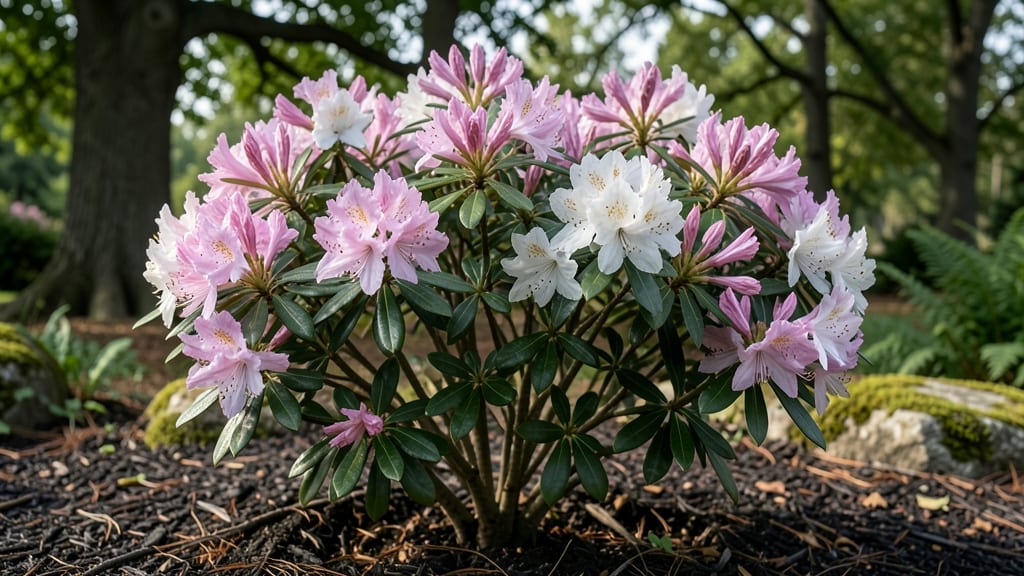
Azaleas in Michigan bloom between late April and early June, with timing influenced by frost dates and regional microclimates.
Michigan's azalea blooming season varies dramatically across the state, with southern regions like Ann Arbor and Detroit often seeing flowers as early as mid-April, while northern areas like Traverse City may wait until late May. 🌸 The key factor is frost sensitivity—most azaleas need consistent temperatures above 50°F for at least two weeks before blooming.
I've found that Rhododendron canadense varieties tend to be the hardiest, often pushing through early frosts to bloom earlier than their southern counterparts.
What makes Michigan's azalea season particularly interesting is the interplay between soil conditions and cultivar selection. Acidic, well-draining soil (pH 4.5-6.0) is essential for healthy blooms, while choosing late-season varieties like Exbury hybrids can extend your viewing window by several weeks.
For gardeners, this means strategic planting—placing frost-sensitive varieties on south-facing slopes where they warm up faster can make all the difference.
💡 In This Article
- Factors Affecting Michigan Azalea Bloom Times
- Best Azalea Varieties for Michigan Gardens
Factors affecting Michigan azalea bloom times
Michigan's azalea blooming season is primarily governed by last frost dates, which vary dramatically across the state's USDA hardiness zones 4-6.
In southern Michigan (zones 5-6), where cities like Detroit and Ann Arbor experience average last frost dates between April 10-15, azaleas often begin blooming as early as mid-April.
Meanwhile, northern regions like Traverse City (zone 5b) typically see their last frost around May 1-10, delaying blooms until late May or early June. 🌸 This 2-3 week difference creates a stunning progression of color from south to north.
The critical threshold for azalea blooming is consistent temperatures above 50°F for at least 10-14 days, which triggers the flower buds to open. However, what most gardeners don't realize is that azaleas also require chilling hours—typically 500-1,000 hours below 45°F—during winter dormancy to set buds properly.
Michigan's variable winters, where warm spells can interrupt chilling, sometimes result in uneven blooming or reduced flower production. For example, the 2021-2022 winter saw minimal chilling in southern Michigan, leading to noticeably smaller blooms in many gardens.
Soil conditions play an equally important role in bloom timing. Azaleas thrive in acidic soil (pH 4.5-6.0), which is rare in Michigan's naturally alkaline soils. Without proper soil preparation—often requiring 2-3 years of organic matter amendment—plants may struggle to absorb nutrients, delaying blooming by 1-2 weeks.
The drainage factor is equally critical: Waterlogged roots prevent the plant from focusing energy on flower production. In my own garden, I've found that amending soil with pine bark fines and peat moss creates the ideal environment for consistent blooming.
Azalea varieties themselves exhibit significant bloom timing differences. Early bloomers like Rhododendron canadense (wild azalea) often flower in late April to early May and can tolerate light frosts, while later varieties such as Exbury hybrids may wait until June but produce larger, more vibrant blooms.
The Girard's hybrids strike a balance, typically blooming in mid-May with excellent frost resistance. This variety diversity allows Michigan gardeners to create extended bloom seasons from April through June.
Another critical factor is microclimates—small-scale variations in temperature and moisture that can create significant differences even within a single neighborhood. South-facing slopes, for instance, warm up 3-5°F faster than north-facing areas, potentially advancing bloom times by 5-7 days.
I've observed this firsthand in my zone 5b garden, where azaleas planted on a south-facing hill bloomed 10 days earlier than identical plants in a shaded valley. This microclimate effect explains why some Detroit gardens see blooms in early April while others nearby wait until May.
For gardeners looking to maximize bloom times, strategic planting and protective measures can make a significant difference. Covering tender buds with frost cloth during late frosts (common until May 15 in many areas) can preserve blooms and extend the season by 1-2 weeks.
Additionally, choosing late-blooming varieties like Girard's 'Coral Bells' ensures color even after early bloomers have faded. The result? A 6-week azalea season instead of the typical 3-4 weeks.