Blooming
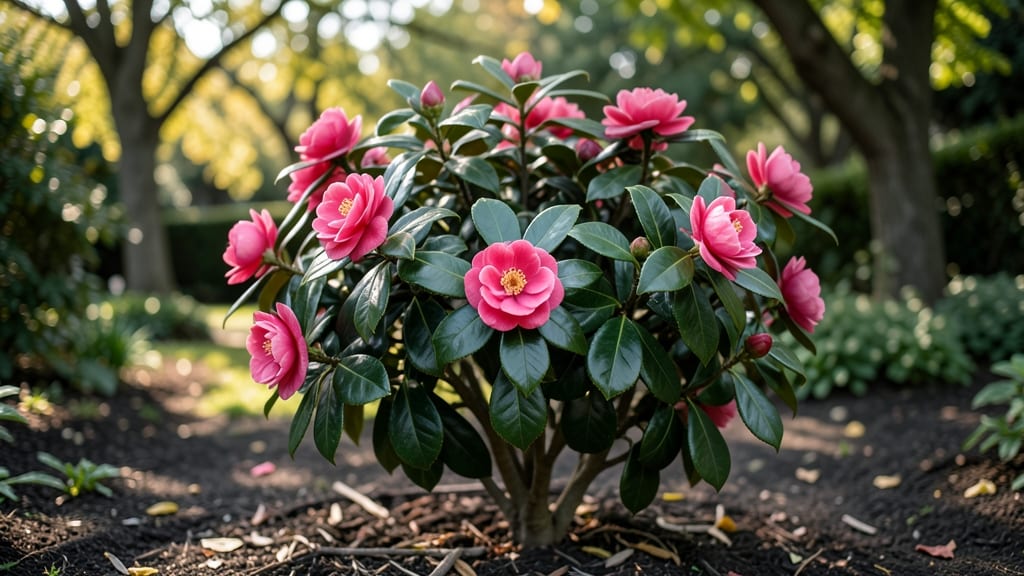
Camellias bloom in North Carolina from late fall through early spring, with Sasanqua varieties lighting up gardens as early as October and Japonica types following in February or March.
North Carolina’s mild winters and humid summers create the perfect conditions for stunning camellia blooms—but timing is everything. If you’ve ever wondered why your camellias bloom later than your neighbor’s, the answer lies in frost resistance, variety selection, and microclimates across the state.
Coastal areas like Wilmington often see blooms 2-3 weeks earlier than the Piedmont, while mountainous regions like Asheville may delay until late winter. Choosing the right variety for your zone—like Clemson Spirit for reblooming or Yuletide for holiday color—can make all the difference.
Below, I break down bloom windows by variety, how to predict your first flowers, and 5 pro tips to extend their display—so you can plan your garden visits and care routine like a pro.
NC camellia blooming seasons by variety type (frost-resistant guide)
North Carolina’s camellia blooming seasons vary dramatically depending on the variety type and your USDA zone. While coastal areas like Wilmington (Zone 8a) enjoy year-round mild winters, inland cities like Asheville (Zone 6b) face earlier frost risks.
Understanding these differences helps you select frost-resistant varieties that align with your local climate. Let’s break down the blooming windows for NC’s most popular camellias.
Most gardeners focus on two primary camellia types: Sasanqua (fall/winter bloomers) and Japonica (late winter/early spring). Sasanqua camellias are your best bet for fall color and winter interest, while Japonica varieties deliver dramatic spring displays.
However, frost sensitivity plays a critical role—some varieties can handle 15°F dips, while others need protection at 28°F.
The comparison below highlights bloom timing, frost tolerance, and USDA zone suitability for NC’s top camellia varieties. Use this as your guide to plan garden visits, pruning schedules, and winter protection.
If you live in Zone 7 or colder (like the Blue Ridge Mountains), prioritize Sasanqua varieties like 'Yuletide' or 'Kiri' for fall/winter blooms. These hardy types can handle colder temperatures and often bloom earlier in the season compared to Japonicas.
For coastal NC gardeners (Zones 8-9), even Japonica varieties like 'Nuccio’s Gem' thrive, with blooms stretching from January through April.
Pro tip: Microclimates matter. A south-facing slope in Asheville might push blooms 2-3 weeks earlier than a north-facing yard. Monitor soil temperature—camellias typically need 50°F soil temps
How to predict your camellia’s first bloom date using microclimates
North Carolina’s diverse geography means your camellia’s first bloom could arrive months earlier—or later—than your neighbor’s. The Piedmont region often sees blooms as early as late November, while mountain zones like Asheville may wait until February.
Understanding your local microclimate is key to setting realistic expectations and planning your garden visits.
Microclimates in NC are shaped by elevation, proximity to water, and urban heat islands. Coastal areas like Wilmington benefit from warmer winters and can expect Sasanqua camellias to bloom from October through December.
Meanwhile, inland valleys may experience delayed blooms due to colder nighttime temperatures. Even a 500-foot elevation change can shift bloom timing by weeks.
| NC Region | Avg. First Bloom Window | Key Microclimate Factor | Soil Temp Cue |
|---|---|---|---|
| Coastal (Wilmington) | October 15 - December 15 | Moderate winters, salt spray | 55°F+ for 3+ weeks |
| Piedmont (Raleigh) | November 1 - January 15 | Urban heat islands | 50°F+ for 4+ weeks |
| Mountains (Asheville) | January 15 - February 28 | Cold air pockets | 45°F+ for 5+ weeks |
| Valleys (Boone) | February 1 - March 15 | Frost pockets | 40°F+ for 6+ weeks |
To refine your prediction, monitor soil temperature at the root zone. Use a soil thermometer to track when temperatures consistently stay above 50°F (10°C) for your region. In the Piedmont, this typically happens by mid-October, while mountain areas may not reach this threshold until late December.
The NC State Climate Office’s historical frost data (available online) can also help—look for the 32°F threshold that triggers dormancy in many varieties.
For gardeners in transition zones (like the Sandhills), consider planting Sasanqua hybrids that bloom earlier. These varieties often flower in fall and winter, while Japonica types typically wait for spring warmth.
Even within the same yard, a north-facing camellia may bloom 2-3 weeks later than one planted on a south-facing slope.
Pro tip: Mark your calendar when you see buds begin swelling—this is your plant’s signal that it’s ready to bloom. In NC’s Zone 7b, this usually occurs 6-8 weeks before the first flowers appear.
Combine this with your local frost date data to plan pruning and fertilizing for optimal bloom timing each year.
Remember, even within the same microclimate, individual plants can vary by 1-2 weeks based on age, health, and care. The key is to observe your own camellias over multiple seasons to build your own predictive model.
With time, you’ll become an expert at reading your plant’s unique bloom cues—just like the pros!