
Blooming
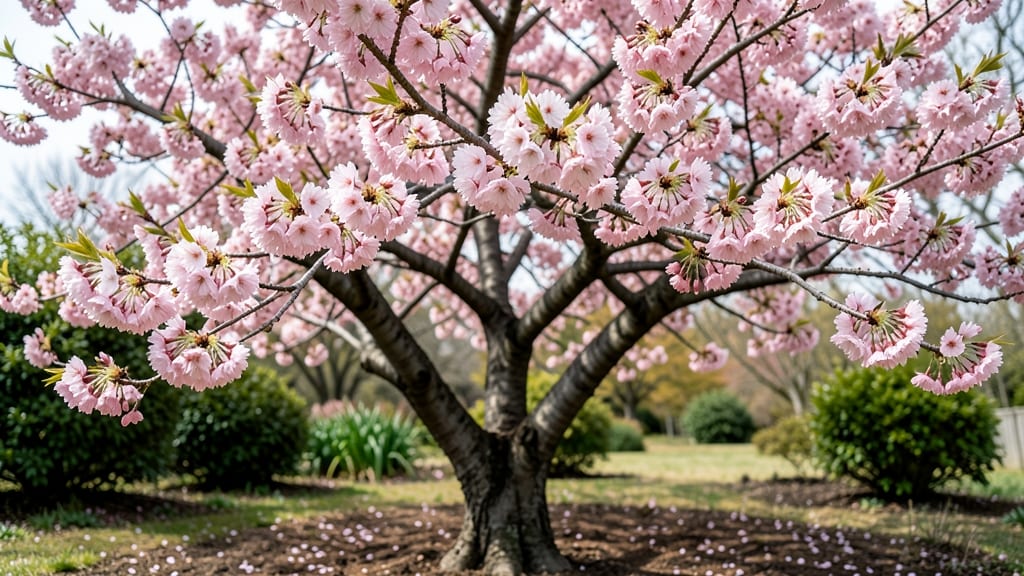
Michigan cherry blossoms bloom between late April and early May, with southern areas like Detroit seeing flowers as early as late April, while northern regions near Traverse City may wait until early May. Some late varieties can even bloom into June.
Michigan's cherry blossom season is a stunning spectacle that shifts with geography and tree types.
The state's varied climate means Detroit's urban parks often burst into bloom 1-2 weeks earlier than northern gardens like those in Traverse City, where cooler springs delay flowering. 🌸 I've noticed that 'Kanzan' trees—known for their vibrant pink blooms—are the first to open, sometimes as early as mid-April in sheltered microclimates, while weeping varieties like 'Taff's Light' may linger into late May.
This timing creates a rolling wave of color across the state that lasts nearly two months.
What makes Michigan's blooms particularly special is how regional differences create unique viewing experiences. Southern gardens like Belle Isle in Detroit typically offer peak bloom conditions during late April to early May, while northern spots such as Interlochen's gardens may not reach full bloom until early June.
The key factor? Nighttime temperatures—consistent nights above 40°F trigger blossoming, which explains why urban heat islands often see earlier blooms than rural areas.
💡 In This Article
- Michigan Cherry Blossom Bloom Timing by Variety
- Best Regions in Michigan for Cherry Blossom Viewing
Michigan cherry blossom bloom timing by variety
Michigan's cherry blossom season unfolds like a botanical clock, with each cultivar responding to temperature cues differently. The earliest bloomers, like the iconic 'Kanzan', typically open their buds when daytime temperatures consistently reach 60°F after a period of dormancy.
This variety often starts blooming in mid-April in Detroit's urban heat islands, where concrete and buildings create microclimates 5-10°F warmer than surrounding areas. The blooms last about 10-14 days, creating a vibrant pink canopy that attracts thousands of visitors.
For white blossom varieties like 'White Cascade', the timing shifts slightly later—usually late April to early May—because their genetic makeup requires slightly cooler nighttime temperatures (45-50°F) to trigger flowering.
What's fascinating is how these trees use a process called vernalization: they need prolonged exposure to cold winter temperatures to "reset" their biological clocks. Without adequate chilling hours (typically 800-1,000 hours below 45°F), some varieties may fail to bloom entirely or produce sparse flowers.
This explains why northern Michigan gardens sometimes see delayed or uneven blooming patterns.
The late bloomers, such as 'Autumnalis' (also called "autumn cherry"), defy expectations by flowering in June or even July—sometimes even after the first frost.
These trees have a genetic mutation that makes them less sensitive to photoperiod (day length), allowing them to bloom when most other varieties have already shed their petals. The trade-off?
Their flowers are often smaller and less showy, but they provide a second bloom season that extends Michigan's cherry blossom viewing window by nearly two months. 🌸
Temperature fluctuations play a critical role in bloom timing. A sudden cold snap (below 32°F) can damage buds that haven't opened yet, while warm spells in winter may trick trees into blooming prematurely—only to have the flowers killed by late frosts.
This is why gardeners in northern Michigan often plant multiple varieties to ensure some blooms will survive whatever spring throws at them. The 'Stella Rosa' variety, for example, has proven particularly resilient in these conditions, blooming reliably in early to mid-May across most of the state.
What most people don't realize is how soil conditions affect bloom timing. Trees planted in well-draining, slightly acidic soil (pH 6.0-6.5) tend to bloom 1-2 weeks earlier than those in heavy clay soils, which retain cold longer.
This is why urban parks with amended soil often see earlier blooms than natural areas. The combination of proper soil preparation, variety selection, and microclimate awareness can shift bloom windows by up to three weeks—a crucial consideration for both gardeners and visitors planning their spring outings.
Consider these key factors when choosing varieties for your garden:
- Cold hardiness: 'Kanzan' and 'Stella Rosa' can survive -20°F winters, while 'White Cascade' prefers milder zones (-10°F)
- Bloom duration: 'Kanzan' (10-14 days) vs. 'Autumnalis' (30+ days with possible second bloom)
- Color preferences: 'Pink Perfection' offers double blooms, while 'Shirotae' provides pure white flowers