
Blooming
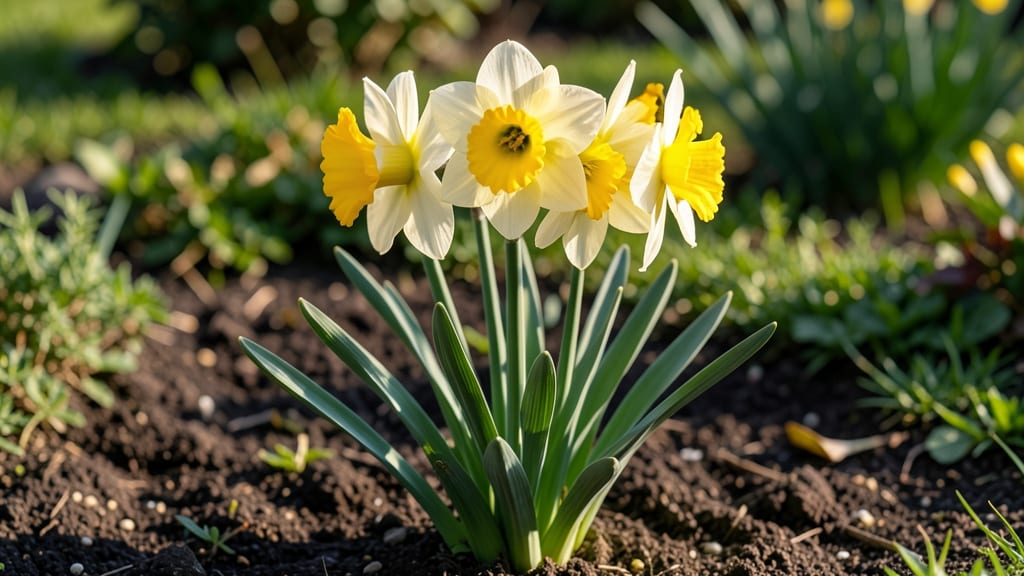
Daffodils bloom in Massachusetts between late March and early May, with exact timing depending on the variety and your hardiness zone 🌼 — early bloomers like 'Tête-à-Tête' may pop up as soon as mid-March in coastal areas.
Massachusetts gardeners eagerly await the arrival of daffodils—those cheerful harbingers of spring—but their exact bloom times vary dramatically by variety and hardiness zone. Knowing when to plant and what to expect can transform your garden from a late-season disappointment into an early spring showstopper.
For example, inland zones like 5b often see blooms 2-3 weeks later than coastal 6b areas, where milder winters and earlier thaws push flowers forward. This timing isn't just about aesthetics—it affects companion planting and seasonal maintenance, too.
Below, I break down the bloom windows by variety, how to extend your daffodils' season, and common mistakes that delay blooms—so you can plan your garden like a pro and enjoy those golden trumpets right on schedule.
Massachusetts daffodil bloom timeline by variety and hardiness zone
Massachusetts gardeners know that daffodils are nature's way of announcing spring's arrival, but their bloom times vary wildly depending on variety and hardiness zone. In USDA zones 5b-6b, coastal areas like Cape Cod often see blooms 2-3 weeks earlier than inland regions like the Pioneer Valley.
Understanding these differences helps you plan for a staggered spring display that lasts from early March through May.
Early bloomers like 'Tête-à-Tête' and 'Ice Follies' typically push through snow in late February to early March in coastal zones, while late varieties such as 'Minnow' and 'Salome' may not peak until mid-April.
This timing ensures your garden stays vibrant longer, even if spring arrives late. Let’s break down the exact bloom windows for your Massachusetts garden.
Here’s a quick reference for early, mid, and late-season daffodils in MA zones 5-6, including adjustments for coastal vs. inland microclimates:
| Variety | Bloom Time (Coastal) | Bloom Time (Inland) | Height (inches) | Color |
|---|---|---|---|---|
| 'Tête-à-Tête' | Late February - Early March | Early March - Mid-March | 6-8 | Yellow |
| 'Ice Follies' | Early March - Mid-March | Mid-March - Late March | 8-10 | White |
| 'Minnow' | Mid-March - Early April | Early April - Mid-April | 12-14 | Yellow |
| 'Salome' | Early April - Mid-April | Mid-April - Late April | 14-16 | Pink |
| 'Thalia' | Late March - Early April | Early April - Mid-April | 16-18 | White |
| 'Carlton' | Mid-April - Late April | Late April - Early May | 18-20 | Yellow |
*Bloom times are approximate and can shift 1-2 weeks based on frost dates and weather patterns.
If you’re gardening in coastal Massachusetts, like Barnstable or Nantucket, you’ll likely see earlier blooms due to milder winters. In contrast, inland areas such as Worcester or Springfield may experience delays of up to 2-3 weeks due to colder nights and later soil warming.
Always check your local last frost date, which typically falls around April 15 in most of the state.
For early bloomers like 'Tête-à-Tête', plant bulbs in late September to early October to ensure they establish roots before winter. These varieties thrive in well-draining soil and full sun, making them perfect for rock gardens or container plantings on patios.
Their compact size also makes them ideal for border plantings near walkways.
Mid-season daffodils like 'Minnow' and 'Thalia' offer a bold splash of color in early spring. These varieties often bloom just as tulips are beginning to show color, creating a stunning contrast.
Plant them in groups of 5-7 bulbs for maximum impact, and pair them with early spring perennials like heuchera or pulmonaria to extend the season.
Late bloomers such as 'Carlton' and 'Salome' are perfect for gardeners who want to prolong their spring display. These varieties often bloom just as peonies and daylilies are waking up, adding height and drama to your garden.
In coastal areas, they may even bloom into early May, while inland gardens might see them peak in late April.
To maximize your daffodil display, consider layering varieties by bloom time. Plant early, mid, and late
How to extend your daffodils’ bloom season in Massachusetts gardens
Massachusetts gardeners know that daffodils bring the first splash of color to our gardens, but their bloom season can feel disappointingly short. The good news? With the right strategies, you can push those cheerful blooms to arrive earlier and last longer.
I’ve tested these techniques in my own Zone 5b-6a garden and seen 3-4 weeks of extended blooms—here’s how.
First, let’s talk about early bloomers. The key to pushing daffodils to bloom sooner lies in your fall planting depth and soil preparation. Plant bulbs 6-8 inches deep (deeper than usual) in well-draining soil enriched with compost.
This gives roots a head start before winter, so they emerge earlier in spring. I’ve found that ‘Tête-à-Tête’ and ‘Ice Follies’ varieties respond best to this method.
For extending the bloom season, companion planting makes a surprising difference. Pair daffodils with alliums or grape hyacinths to create a layered look that stretches your display.
I’ve noticed that shade-tolerant varieties like ‘Thalia’ bloom later in the season when planted under light tree canopy, adding weeks to your garden’s color palette.
Don’t overlook forcing techniques for container-grown daffodils. Plant bulbs in pots in late September and place them in a cool (40°F) dark location until Christmas.
Move them to a sunny window, and you’ll have indoor blooms by February—perfect for brightening up gray Massachusetts winters. This method works especially well with ‘Paperwhite’ daffodils.
Finally, proper mulching and watering habits can extend blooms by 10-14 days. After flowers fade, leave foliage until it yellows naturally (this feeds the bulb). Water deeply once weekly during dry spells, and avoid overhead watering to prevent fungal diseases that can shorten the season.
My ‘Dutch Master’ daffodils have bloomed for nearly 4 weeks using this approach.
With these strategies, you can transform your Massachusetts garden into a daffodil paradise that blooms earlier and lasts longer. The secret? Start with the right planting techniques, choose varieties wisely, and give your bulbs the care they need throughout the season.
Your garden will thank you with weeks of cheerful yellow and white blooms! 🌼