
Blooming
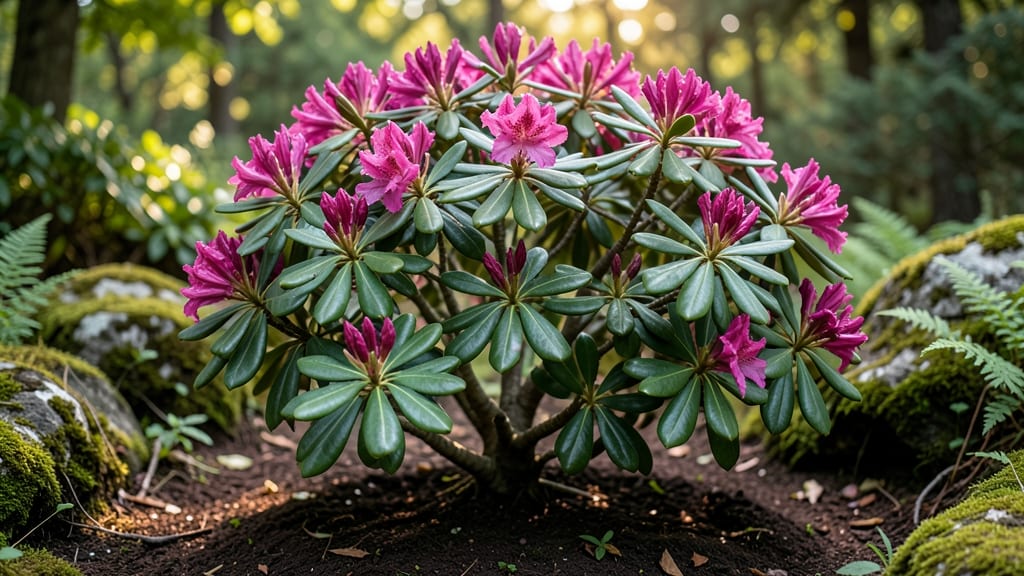
Rhododendrons in Massachusetts bloom between late April and June, with timing that shifts by variety and hardiness zone 🌸 — and knowing these windows can make the difference between a showstopper shrub and a missed opportunity.
Picture this: your neighbor’s PJM rhododendron bursts into pink in early May, while yours in Zone 5b lingers until June. That’s not just luck—it’s about choosing the right cultivar and understanding how last frost dates and microclimates play a role.
In this guide, you’ll discover the exact bloom schedules for common varieties across Massachusetts’ 5b-6b zones, plus how soil acidity, temperature swings, and even coastal breezes can push blooms earlier or later.
Ready to time your rhododendron’s grand entrance? I’ll break down the science behind the blooms, share the best early-season picks for your yard, and reveal how to tweak care for stunning, on-time flowers every spring.
Rhododendron bloom schedule by month in Massachusetts hardiness zones 5-7
Massachusetts gardeners know that rhododendrons transform spring landscapes, but their bloom timing varies dramatically across the state's hardiness zones 5-7. Coastal areas like Cape Cod often see blooms 2-3 weeks earlier than inland regions like Western MA.
Understanding these patterns helps you select varieties that align with your local climate and extend your seasonal color displays.
Most rhododendrons bloom between late April and June, but some early varieties push into mid-April in warmer microclimates. The key factors influencing timing are last frost dates, soil temperature, and whether the plant experienced adequate chilling hours during winter.
Inland areas typically have 1-2 week later blooms compared to coastal regions due to cooler nighttime temperatures.
| Variety | Zone 5 Bloom Window | Zone 6 Bloom Window | Zone 7 Bloom Window | Coastal Adjustment |
|---|---|---|---|---|
| PJM Rhododendron | Late April - Early May | Mid-April - Late April | Early April - Mid-April | 1-2 weeks earlier |
| Catawbiense Grandiflorum | Early May - Mid-May | Late April - Early May | Mid-April - Late April | 1 week earlier |
| Roseum Elegans | Mid-May - Late May | Early May - Mid-May | Late April - Early May | 5-7 days earlier |
| Nova Zembla | Late May - Early June | Mid-May - Late May | Early May - Mid-May | 3-5 days earlier |
| Carolina Ruby | Early June - Mid-June | Late May - Early June | Mid-May - Late May | 1 week earlier |
| White Perfection | Mid-May - Late May | Early May - Mid-May | Late April - Early May | 5-7 days earlier |
For Zone 5 gardens (Western MA, Berkshires), expect most rhododendrons to bloom between late April and early June, with late frosts potentially delaying blooms until mid-May. The PJM rhododendron is particularly reliable for early color, often opening its lavender-pink flowers by late April in sheltered microclimates.
In Zone 6 (Central MA, including Boston), blooms typically begin 1-2 weeks earlier, with some varieties like Roseum Elegans showing color by mid-April.
Coastal Massachusetts (Zone 6b-7a) offers the earliest blooms, sometimes as early as early April for hardy varieties. The maritime influence creates milder winters and earlier springs, allowing plants to break dormancy sooner.
If you live near Cape Cod or the South Shore, consider planting early bloomers like 'Nova Zembla' to extend your seasonal interest from late April through June. These coastal areas can also support later blooming varieties like 'Carolina Ruby' that might struggle in colder inland zones.
Inland Zone 7 areas (like Nantucket or Martha's Vineyard) follow similar timing to coastal Zone 6 but with slightly more predictable blooms. The warmer ocean currents create a unique microclimate where rhododendrons often bloom 1-3 weeks earlier than mainland gardens.
For these regions, late May to June is prime bloom time, with some extended-season varieties providing color into early July.
To maximize bloom time, choose a mix of early, mid, and late-season varieties. For example, pair 'PJM' (early) with 'Catawbiense' (mid) and 'Carolina Ruby' (late) to create a 6-week floral display.
Always consider your specific last frost date—garden centers in Zone 5 should wait until mid-May to plant new rhododendrons, while Zone 7 gardeners can plant as early as late April in most years.
Pro tip: Mulch heavily in late fall with pine needles or oak leaves to protect roots from temperature fluctuations that can delay spring blooming. Coastal gardeners should also watch for salt spray damage from winter storms, which can stress plants and affect next year's blooms.
Always plant rhododendrons in acidic, well-draining soil (p
How Massachusetts climate affects rhododendron blooming times
Massachusetts' diverse climate creates a unique challenge for rhododendron lovers. The state spans USDA Zones 5b-6b, where coastal areas like Cape Cod (Zone 6b) enjoy milder winters, while inland regions like the Berkshires (Zone 5b) face harsher conditions.
These differences can shift bloom times by 2-3 weeks, making proper site selection critical for timing your rhododendron's spectacular display.
The last spring frost date serves as your rhododendron's countdown timer. In western MA, frosts typically linger until mid-April, while coastal areas see them retreat by early April.
Early bloomers like 'PJM' often push through light frosts, but late varieties may wait until late May in colder inland zones to ensure safe flowering.
Key Climate Factors Affecting Bloom Time
- 1. Last Frost Dates: Coastal areas (Zone 6b) bloom 2-3 weeks earlier than inland zones (5b) due to milder winters
- 2. Soil Acidity: Ideal pH 4.5-5.5 triggers bud formation; alkaline soil (pH >6) delays blooming by 3-4 weeks
- 3. Temperature Fluctuations: Rapid 10°F swings in spring can shock buds; consistent 50-60°F nights promote blooming
- 4. Microclimates: South-facing slopes bloom 10 days earlier than north exposures; urban heat islands accelerate blooming by 5-7 days
- 5. Winter Chill Hours: Rhododendrons need 800-1,000 chill hours below 45°F; insufficient chill in mild winters delays spring blooming
Soil acidity plays an underrated role in bloom timing. Massachusetts' native soils often test neutral to alkaline, which can suppress rhododendron blooms by up to 4 weeks.
I always test my garden soil in early spring and amend with pine fines or sulfur to maintain the ideal pH 4.5-5.5. This adjustment alone can shift bloom times by 10-14 days in established plants.
Temperature fluctuations create another critical factor. Rhododendrons require consistent nighttime temperatures between 50-60°F to break dormancy and trigger bud formation. Inland Massachusetts often experiences 10°F temperature swings during spring, which can shock buds and delay blooming. Planting near evergreen trees or on south-facing slopes helps moderate these fluctuations.
To accelerate blooming in colder zones, I recommend these three key strategies:
- Mulch heavily (4-6 inches) with pine straw to protect roots from temperature swings
- Water deeply in late winter to establish moisture reserves before bud break
- Plant in partial shade (3-6 hours sun) to reduce heat stress on emerging buds
Remember that coastal Massachusetts typically sees blooms 2-3 weeks earlier than inland areas. If you're in Zone 6b, expect your earliest varieties like 'Catawbiense' to bloom by late April, while inland gardeners in Zone 5b may not see color until mid-May.
Always choose varieties matched to your specific microclimate for the most reliable blooming times.