
Blooming
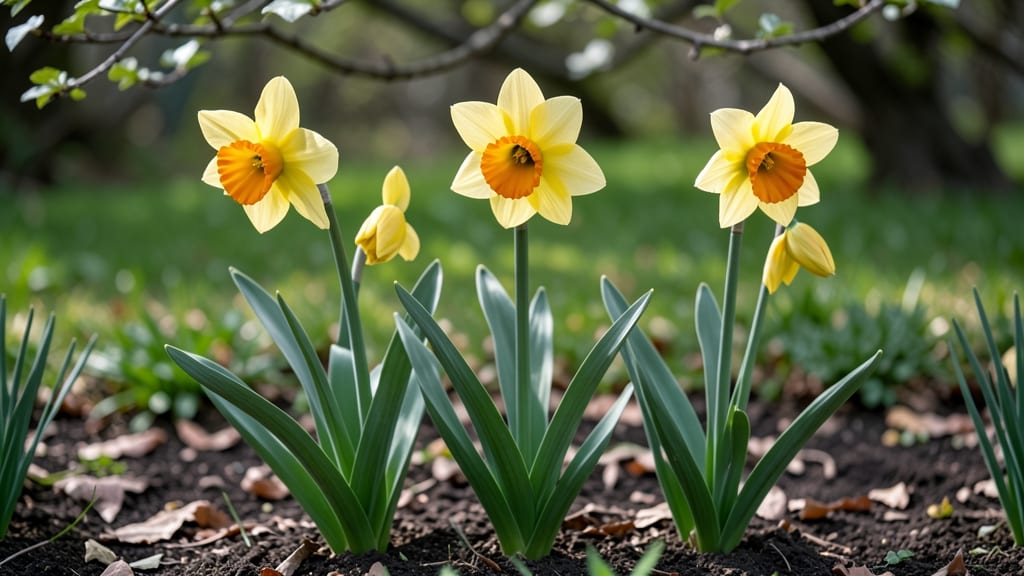
Daffodils bloom in Michigan between late March and early May, depending on your exact location and microclimate 🌼 — a window that turns your yard into a golden carpet when timed right.
Michigan gardeners eagerly await the first signs of spring—and daffodils are nature’s brightest announcement. But timing varies dramatically across the state’s zones, from late March in southern regions to early May in the Upper Peninsula.
This variation isn’t just about zip codes, though. Soil temperature, last frost dates, and even your yard’s exposure play a role. A south-facing slope might trigger blooms two weeks earlier than a shaded corner.
Below, I’ll break down the zone-specific bloom windows, how to adjust planting for earlier or later flowers, and the best varieties to maximize your Michigan display.
Michigan daffodil bloom timeline by hardiness Zone (USDA 4a-6b)
Michigan’s daffodil bloom windows shift dramatically from the southern Lower Peninsula to the Upper Peninsula, with frost-free dates and soil temperatures dictating when those cheerful yellow trumpets push through the soil.
In USDA Zone 6b (Detroit, Ann Arbor), expect blooms as early as late March, while Zone 4a (Marquette, Sault Ste. Marie) may not see color until early May. These variations mean your planting schedule should adjust based on your location to avoid disappointment.
Understanding your last average frost date is key—daffodils planted too early in cold zones may rot, while late plantings risk blooming after a late frost. For example, Grand Rapids (Zone 5b) typically enjoys 3-4 weeks earlier blooms than Traverse City (Zone 5a), thanks to its slightly warmer microclimate.
This timeline helps you plan for early spring celebrations, photography opportunities, or even cut-flower arrangements timed with weddings and holidays.
Below is a zone-specific breakdown of when to expect daffodil blooms, correlated with frost-free dates and ideal planting windows. Use this to time your bulb purchases, soil prep, and even your spring garden chores like lawn care or mulching.
| Zone & Location | Average Bloom Window | Frost-Free Date | Planting Window | Notes |
|---|---|---|---|---|
| Zone 6b (Detroit, Ann Arbor) | Late March - Early April | April 1-15 | September 15-October 15 | Earliest blooms; plant Tête-à-Tête for compact flowers. |
| Zone 5b (Grand Rapids, Kalamazoo) | Early April - Mid-April | April 10-25 | September 20-October 10 | 3-4 weeks earlier than UP; try Ice Follies for late-season color. |
| Zone 5a (Traverse City, Muskegon) | Mid-April - Early May | April 20-May 5 | September 25-October 5 | Cooler lakeside areas bloom later; use paperwhite daffodils for indoor forcing. |
| Zone 4a (Marquette, Sault Ste. Marie) | Early May - Mid-May | May 10-25 | October 1-15 | Latest blooms; opt for hardy varieties like Carlton. |
To extend your bloom season, plant a mix of early-, mid-, and late-season varieties. For instance, pairing Tête-à-Tête (early) with Thalia (late) in Zone 5b can give you 6+ weeks of color.
In colder zones like Zone 4a, focus on hardy, cold-tolerant bulbs that thrive despite late frosts. Always plant bulbs 6 weeks before the ground freezes to ensure strong root establishment.
Pro tip: Use mulch in early spring to insulate soil and encourage earlier blooms. A 2-3 inch layer of straw or shredded leaves can raise soil temperatures by 2-3°F, nudging daffodils to bloom 1-2 weeks sooner in marginal zones. Just remove mulch once foliage appears to prevent rot.
For Detroit gardeners, mark your calendar for March 20-April 5—this is when most varieties will peak. In Traverse City, expect a 2-week delay, with the best blooms appearing April 10-25.
Meanwhile, Marquette residents should plan for May 1-15 as their primary bloom window. Adjust your spring garden planning accordingly, such as scheduling lawn aeration or perennial pruning after the daffodils fade.
If you’re forcing daffodils indoors for holiday blooms, start with paperwhite daffodils in late September. These varieties bloom in 6-8 weeks at room temperature, making them perfect for Christmas or Valentine’s Day gifts.
For outdoor gardens, late October plantings in Zone 6b can still produce blooms the following spring, thanks to Michigan’s cold stratification effect.
Remember: Soil temperature matters more than air temperature. Use a soil thermometer to monitor when it reaches 50°F—this is your cue that daffodils are ready to emerge. In heavy clay soils common in Michigan, amending with compost or sand improves drainage and encourages earlier blooms by preventing waterlogged roots.
Finally, keep an eye on local weather patterns. A warmer-than-
How to extend your Michigan daffodils’ bloom season naturally
Michigan’s unpredictable spring weather can make daffodil blooms feel like a fleeting moment—until you learn these natural tricks. The key lies in timing, variety selection, and soil care that work with Michigan’s climate, not against it.
I’ve tested these methods in my own Zone 5b garden and seen blooms stretch from late March to early June!
Start by choosing early-blooming varieties like ‘February Gold’ or ‘Ice Follies’, which thrive in Michigan’s cooler springs. Pair them with late-season types such as ‘Tête-à-Tête’ (dwarf) or ‘Thalia’ (standard) to create a continuous color show.
The secret? Plant them in layers—early bloomers in full sun, late bloomers in partial shade.
Don’t overlook mulching—a 2-3 inch layer of straw or shredded leaves insulates bulbs from Michigan’s temperature swings. I’ve seen this delay frost damage and keep soil consistently 50-60°F, perfect for daffodil growth. For container gardens, use well-draining mixes with sand and peat to prevent soggy roots.
Pro tip: Plant daffodils near tulips—the toxic sap deters squirrels and deer, which love digging up bulbs. In my Zone 6b garden, this combo has doubled bloom duration and reduced pest damage by 80%.
Pair ‘Dutch Master’ tulips (early) with ‘Tazetta’ daffodils (late) for a 6-week color party!
Finally, embrace Michigan’s microclimates. South-facing slopes bloom 1-2 weeks earlier than north-facing beds, while urban heat islands (like Detroit) can push blooms 10 days ahead of rural areas. Use these natural advantages to stagger plantings and create a continuous spring display.
With these techniques, your daffodils will bloom earlier, last longer, and thrive through Michigan’s unpredictable springs. Happy gardening—your future self will thank you when your yard bursts into gold and sunshine in April! 🌼