
Blooming
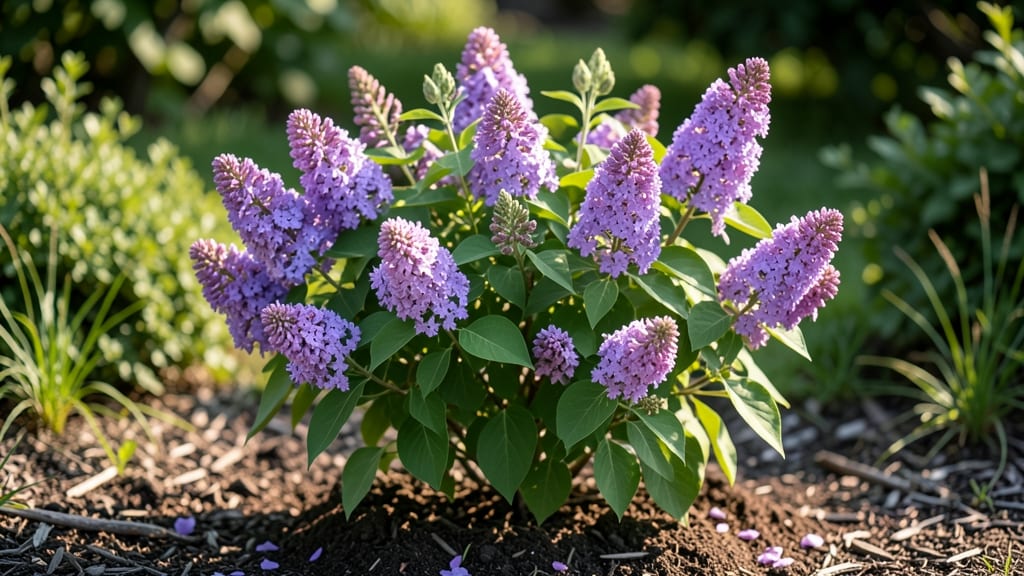
Lilacs in Colorado bloom between mid-April and early June, but the exact timing depends on elevation and local microclimates — a 3-week spread that turns front yards into fragrant purple clouds.
Picture this: your neighbor’s lilacs 🌸 are already in full bloom by late April, while yours in the foothills haven’t even budded yet. That’s Colorado’s climate playing tricks, with mountain valleys often blooming 2 weeks later than the Front Range.
If you’re planning your garden, knowing these windows is key. Early bloomers like ‘Katherine Havemeyer’ might peak in May, while late varieties could linger into June — and that’s before you factor in urban heat islands or wind exposure shifts.
Below, I break down the exact months by elevation zone, how to spot early vs. late bloomers, and the pruning secrets that keep your lilacs flowering year after year.
Lilac blooming timeline in Colorado by elevation zone
Colorado’s lilac blooms arrive with spring’s first warm breaths, but their exact timing shifts dramatically with elevation. At 5,000 feet on the Front Range, lilacs burst into color by mid-April, while mountain gardens at 9,000 feet may not see blooms until late May.
These differences matter for gardeners planning pruning, fragrance displays, and even pollinator timing.
The key driver is temperature thresholds. Lilacs need consistent 50°F nights and daytime warmth above 60°F to trigger bud opening. In Colorado’s USDA Zones 5-7, this happens 2-4 weeks earlier at lower elevations due to urban heat islands and earlier snowmelt.
Here’s how to pinpoint your lilac’s bloom window based on where you garden:
| Elevation Zone | Typical Bloom Window | Temperature Triggers | Hardiness Notes |
|---|---|---|---|
| Front Range (4,500–6,000 ft) | Mid-April to early May | 50°F nights, 60°F+ days | Zones 6-7; earliest blooms |
| Foothills (6,000–8,000 ft) | Late April to mid-May | 55°F nights, 65°F+ days | Zone 6; 1-2 week delay |
| Mountains (8,000–10,000 ft) | Late May to early June | 60°F nights, 70°F+ days | Zone 5; latest blooms |
| High Peaks (>10,000 ft) | June (if at all) | 65°F+ nights required | Zone 4; marginal success |
For Syringa vulgaris (common lilac), these windows apply, but hybrid varieties like 'Katherine Havemeyer' or 'President Lincoln' often bloom 1-2 weeks earlier due to their genetic hardiness.
If you’re in Denver or Boulder, expect peak fragrance by late April, while Estes Park gardeners should mark May 10th on their calendars.
Watch for bud swell—a sure sign blooms are 3-4 weeks away. In high-elevation gardens, late frosts can delay opening by 10 days or more, so protect young buds with frost cloth if temperatures dip below 28°F after buds form.
Colorado’s microclimates also play a role. South-facing slopes bloom 1-2 weeks earlier than north-facing yards, while urban areas like Aurora or Colorado Springs see blooms 5-7 days ahead of rural zones due to heat retention.
Use these patterns to time pruning—always prune immediately after blooming to set next year’s flowers.
Pro tip: Late-season varieties like 'Bloomerang' rebloom in fall (September-October), extending your fragrance display. These thrive in Zone 5-6 and are perfect for Front Range gardens where summers are short. For mountain gardens, stick to early-blooming types like 'Purple Robe' to maximize their short season.
Plan your lilac maintenance around these timelines. Fertilize in early spring (March) to boost bud formation, and mulch heavily in late fall to protect roots during mountain winters.
With the right variety and timing, your Colorado lilacs will reward you with weeks of intoxicating fragrance—just in time for spring’s sweetest moments. 🌸
How Colorado’s microclimates affect lilac bloom timing
Colorado’s diverse landscapes create microclimates that can shift lilac blooms by 2-4 weeks. Urban Denver gardens often see lilacs bloom 2 weeks earlier than mountain valleys, thanks to urban heat islands. These variations mean your lilac’s timing might not match your neighbor’s—even just a few miles away!
Mountain slopes experience cooler temperatures and delayed blooms, sometimes pushing lilacs into late May. Meanwhile, foothills and river valleys benefit from warmer air pockets, triggering blooms as early as mid-April. Understanding these patterns lets you time pruning and fertilizing for peak performance.
- 1 Urban Heat Islands: Denver’s concrete absorbs heat, pushing blooms 2 weeks early (March 20-April 5). Plant late-blooming varieties like 'President Lincoln' to extend your display.
- 2 Mountain Valleys: Areas like Eagle County (6,000–8,000 ft) see blooms 3-4 weeks later (May 1–15). Choose early-blooming cultivars like 'Sensation' for reliable color.
- 3 Wind Exposure: Open plains (e.g., Pueblo) delay blooms by 10–14 days due to chilling stress. Use windbreaks or plant near fences to protect buds.
- 4 South-Facing Slopes: Warmer microclimates in Boulder Canyon trigger blooms by April 1. Ideal for early fragrance—plant near patios for maximum enjoyment.
To extend your lilac season, mix early and late-blooming varieties in the same garden. For example, pair 'Elite' (April blooms) with 'Charles Joly' (May blooms). This creates a 3–4 week fragrance cascade that attracts pollinators year-round.
Wind exposure is another critical factor. Lilacs in open prairie areas like Lamar often bloom 10–14 days later than sheltered yards. If you live in a windy zone, plant near a fence or use burlap windbreaks to protect buds during late-winter storms.
Pro tip: Monitor your lilac’s bud swell in early spring. If buds appear pale or shriveled, they’ve likely suffered winter desiccation—a common issue in dry mountain microclimates. Mulch heavily in fall to retain moisture and prevent this problem.
By leveraging Colorado’s microclimates, you can design a lilac garden that blooms from April through June. Start with 1–2 early varieties in warmer zones, then add mid-to-late bloomers for a continuous show. Your neighbors will be jealous of your extended fragrance season! 🌸