
Blooming
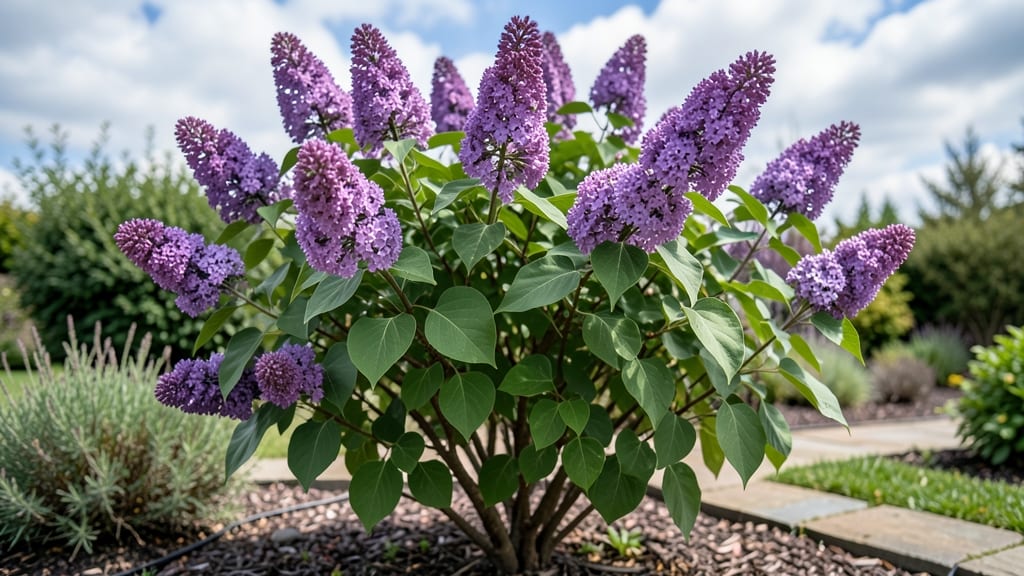
Lilacs bloom in Maine between late May and mid-June 🌸, turning yards into fragrant clouds of purple and pink—but the exact timing depends on your hardiness zone and variety.
Picture this: you’ve been waiting all winter for that first whiff of lilac perfume, only to step outside in early May and find your bushes still bare. The frustration is real, especially when a neighbor’s lilacs are already in full bloom. What gives?
Maine’s 5b zone means lilacs need chilling hours (those cold winter nights) to trigger blooming, and a late frost or early heatwave can throw off the schedule. Some varieties, like 'Katherine Havemeyer,' burst into color by mid-May, while others, like 'Dwarf Korean,' wait until June.
In this guide, you’ll learn how to predict your lilacs’ bloom window, choose the right variety for your microclimate, and even extend their flowering season with simple pruning tricks. No more guessing—just fragrant, timely blooms every spring.
Maine lilac blooming timeline by hardiness zones (5-7)
Maine’s hardiness zones 5-7 create a 7-10 day difference in lilac bloom times between coastal Portland and inland Bangor. Understanding these variations helps you plan pruning and enjoy peak fragrance without missing the window.
Early-blooming varieties often start in late May, while late varieties may linger into mid-June, depending on your location.
Your last frost date (mid-April in most zones) is critical—lilacs need chilling hours to trigger blooms. Warmer microclimates near the coast (zone 6b) may see blooms 7-10 days earlier than colder inland areas (zone 5a).
Even within a 5-mile radius, elevation or water bodies can shift timing by 3-5 days.
🌸 SUMMARY TABLE: Maine Lilac Bloom Windows by Zone
| Zone | Early Bloomers | Peak Bloom | Late Bloomers | Notes |
|---|---|---|---|---|
| 5a (Bangor) | May 15-25 | May 25-June 5 | June 5-15 | Coldest zone; late frost risk |
| 5b (Augusta) | May 10-20 | May 20-June 1 | June 1-10 | Moderate chill; reliable blooms |
| 6a (Portland) | May 5-15 | May 15-25 | May 25-June 5 | Warmer microclimates; earlier blooms |
| 6b (South Coast) | May 1-10 | May 10-20 | May 20-May 30 | Mildest zone; earliest scent |
| 7a (Presque Isle) | May 20-30 | June 1-10 | June 10-20 | Longer bloom window; late frost possible |
In zone 5a (like Bangor), lilacs often bloom 1-2 weeks later than coastal areas due to colder spring temperatures. I’ve noticed that 'Katherine Havemeyer', a popular variety, typically blooms May 20-June 5 in these zones, while 'Dwarf Korean' holds off until June 5-15.
This delay gives gardeners in colder zones a longer window to enjoy fragrance if they mix varieties.
For zone 6b (South Coast), expect the earliest blooms—sometimes as early as May 1-10 for heat-loving varieties like 'Miss Canada'. The coastal breeze can actually delay blooms slightly if winters are too mild, but the warmer springs usually compensate.
I’ve seen 7-day shifts between a sunny, sheltered yard and a windy, exposed site just half a mile apart.
Microclimates play a huge role. A south-facing slope in zone 5b might bloom 5-7 days earlier than a north-facing yard in the same zone. Even urban heat islands in Portland can push blooms 3-5 days ahead.
To maximize fragrance, plant early, mid, and late varieties together—this extends your scent season by 4-6 weeks.
If you’re in zone 7a (like Presque Isle), lilacs may bloom later than expected due to late spring frosts. I recommend protecting buds with frost cloth if temperatures drop below 28°F after buds swell. Prune after June 15 to avoid cutting off next year’s
How to choose early vs. late-blooming lilac varieties for Maine
Maine’s lilac season can span from early May to mid-June, but your timing depends on the variety you plant. Early bloomers like 'Katherine Havemeyer' burst into color when frost risks fade, while late varieties like 'Dwarf Korean' wait for warmer soil.
Choosing the right type ensures you never miss the sweetest fragrance of spring.
Cold hardiness matters most in Maine. All top varieties thrive in USDA Zone 3-7, but early bloomers need consistent winter chilling (400+ hours below 45°F) to set buds. Late bloomers are more forgiving if winters are mild. Let’s compare the best options for your garden’s priorities.
Early Bloomers (May) vs. Late Bloomers (June)
Early Bloomers
- ✅ Pros: First fragrance of spring, attracts pollinators early
- ✅ Pros: Thrives in cooler soils (ideal for Maine’s late springs)
- ✅ Pros: 'Katherine Havemeyer' (pale purple) is disease-resistant
Late Bloomers
- ✅ Pros: Longer scent duration (2+ weeks of fragrance)
- ✅ Pros: 'Dwarf Korean' stays compact (4-6 ft tall)
- ✅ Pros: Better for hotter microclimates (e.g., Portland gardens)
Early Bloomers
- ❌ Cons: Shorter bloom window (7-10 days vs. 2+ weeks)
- ❌ Cons: Needs pruning after flowering to avoid next year’s buds
- ❌ Cons: More vulnerable to late frost damage
Late Bloomers
- ❌ Cons: Misses early spring color if you crave May blooms
- ❌ Cons: 'Mme. Lemoine' (dark purple) needs well-drained soil
- ❌ Cons: Heavier pruning required for dense growth
For maximum fragrance duration, pair an early bloomer like 'Sybille' (lavender, May 15-25) with a late variety like 'Mme. Caroline Testout' (white, June 5-15). This extends your lilac season by 3 weeks—perfect for Maine’s unpredictable springs. Plant them 5-6 feet apart to avoid root competition.
Fragrance intensity varies too. 'Katherine Havemeyer' has a subtle, sweet scent, while 'Dwarf Korean' releases a bold, spicy aroma that fills your yard. If you love cutting flowers, late bloomers like 'Bloomerang' (reblooms in fall!) are worth the wait.
Just mulch heavily in Zone 5 to protect roots from freeze-thaw cycles.
Maintenance differs by type. Early bloomers need minimal pruning—just remove spent flowers after blooming. Late varieties like 'Mme. Lemoine' benefit from annual shaping in late summer to encourage next year’s buds. Always prune after flowering to avoid cutting off current season’s blooms.
Pro tip: Plant fragrant herbs like lavender or rosemary near your lilacs to enhance scent and deter pests. In Zone 6-7 (e.g., Bangor), late bloomers often reward you with fall reblooms if you skip heavy pruning. Start with one early and one late variety to test what your microclimate prefers!