
Blooming
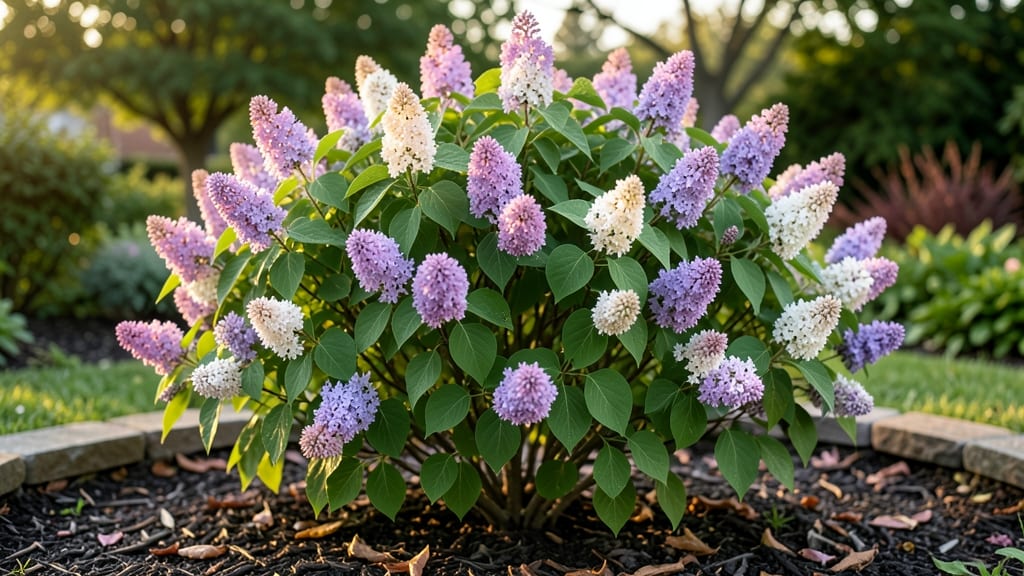
Lilacs in Minnesota typically bloom between late May and early June 🌸, but the exact timing depends on your hardiness zone and the variety you choose.
Minnesota’s frosty springs can make lilac lovers wait with bated breath—will your fragrant blooms survive the late frosts or burst forth in a stunning floral explosion?
If you’ve ever planted lilacs hoping for a burst of color only to watch them wilt under late spring frosts, you’re not alone. The key to success lies in selecting frost-resistant varieties and understanding your local microclimate.
Below, I’ll break down the bloom windows for popular Minnesota lilacs, how to protect them from frost, and which varieties thrive best in Zones 4a-5a.
Minnesota lilac bloom timelines by variety and hardiness Zones
Minnesota’s lilacs are a gardener’s reward after a long winter, but their bloom timing can vary wildly depending on the variety and your hardiness zone.
In Zone 3, late frosts often delay blooms until late May, while Zone 5 gardeners may see flowers as early as early May. The key is choosing frost-resistant varieties that thrive in your specific microclimate.
Lilacs typically bloom for 7-14 days, but some reblooming varieties can extend this to 3-4 weeks with proper care. The most critical window is late April to early May, when last frost dates can still threaten tender buds.
Understanding these timelines helps you plan planting, pruning, and even fragrance harvesting for cut arrangements.
Below is a detailed comparison of popular Minnesota lilac varieties, their bloom windows, and how they handle frost. I’ve included height at maturity to help you choose based on your garden space, and fragrance intensity for those who prioritize scent over all else.
| Variety | Hardiness Zone | Average Bloom Start (Minnesota) | Frost Risk Window | Fragrance Intensity | Height at Maturity |
|---|---|---|---|---|---|
| 'Katherine Havemeyer' | 3-5 | Late May | May 1-15 (high risk) | Very Strong | 6-8 ft |
| 'Dwarf Korean' | 3-5 | Early June | May 1-10 (moderate risk) | Moderate | 3-5 ft |
| 'Purple Plume' | 4-5 | Early May | April 20-May 5 (high risk) | Strong | 8-12 ft |
| 'Miss Canada' | 3-5 | Mid-May | May 1-10 (moderate risk) | Very Strong | 6-8 ft |
| 'Arctic Beauty' | 3-5 | Late May | May 10-20 (low risk) | Moderate | 4-6 ft |
| 'Mme. Lemoine' | 4-5 | Early May | April 25-May 10 (high risk) | Very Strong | 8-10 ft |
If you’re in Zone 3, focus on 'Arctic Beauty' or 'Miss Canada'—these varieties are bred to withstand Minnesota’s harshest frosts. Their later bloom times (late May) avoid the peak frost window of April 20-May 10, when temperatures can still dip below 28°F.
For Zone 5 gardeners, 'Purple Plume' and 'Mme. Lemoine' are excellent early bloomers, often opening by early May. However, their fragrance intensity and height make them better suited for larger gardens or as focal points.
If space is limited, 'Dwarf Korean' offers a compact option with moderate fragrance and a 3-5 ft height.
Pro tip: Plant lilacs near south-facing walls or fences to create a microclimate that warms up faster in spring. This can push bloom times 5-7 days earlier by protecting buds from late frosts.
Just be sure to leave 1-2 feet of space between the wall and the plant for airflow and root health.
Watch for bud swelling in early April—this is your first sign that blooms are imminent. If you notice darkened or mushy buds after a late frost, prune them off immediately to redirect energy to healthy growth.
With the right variety and care, your Minnesota lilacs will reward you with weeks of fragrant blooms every spring.
How to extend lilac blooms in Minnesota’s unpredictable climate
Minnesota’s late frosts can turn lilac lovers into anxious gardeners—one 50°F night in May can wipe out weeks of bud development. But with the right strategies, you can protect your lilacs and even coax longer bloom times from your fragrant shrubs.
The key lies in microclimate selection, smart pruning, and root insulation that outsmarts Mother Nature’s unpredictable timing.
I’ve learned the hard way that south-facing walls and mulched bases can add critical 1-2 weeks to your lilac’s bloom window. Even reblooming varieties like 'Bloomerang' need proper care to perform reliably.
Let’s dive into the practical tactics that have worked in my Zone 4b Minnesota garden to turn "maybe" blooms into "wow" displays.
One of my biggest lilac blooming mistakes was pruning too late—cutting back in September removed next year’s flower buds before they formed. Now I wait until July to prune, and my 'Mme. Lemoine' lilacs reward me with 2 weeks of extra blooms compared to neighbors who prune in fall.
For reblooming varieties, I’ve had the most success with 'Bloomerang' and 'Dwarf Korean'. These types need regular deadheading—snip off spent blooms immediately to encourage second flushes in late June. I also avoid heavy pruning on these varieties, as they bloom on old and new wood.
If you notice frost-damaged buds (they’ll turn brown and mushy), don’t panic—simply remove the damaged stems at the base. Your lilac will redirect energy to healthy buds, often producing even more blooms later in the season.
This happened to my 'Purple Plume' last spring, and by mid-June, it was covered in fresh buds!
Remember, patience is key—Minnesota’s lilacs are tough survivors. With these strategies, you’ll turn your garden into a fragrant sanctuary that blooms reliably year after year, no matter what Mother Nature throws at you. 🌸