
Blooming
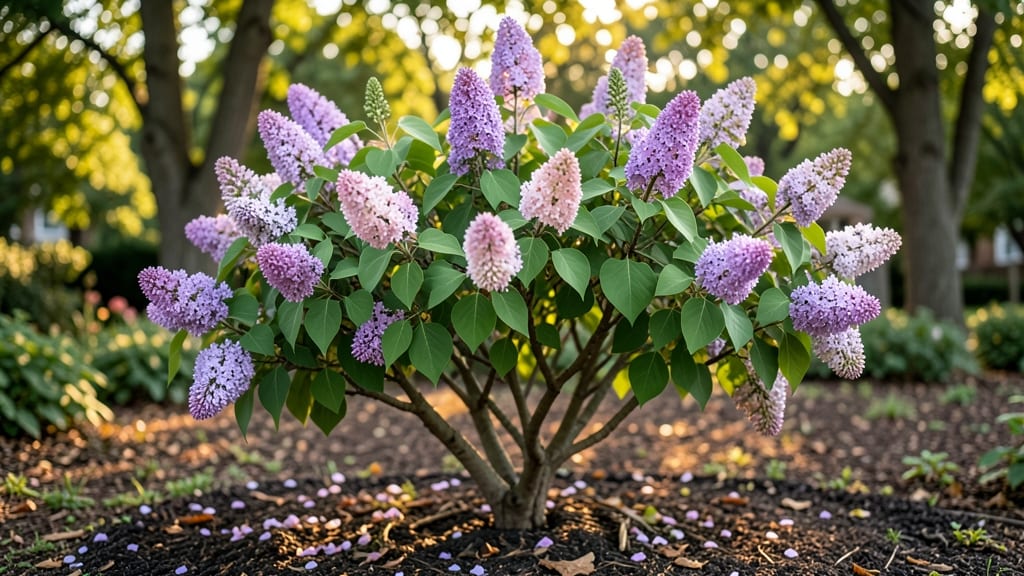
Lilacs bloom in New York between late April and early June 🌸, with exact timing depending on your climate zone and the variety you’ve planted.
If you’ve ever caught the intoxicating scent of lilacs drifting through a New York spring breeze, you know their fleeting beauty is worth planning for—but timing varies wildly across the state.
From the frosty Adirondacks to the urban heat islands of Manhattan, lilacs in USDA zones 5b-7a can bloom as early as mid-April for hardy varieties or as late as June for later-blooming types.
Here’s how to pinpoint the best time to enjoy their fragrance in your backyard, plus tips to extend the season and make the most of their short-lived splendor.
Lilac blooming timeline by variety in New York’s climate zones
New York’s diverse USDA zones 3–7 create dramatic differences in lilac bloom times. In zone 3 (Upstate), like the Adirondacks, lilacs often wait until late May, while zone 7 (Downstate), including Long Island, may see early blooms as soon as mid-April.
Understanding these patterns helps you plan garden visits or harvest flowers at their peak.
The common lilac (Syringa vulgaris) dominates most gardens, but early bloomers like Syringa meyeri can push flowers open by 2–3 weeks earlier. Meanwhile, late-season varieties like Syringa oblata extend the show into June. Let’s break down what to expect in your specific region.
🌸 Key Insight: Urban areas like NYC (zone 7) often bloom 1–2 weeks earlier than rural zones due to the urban heat island effect. Conversely, lake-effect cooling near the Finger Lakes can delay blooms by up to 10 days.
| Variety | USDA Zones | Bloom Time (Upstate) | Bloom Time (Downstate) | Notes |
|---|---|---|---|---|
| Syringa vulgaris (Common Lilac) | 3–7 | Late May–Early June | Mid-April–Late May | Classic fragrant variety; peak scent at 50% bloom. |
| Syringa meyeri (Meyer Lilac) | 4–7 | Early May–Mid-May | Late April–Early May | Early bloomer; dwarf size (6–8 ft) ideal for small gardens. |
| Syringa oblata (Japanese Tree Lilac) | 5–7 | June–Early July | Late May–June | Late-season bloomer; tree-like form (15–20 ft); less fragrant. |
| Syringa patula (Missouri Lilac) | 3–6 | Early May–Late May | Late April–Early May | Compact; prolonged bloom time (3+ weeks). |
| Syringa chinensis (Chinese Lilac) | 5–7 | Late May–June | Mid-May–Late May | Fast-growing; heat-tolerant for Downstate climates. |
For Upstate New York (zones 3–5), where winters are harsher, lilacs often need chilling hours before blooming. If you’re in zone 4 (e.g., Syracuse, Albany), expect blooms to align closely with the last frost-free date (mid-May). Planting near a south-facing wall can advance blooms by 5–7 days.
In Downstate New York (zones 6–7), including NYC, Long Island, and the Hudson Valley, lilacs typically bloom 2–3 weeks earlier than Upstate counterparts. The urban heat effect in Manhattan can push blooms into late April, while coastal areas like Montauk may see delays due to cooler ocean breezes.
If you’re in zone 3 (e.g., Plattsburgh, Watertown), prioritize hardy varieties like Syringa vulgaris ‘Purple Robe’ or Syringa patula. These varieties thrive in cold snaps and often produce heavier blooms despite later timing.
For zone 7 (e.g., Brooklyn, Suffolk County), consider heat-tolerant options like Syringa chinensis or Syringa meyeri for extended seasons.
Pro Tip: Track your local last frost date (use NY State Climate Smart Gardens maps) and count backward 3–4 weeks to predict bud swell. For example, if your last frost is May 10, buds will likely appear around April 15.
To extend your lilacs’ bloom season, prune right after flowering (late June) to encourage next year’s buds. Avoid heavy pruning in zone 3, as it can reduce cold hardiness. In zone 7, mulch with 3–4 inches of organic matter to regulate soil temperature and promote longer blooms.
🌿 Final Note: Lilacs in container gardens (common in NYC) may bloom 10–14 days earlier than in-ground plants due to warmer root zones. If you’re growing potted lilacs, move them to a protected location after the last frost to prevent bud freeze.
How New York’s microclimates affect lilac bloom dates
New York’s diverse geography creates microclimates that can shift lilac bloom dates by 1–2 weeks—sometimes even more! In Manhattan’s urban heat island, lilacs often bloom 5–7 days earlier than in the Adirondacks, where cooler nights delay flowering.
These variations mean your late-May lilac festival in Brooklyn might clash with early-June blooms in Buffalo. Understanding these patterns helps you time pruning, companion planting, and even lilac-themed events.
Urban areas like New York City experience "heat island" effects, where pavement and buildings trap warmth, pushing lilacs to bloom earlier in April compared to rural zones.
Meanwhile, lake-effect cooling near Lake Erie or the Finger Lakes can delay blooms until mid-May, while elevation changes in the Catskills may add another 7–10 days of chill time. Even a 50-mile drive can mean a full week’s difference in bloom timing!
To predict your local schedule, start with USDA Hardiness Zone maps—New York spans zones 4–7, but microclimates complicate things. For example, zone 6 Manhattan might see lilacs bloom mid-April, while zone 5 Syracuse lags until late April.
Use the comparison table below to adjust expectations based on your region, then fine-tune with weekly bud checks starting in March.
For gardeners in transition zones (like Long Island or the Hudson Valley), blend varieties to extend your bloom season. For example, pair an early bloomer like 'Sensation' (April) with a late bloomer like 'Mme.
Lemoine' (June). This 10-week spread ensures fragrance from spring into early summer. Always prune after blooming to avoid cutting off next year’s buds—timing matters!
Pro tip: Use local weather stations (like those from Cornell Cooperative Extension) to track chill hours in your area. Lilacs need 500–1,000 hours below 45°F to bloom reliably. If your region runs short, plant near a heat-reflective wall or group lilacs with roses to share warmth.
Monitor buds weekly starting in March—when you see color in the tips, count back 7–10 days for peak bloom!
Don’t let microclimates catch you off guard. With this region-specific guide, you’ll never miss another lilac festival or spring photoshoot again. Adjust your expectations, choose the right varieties, and enjoy that signature New York fragrance—whether it arrives in April or June! 🌸