
Blooming
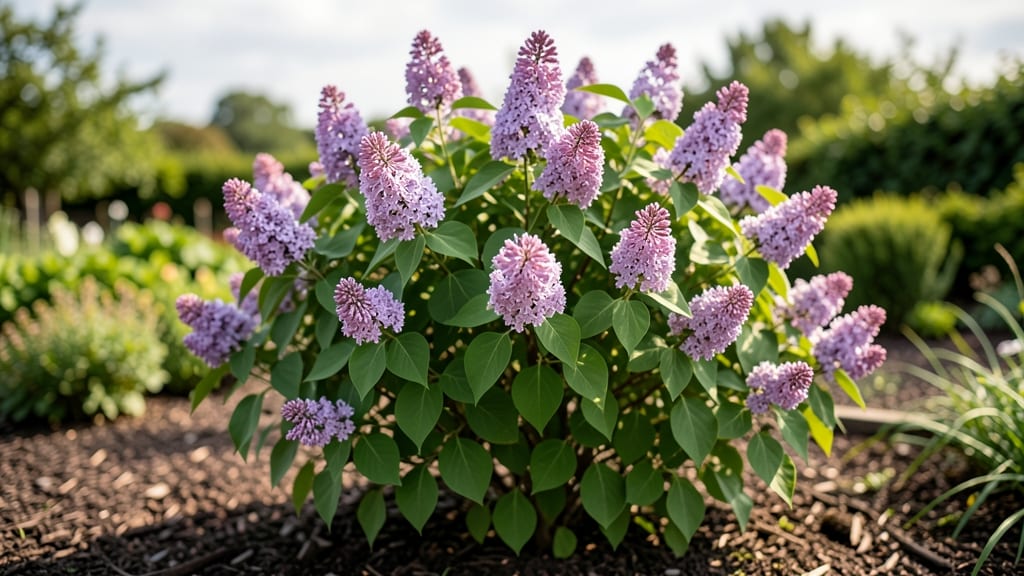
Lilacs in Ohio bloom between late April and early May 🌸, but the exact timing depends on your microclimate and the variety you’ve planted.
Picture this: one week, your neighbor’s yard is a sea of purple, while your lilacs haven’t even budded. That’s Ohio’s climate talking—where lake-effect breezes in Cleveland can delay blooms by weeks compared to the warmer valleys of southern Ohio.
Understanding these shifts isn’t just for gardeners; it’s also key for allergy sufferers tracking pollen season or those planning weddings around the state’s iconic scent. Late frosts can push blooms later, while early springs might bring them weeks ahead.
Below, I’ll break down the zone-by-zone schedule, share how to spot early bloomers like ‘Katherine Havemeyer,’ and reveal the pruning trick that keeps your lilacs flowering reliably year after year.
Ohio lilac blooming timeline by USDA hardiness zones (5b to 6a)
Ohio’s USDA zones 5b and 6a create distinct lilac blooming windows, with zone 6a (warmer southern Ohio) typically seeing blooms 1-2 weeks earlier than zone 5b (cooler northern regions). Understanding these differences helps you time pruning, enjoy peak fragrance, and even predict pollen seasons for allergy sufferers.
The average last frost date in Ohio ranges from mid-April in zone 6a to early May in zone 5b, which directly impacts when lilacs begin their 2-week bloom cycle. Early frosts can delay blooming, while warm spells may trigger premature budding—both critical factors for Ohio gardeners.
Early bloomers like ‘Katherine Havemeyer’ often start as early as late April in zone 6a, while late varieties such as ‘Dwarf Korean’ may not peak until early June in zone 5b. This wide range means Ohio lilacs can span 6+ weeks of blooming across the state.
🌸
| Zone & Variety | Early Bloom | Peak Bloom | Late Bloom | Frost Risk |
|---|---|---|---|---|
| Zone 6a 'Katherine Havemeyer' |
Late April | Early May | Mid-May | Low (warmer zone) |
| Zone 6a 'Mme. Lemoine' |
Early May | Mid-May | Late May | Low |
| Zone 5b 'Dwarf Korean' |
Early May | Late May | Early June | Moderate (cooler zone) |
| Zone 5b 'Common Lilac' |
Mid-May | Early June | Mid-June | High (late frosts) |
| Both Zones 'Bloomerang' |
Late May | Early June | Mid-June | Low (reblooming) |
In zone 6a, lilacs often begin budding as early as mid-April, with ‘Katherine Havemeyer’ leading the charge. This variety’s light purple blooms can last up to 3 weeks if temperatures stay mild.
Meanwhile, ‘Mme. Lemoine’—with its deep violet flowers—typically peaks in mid-May, making it a favorite for late-spring garden parties.
Zone 5b lilacs wait for warmer soil temperatures, with ‘Dwarf Korean’ (a compact 4-6 ft variety) starting around early May. Its pale lavender blooms are perfect for smaller gardens and container plantings.
The ‘Common Lilac’, Ohio’s state flower, usually blooms 2 weeks later, aligning with Memorial Day weekends in many areas.
Frost dates play a crucial role—late frosts after bud set can damage emerging flowers, while early warm spells may trigger premature blooming. In zone 5b, gardeners should monitor National Weather Service frost forecasts and consider lightweight frost cloth for vulnerable varieties during late April.
For extended blooming seasons, consider ‘Bloomerang’ lilacs, which rebloom in late summer (July-August) after their spring display. These varieties thrive in both zones but require regular pruning to encourage second flushes. Planting near south-facing walls can also delay frost damage by 1-2 weeks.
🌿
To maximize your lilacs’ performance, prune immediately after blooming (June-July) to remove old wood and encourage next year’s flowers. Avoid heavy pruning in fall or winter, as this removes next season’s buds.
In Ohio’s clay soils, add 2-3 inches of organic mulch in early spring to retain moisture and regulate soil temperature.
🌸
How Ohio’s microclimates and soil conditions shift lilac blooming dates
Ohio’s diverse geography creates staggered lilac blooming windows that can vary by 3-4 weeks across cities. In Cincinnati, urban heat islands often trigger blooms by mid-April, while Cleveland’s lake-effect chills delay them until late April to early May.
Even within Columbus, neighborhoods near elevated areas like Olentangy River can bloom 10 days earlier than low-lying zones.
The key factors driving these differences are lake-effect weather, urban heat retention, and soil drainage patterns. Lake Erie’s cold air masses push Cleveland’s blooms later, while Cincinnati’s concrete canopies trap heat, accelerating growth.
Even soil composition—clay-heavy in northeast Ohio versus loamy in southwest—affects root warmth and nutrient uptake.
| Region | Avg. Bloom Window | Key Microclimate Factor | Soil Type |
|---|---|---|---|
| Cincinnati | Mid-April to early May | Urban heat island effect | Loamy with limestone |
| Columbus | Late April to mid-May | Moderate elevation variations | Clay-loam mix |
| Cleveland | Late April to early June | Lake Erie cold fronts | Sandy loam near lake |
| Toledo | Early May to mid-May | Maumee River valley warmth | Silty clay |
Elevation plays a surprising role too—every 100-foot increase in elevation can delay blooms by 3-5 days. That’s why lilacs on Mount Storm in southern Ohio may bloom weeks before those in Lake County.
Even within your own yard, south-facing slopes will show buds 7-10 days earlier than north-facing areas.
Soil drainage is another hidden variable. Well-draining soils in southwest Ohio allow roots to warm faster in spring, while heavy clay soils in northeast Ohio keep roots cooler longer. Amending clay with compost can advance blooms by up to 2 weeks, but avoid over-amending—excess nitrogen can delay flowering.
If you’re planting new lilacs, choose varieties matched to your microclimate. Early bloomers like ‘Mme. Lemoine’ thrive in Cincinnati’s warmth, while late bloomers like ‘Purple Plume’ suit Cleveland’s cooler springs. For urban gardens, consider dwarf varieties that bloom reliably despite heat fluctuations.
Pro tip: Track your local blooms using the Ohio Lilac Society’s annual bloom reports—these citizen science observations refine predictions by neighborhood. The 2023 data showed Cincinnati blooms averaging April 18, while Cleveland’s average was May 2. Even small differences matter when planning weddings, picnics, or allergy meds!