
Blooming
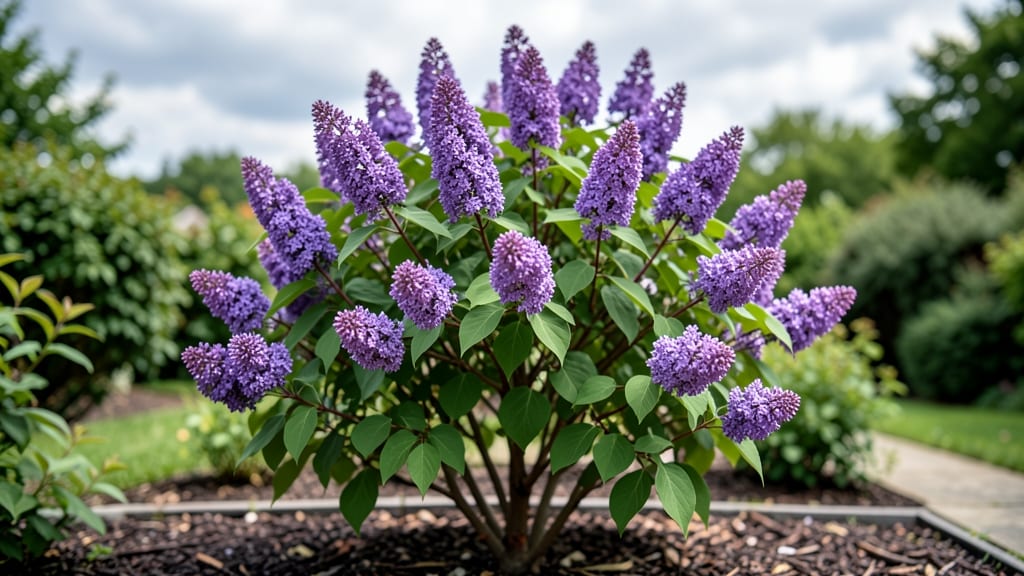
Lilacs in Pennsylvania bloom between late April and early May 🌸, with timing shifting by two weeks depending on whether you’re in Pittsburgh’s cooler hills or the warmer valleys near Harrisburg.
The sweet fragrance of lilacs signals spring’s arrival—but timing varies dramatically across the state’s hardiness zones. Whether you’re planning a garden, anticipating pollinators, or simply dreaming of purple blooms, knowing the exact bloom windows can make all the difference.
In USDA Zone 5b (northern PA), lilacs often wait until early May, while Zone 7a gardens in the south may see blooms as early as mid-April. A late frost or unusually warm winter can push those windows even earlier or later.
Here’s how to predict your lilac’s bloom time, adjust for your region, and ensure your shrubs deliver their signature scent year after year.
Pennsylvania lilac bloom schedule by hardiness zones (5a to 7a)
The Pennsylvania lilac bloom schedule shifts dramatically across the state’s USDA hardiness zones 5a to 7a. In colder Zone 5a, lilacs like 'Sensation' may wait until mid-May for full blooms, while Zone 7a varieties such as 'President Lincoln' often burst into color by early April.
These differences stem from last frost dates and winter chill requirements—critical for lilacs to break dormancy.
Microclimates—like urban heat islands or sheltered valleys—can also shift bloom times by 2-3 weeks. For example, Pittsburgh’s Zone 6b gardens might see 'Katherine Havemeyer' blooming in late April, while rural Zone 5a areas could delay until early May.
Understanding these variations helps you plan pruning and anticipate pollinators like bees and butterflies.
Below is a detailed bloom schedule for common lilac varieties across Pennsylvania’s zones, including early, mid, and late bloomers to help you predict when your garden will perfume the air.
| Zone | Variety | Bloom Window | Notes |
|---|---|---|---|
| 5a | 'Sensation' | Mid-May | Late bloomer; needs full sun |
| 5a | 'President Lincoln' | Late May | Dwarf variety; fragrant |
| 6a | 'Katherine Havemeyer' | Late April | Early bloomer; pink flowers |
| 6a | 'Dwarf Korean' | Early May | Compact; purple blooms |
| 7a | 'President Lincoln' | Early April | Early bloomer; white flowers |
| 7a | 'Miss Canada' | Mid-April | Fragrant; lavender blooms |
In Zone 5a, where winters are harsher, lilacs often require more chill hours (below 45°F) to trigger blooming. If your garden is in a warmer microclimate, like near a south-facing wall, expect blooms to arrive 1-2 weeks earlier than the average schedule.
For example, 'Dwarf Korean' lilacs in Zone 6a might bloom by early May, while the same variety in Zone 5a could wait until mid-May.
Late frosts—common in Pennsylvania until mid-April—can also delay blooming or damage buds. To protect your lilacs, consider mulching heavily in fall and pruning after blooms fade to encourage stronger growth next season. This timing ensures your shrubs have enough energy to produce abundant flowers the following spring.
If you’re growing multiple lilac varieties, note that early bloomers like 'Katherine Havemeyer' (pink) often precede late bloomers like 'Sensation' (purple). This staggered bloom sequence extends your garden’s visual appeal and supports pollinators for a longer period.
For example, bees will visit 'Miss Canada' in April and then move to 'President Lincoln' in May.
To further refine your bloom predictions, track your local last frost date—available through resources like the Penn State Extension. Add 3-4 weeks to this date for Zone 5a lilacs and 2-3 weeks for Zone 7a varieties.
For instance, if your last frost is April 10, expect 'Dwarf Korean' lilacs in Zone 6a to bloom around May 1.
For gardeners in urban areas, heat from buildings can advance
How to predict your lilac’s bloom time using local weather patterns
Predicting when your Pennsylvania lilacs will bloom isn’t just about checking a calendar—it’s about reading the local weather patterns that influence their growth.
In PA’s USDA zones 5b-7a, lilacs typically bloom between mid-April and early May, but exact timing shifts based on winter chill hours and spring temperature trends. Understanding these patterns helps you adjust expectations for varieties like 'Katherine Havemeyer' (early bloomer) or 'President Lincoln' (late bloomer).
Start by tracking last frost dates in your region. Southern PA (zones 6b-7a) often sees lilacs bloom 1-2 weeks earlier than northern PA (zones 5a-5b). For example, in Philadelphia, blooms may appear by late April, while in Erie, they might wait until early May.
Use your local Cooperative Extension Service frost date maps to refine predictions.
Next, monitor winter chill accumulation. Lilacs need 500-1,000 hours below 45°F to set buds properly. If winters are milder (like in 2023’s warmer trends), blooms may arrive 2-3 weeks later or produce fewer flowers.
Check your local weather station for chill hour data—this is your best clue for bud formation timing.
- 1 Track spring warming rates: Lilacs bloom when daytime temps consistently reach 50°F+. Use a local weather app to monitor 5-day forecasts—blooms often start within 7-10 days of sustained warmth.
- 2 Adjust for variety differences: 'Katherine Havemeyer' (early) blooms 10-14 days before 'President Lincoln' (late). Note your lilac’s bloom history—some varieties shift timing by 5-7 days yearly due to microclimates.
- 3 Watch for bud swell timing: Buds typically swell in March. If they don’t swell by late March, expect a delayed bloom or lighter display. Check buds weekly—swollen buds mean blooms in 4-6 weeks.
- 4 Account for rain patterns: Prolonged wet springs (like 2020’s floods) can delay blooms by 1-2 weeks. Dry springs may speed up blooming but reduce flower quality. Aim for 1-2 inches of rain weekly during bud formation.
Don’t overlook soil temperature—lilacs need 55°F+ soil to break dormancy. Use a soil thermometer to confirm readiness. If your soil warms slowly (common in northern PA’s clay soils), blooms may lag. Amend heavy soils with compost to improve drainage and encourage earlier root activity.
For ultimate accuracy, combine these methods: track frost dates, monitor bud swell, and adjust for your lilac’s variety traits. For example, 'Miss Canada' (white blooms) often blooms 3-5 days later than 'Sensation' (purple).
By late April, most PA lilacs will be in bloom—give them a light fertilizer (like 10-10-10) to support their display.
With these tools, you’ll predict your lilac’s bloom time like a pro—no more guessing! The key is local data and patient observation. Happy blooming! 🌸