
Blooming
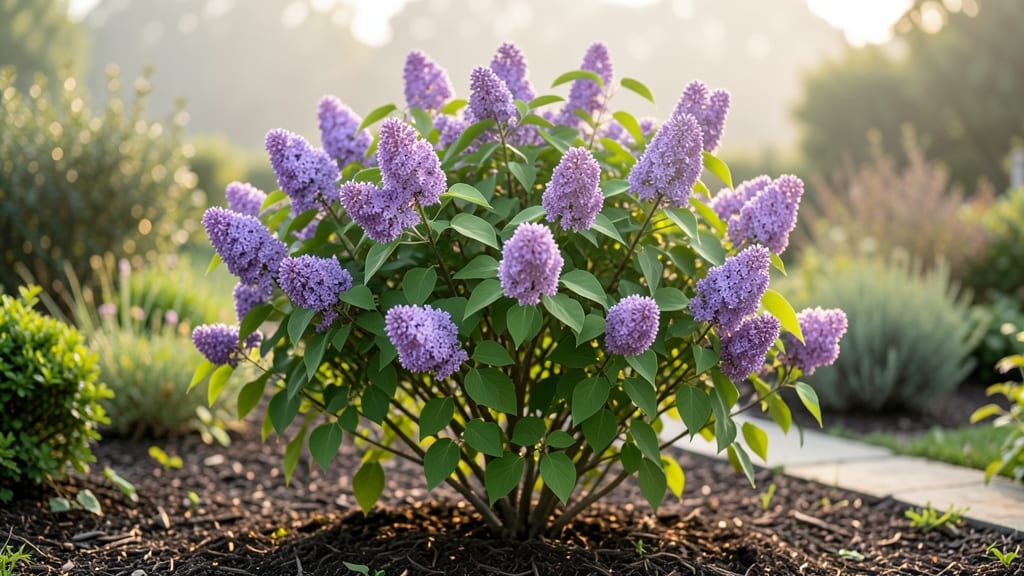
Lilacs on Mackinac Island bloom between late May and early June, turning the island into a fragrant cloud of purple and white 🌸 — but the exact timing depends on which variety you’re chasing and where you stand on the island.
Picture this: You’ve saved the date for the Mackinac Island Lilac Festival, only to arrive and find the Katherine Havemeyer blooms already fading. Or worse, the Marie Legray hasn’t even budded yet.
The difference? Microclimates on the island can shift bloom times by up to two weeks, thanks to sheltered coves and exposed ridges.
Why does this matter? Because the island’s 5b climate and lake breezes create pockets where lilacs burst into color earlier—or linger longer. Early bloomers like ‘Dwarf Korean’ might start in late May, while latecomers like ‘Miss Canada’ wait until early June. Knowing the nuances means you’ll never miss peak fragrance.
Below, I break down the exact bloom windows by variety, the microclimates that shift timing, and the secret spots where lilacs stay fresh the longest. No more guessing—just the data you need to plan your visit perfectly.
Mackinac island lilac bloom schedule by variety: exact weeks to plan your visit
Planning your trip to Mackinac Island around the lilac bloom means timing it perfectly—some varieties burst into fragrance as early as late May, while others linger into June.
The island's 150+ lilac varieties create a staggered sensory experience, with peak fragrance windows differing by 2-3 weeks depending on the cultivar. Historical data from the Mackinac Island Lilac Festival (since 1953) reveals these precise patterns.
For the best experience, aim for the first two weeks of June—this captures the overlap between early and mid-season bloomers. However, dedicated lilac enthusiasts often make multiple visits to catch the full spectrum.
The island's unique microclimates (protected coves vs. exposed ridges) can shift bloom times by up to 7 days, so location matters just as much as the variety.
The Katherine Havemeyer lilac, Mackinac Island's official flower, typically blooms during the first week of June, marking the festival's grand opening. This late-blooming variety is a crowd-pleaser with its deep purple clusters and intoxicating scent.
Meanwhile, early bloomers like Marie Legray (white) and President Lincoln (lavender) often begin opening in late May in sheltered areas.
Late-season varieties such as Duchesse de Nemours (pale pink) and Mme. Lemoine (lavender) may not reach peak fragrance until mid-June, making them worth returning for. The island's elevation differences (from lake level to 500+ feet) create distinct bloom zones—lower areas often bloom 3-5 days earlier than higher elevations.
| Variety | Peak Bloom Week | Fragrance Intensity | Color | Best Viewing Spot |
|---|---|---|---|---|
| Marie Legray | Late May | 9/10 | Pure white | Mission Point |
| President Lincoln | Early June | 8/10 | Lavender | Arch Rock |
| Katherine Havemeyer | First Week June | 10/10 | Deep purple | Lilac Festival Gardens |
| Duchesse de Nemours | Mid-June | 7/10 | Pale pink | Skull Cave Trail |
| Mme. Lemoine | Late June | 9/10 | Lavender | Fort Mackinac |
| Grenadilla | Early June | 6/10 | Crimson | Butterfly House |
The Katherine Havemeyer lilac, Mackinac Island's crown jewel, typically reaches its peak during the first full week of June, aligning with the festival's grand opening weekend. This variety's intense fragrance (rated 10/10) makes it the island's most sought-after bloom.
For those who can't make it to the festival, visiting during this window ensures you experience the full sensory experience—the combination of color, scent, and historical charm.
If you're planning a multi-day visit, prioritize late May for early bloomers like Marie Legray and Grenadilla, then return in mid-June for late varieties such as Duchesse de Nemours.
The island's protected coves (like Mission Point) often see blooms 3-5 days earlier than exposed areas, so check local forecasts for lake breezes that can delay blooming in windward locations.
Pro tip: The Lilac Festival Gardens near the island's downtown core concentrate the most diverse collection, with 20+ varieties blooming within a 10-day window. This makes it the ideal spot for a one-stop lilac tour.
For a more immersive experience, pair your visit with the Arch Rock area, where President Lincoln lilacs create a
How mackinac island’s microclimates shift lilac bloom times by up to 2 weeks
Mackinac Island’s lilac blooms don’t follow a single schedule—they’re influenced by microclimates that can shift bloom times by up to 2 weeks. Sheltered coves like Mission Point often see earlier blooms (mid-May) compared to exposed ridge gardens near Arch Rock (late May).
This variation happens because of lake breezes, soil warmth, and elevation differences.
The island’s southern exposure and Lake Huron’s moderating effect create distinct zones. Lilacs in low-lying areas near the water bloom first, while those on north-facing slopes lag behind. Even a 10-foot elevation change can delay blooms by 5-7 days due to cooler nighttime temperatures.
Lilacs in exposed ridge gardens (like near Fort Mackinac) often bloom 2 weeks later than sheltered coves. Check the 2024 Mackinac Island Lilac Festival map for real-time updates—this year’s late-May heatwave may push some varieties even later.
Soil type plays a surprising role too. Sandy loam near the shoreline warms faster in spring, triggering earlier blooms, while clay-heavy soils in upland areas retain moisture longer, creating a cooler microclimate.
These differences mean you might catch Katherine Havemeyer lilacs in full bloom at Mission Point while the same variety at Arch Rock is still budding.
For gardeners planning lilac pairings, this means selecting varieties with staggered bloom times. Early bloomers like ‘Dwarf Korean’ thrive in sunny coves, while late-season varieties such as ‘President Lincoln’ do better on north-facing slopes.
The island’s USDA Zone 5b classification hides these microclimatic nuances—knowing them helps extend your lilac-viewing window from late May to early June.
Pro tip: Visit Arch Rock’s upper gardens first for late bloomers, then walk down to Mission Point’s lower terraces to catch the earliest fragrance. The 1-mile elevation drop between these spots creates a 10-day bloom gradient—perfect for a full-day lilac tour.
Bring a notebook to track which varieties bloom where!
Understanding these patterns helps both local gardeners and visitors time their trips. If you’re planning a lilac festival visit, check the weekly bloom reports from the Mackinac Island Lilac Society—they adjust their peak bloom dates based on these microclimatic shifts every year. 🌸