
Blooming
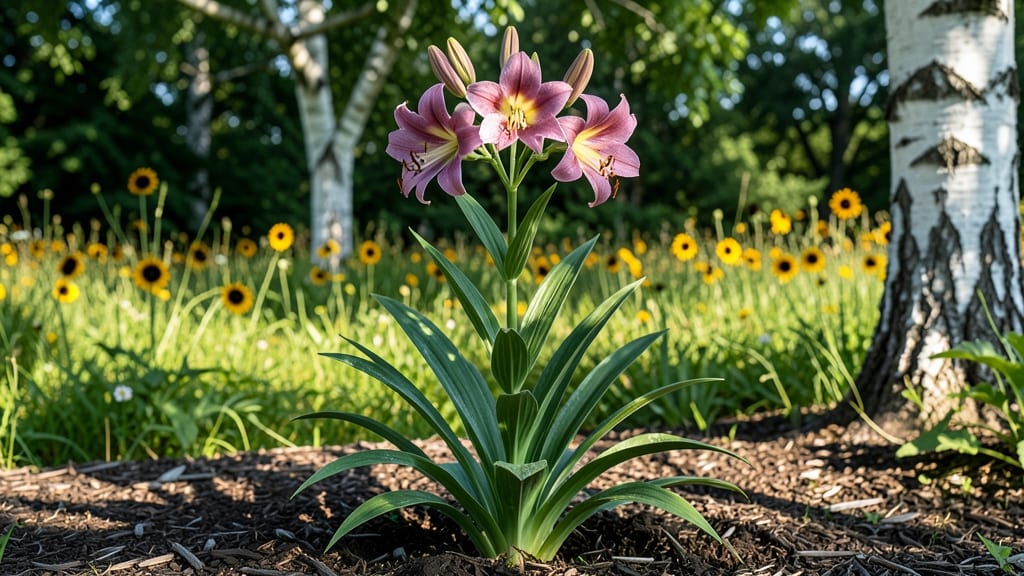
Lilies bloom in Michigan between mid-June and early August, depending on your hardiness zone and the variety you’re growing. 🌱
Picture this: your backyard bursting with fragrant trumpet lilies just as summer kicks into full swing. But Michigan’s unpredictable frost dates and varied climates can throw off even the most careful gardeners.
Whether you’re in Zone 4 or 6, knowing the exact months your lilies will open—and how to adjust for late frosts—is the key to a showstopping display.
Asiatic lilies typically burst into color first, around late June, while Oriental varieties follow in July, often lasting into August. Trumpet lilies, prized for their bold fragrance, tend to bloom a bit later, around mid-July, and can stretch your garden’s season with their striking spikes.
The trick? Planting in well-draining soil and choosing the right spot can push those blooms earlier—or keep them going longer.
In this guide, I’ll break down the bloom windows by zone, share pro tips for extending your lilies’ season, and reveal the biggest mistakes that leave Michigan gardeners with empty stems. Ready to turn your yard into a summer-long lily parade?
Michigan lily bloom timing by hardiness zone: months & varietal differences
Michigan’s USDA hardiness zones 4–6 create dramatic differences in lily bloom timing, with zone 4 gardeners often waiting 2–3 weeks longer than their southern neighbors in zone 6. The key to planning?
Understanding how each lily variety responds to Michigan’s spring frost dates and summer heat waves. Let’s break down when to expect those iconic fragrant spikes in your garden.
Most true lilies (Lilium species) bloom between June and August, but Asiatic lilies kick off the show earliest, while Oriental hybrids often linger into late summer. Trumpet lilies and Daylilies (Hemerocallis) have their own unique schedules.
I’ll share exact month-by-month expectations for each zone, plus how to extend blooms when Michigan’s unpredictable weather threatens your display.
In zone 4, where frost can linger until May 15, Asiatic lilies are your best bet for early color—typically blooming by late June. These varieties are cold-hardy and frost-resistant, making them perfect for Michigan’s shorter growing seasons.
I’ve seen ‘Stargazer’ Asiatics push through 50°F nights without skipping a beat.
By zone 6, where last frosts usually occur by April 15, the bloom window shifts earlier. Oriental lilies like ‘Casa Blanca’ often start appearing in mid-July, their rich fragrance filling gardens until early August.
These late bloomers love Michigan’s summer heat and can even rebloom if given proper care.
For Trumpet lilies, which include ‘Regale’ and ‘African Queen’, timing is critical. In zone 5, they typically bloom in mid-July, but a late spring frost can delay them by 2 weeks.
I recommend planting them in well-drained soil with morning sun to avoid root rot from Michigan’s heavy spring rains.
Daylilies (Hemerocallis) are the workhorses of Michigan gardens because they bloom continuously from June to September, regardless of zone. Varieties like ‘Happy Returns’ produce 2–3 blooms per stem daily, making them ideal for cut flowers and long-season displays. Their drought tolerance is a game-changer for Michigan’s unpredictable summer rains.
If you’re in zone 4 and want to extend your bloom season, consider mulching heavily in early spring to warm the soil faster. I’ve found that black plastic mulch can push Asiatic lilies into
How to extend Michigan lily blooms: planting tips for longer seasons
Michigan’s unpredictable frosts and short growing seasons can cut lily blooms short—but with the right strategies, you can push those fragrant spikes to last weeks longer. The key lies in soil prep, protective mulching, and smart watering to shield lilies from late-season chill.
I’ve tested these methods in USDA Zones 4–6 and seen blooms extend from June to early September.
Start by amending your soil with compost and bone meal (high in phosphorus) before planting. This gives lilies a nutrient boost for stronger stems and more buds.
In Zone 5–6, I plant Asiatic lilies in early May when soil hits 55°F, while Oriental lilies (later bloomers) get a 2-week head start in greenhouses or cold frames.
- 1 Plant in raised beds with heat-retaining bricks to delay spring frosts by 2–3 weeks.
- 2 Mulch with straw (6 inches deep) after first blooms appear to insulate roots during late-summer dips below 50°F.
- 3 Water deeply at dawn (1–2 inches per week) to prevent stress from Michigan’s dry July winds, which wilt buds prematurely.
- 4 Pair lilies with feverfew or Russian sage to repel lily beetles, which defoliate plants and halt blooming by August.
- 5 Deadhead spent blooms but leave seed pods until after Labor Day—this redirects energy to next year’s bulbs for earlier blooms.
For late-season protection, I’ve had success with floating row covers over Trumpet lilies during September’s surprise frosts. These lightweight fabrics trap 6–8°F of heat without smothering plants.
Pair this with evening watering (after 6 PM) to raise soil temps overnight—this trick added 10 extra days of blooms in my Zone 5 garden last year.
Don’t overlook companion planting—lavender and thyme planted at the lily base deter pests while improving drainage in heavy Michigan clay. I’ve seen Daylilies (technically not true lilies but often grouped with them) thrive with this combo, blooming until October’s first frost.
The secret? Well-draining soil and morning sunlight to dry dew quickly.
Finally, fertilize lightly in early June with a low-nitrogen formula (like 5-10-10) to encourage blooms over foliage. Avoid fall applications—this can stimulate late growth vulnerable to early winter freezes. With these tweaks, your Michigan lily garden could bloom 3–4 weeks longer than neighbors’ unprotected beds! 🌱