
Propagation
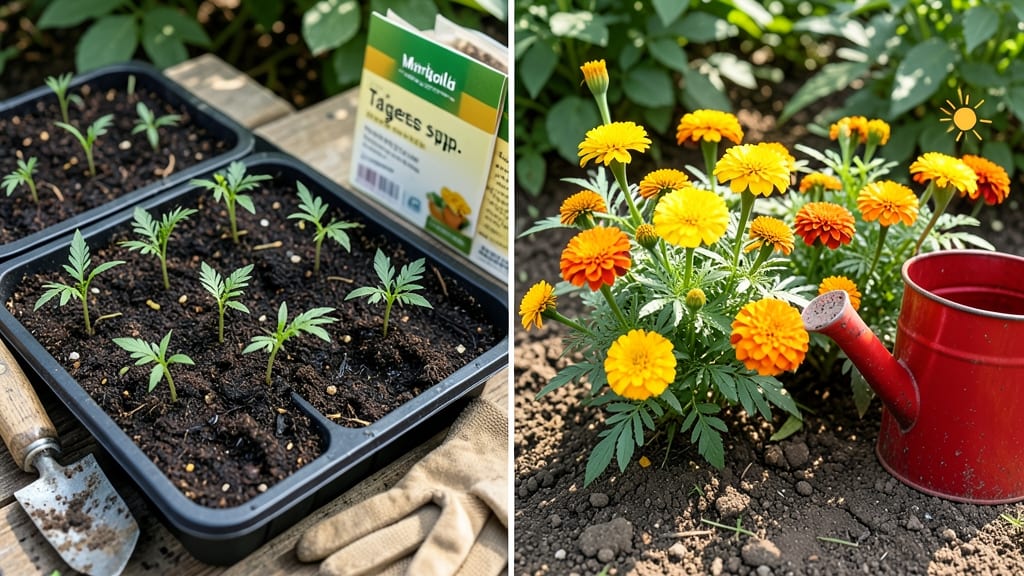
Marigolds bloom from seed in 45 to 75 days depending on the variety and growing conditions, turning your garden into a burst of cheerful color 🌼.
If you’re eager to see vibrant orange, yellow, or gold blooms brightening your garden, timing is everything—especially when growing marigolds from seed. But how long must you wait before those first cheerful flowers appear?
The answer depends on whether you’re growing fast varieties like French marigolds (ready in 45 days) or slower types like African marigolds (closer to 75 days). Climate, soil warmth, and sunlight all play a role in speeding up—or delaying—that first bloom.
Here’s what you’ll learn: the exact bloom timelines for popular varieties, how to cut weeks off your wait with simple tricks, and what to watch for if your marigolds seem stuck in the seedling stage.
How long until marigolds bloom from seed: exact days by variety
If you're growing marigolds from seed, patience is key—but knowing the exact bloom timeline for your variety helps set realistic expectations.
Most marigolds take between 45 to 75 days to flower from seed, but this varies dramatically by type. French marigolds are the speediest, while African marigolds can take nearly twice as long. Understanding these differences helps you plan your garden layout and succession planting for continuous color.
Your marigold's bloom time also depends on growing conditions like sunlight, soil temperature, and water consistency. For example, Signet marigolds thrive in cooler weather but still need warmth to trigger flowering.
Meanwhile, African marigolds love heat and may bolt if temperatures drop too quickly. Let’s break down the exact days to expect blooms for each popular variety under ideal conditions.
🌱 Pro Tip: Start seeds indoors 4-6 weeks before your last frost date to give them a head start. Use seedling trays with well-draining soil and keep them in a warm spot (around 70°F) to speed up germination.
| Variety | Days to First Bloom (Ideal Conditions) | Heat Tolerance | Cool-Season Performance | Best For |
|---|---|---|---|---|
| French Marigold (e.g., 'Bonanza', 'French Vanilla') | 45-55 days | Moderate (prefers warmth) | Good (tolerates cooler temps) | Borders, containers, early blooms |
| Signet Marigold (e.g., 'Petite', 'Mini Mix') | 50-60 days | Low (needs warmth) | Excellent (cool-season performer) | Windowsills, hanging baskets, fall gardens |
| African Marigold (e.g., 'Tangerine Gem', 'Crackerjack') | 60-75 days | High (heat-loving) | Poor (struggles in cool weather) | Sunny borders, pest deterrents, late-season blooms |
| Mexican Marigold (e.g., 'Mexican Sun', 'Mexican Blanket') | 55-70 days | Very High (drought-tolerant) | Fair (needs heat) | Dry climates, pollinator gardens, long-season color |
French marigolds are the fastest bloomers, often rewarding you with bright orange or yellow flowers in just 6 weeks under ideal conditions. This makes them perfect for early-season gardens or filling gaps where annuals failed to thrive.
Their compact size also makes them ideal for container gardening or edging flower beds.
If you're planting for fall color, Signet marigolds are your best bet. They handle cooler temperatures better than other varieties and can still bloom reliably in USDA Zones 7-10 if sown in late summer.
Their smaller stature (often under 12 inches tall) makes them perfect for window boxes or hanging baskets, where they’ll spill over with cheerful blooms.
For gardeners in hot, dry climates, African marigolds are the showstoppers—but patience is required. These varieties need consistent warmth (above 75°F) to trigger flowering, which is why they often take the longest to bloom.
However, their large, bold blooms and pest-repellent properties make the wait worthwhile. Plant them in full sun and water deeply but infrequently to encourage strong root growth.
Mexican marigolds strike a balance between speed and resilience. They’re drought-tolerant and thrive in arid conditions, making them ideal for xeriscaping or low-maintenance gardens. While they take slightly longer to bloom than French varieties, their longer flowering season (often until frost) means more bang for your buck.
🌡️ Temperature Matters: Marigolds need soil temps above 60°F to germinate and 70°F+ to flower. If your spring is slow to warm, consider using black plastic mulch or a seedling heat mat to speed up germination. For fall plantings, wait until nighttime temps stay above 55°F to avoid stunted growth.
One common mistake gardeners make is overcrowding seedlings, which delays flowering. Thin your marigolds to 12-18 inches apart (depending on variety) to give them room to grow. This reduces competition for nutrients and light, helping them bloom faster and more abundantly.
Pair them with companion plants like basil or tomatoes to maximize space and improve pest control.
For continuous blooms
5 Proven ways to speed up marigold blooming from seed
Waiting for marigolds to bloom from seed can feel like an eternity, but with the right techniques, you can shave weeks off their growth timeline.
Most varieties take 60-75 days to flower under ideal conditions, but poor light, cool soil, or overcrowding can stretch that to 90 days or more. The good news? Small adjustments in your care routine can trigger faster blooming—without resorting to chemical shortcuts.
Marigolds thrive on consistency, and their photosynthetic response accelerates when they receive the right balance of warmth, light, and nutrients. For example, African marigolds (like 'Tangerine Gem') often bloom 10-14 days earlier than French marigolds when given optimal growing conditions.
The secret lies in mimicking their natural tropical environment—warm soil, full sun, and minimal stress.
- Warmth Boost: Use a seedling heat mat (70-75°F soil temp) to speed germination by 3-5 days. Marigolds germinate best in warm soil—cooler temps slow their metabolic rate.
- Light Optimization: Provide 14-16 hours of light daily with grow lights if natural sunlight is limited. Stretchy seedlings (etiolation) waste energy and delay flowering by 2-3 weeks.
- Transplant Shock Prevention: Harden off seedlings for 7-10 days before moving them outdoors. Gradual exposure to wind and sun reduces transplant stress, ensuring faster root establishment.
- Pinch Back Strategically: Once seedlings have 4-6 true leaves, pinch the top set of leaves to encourage bushier growth. This redirects energy to lateral branches, leading to 20% more blooms in the same timeframe.
- Fertilizer Timing: Switch to a low-nitrogen, high-phosphorus fertilizer (5-10-5) once buds form. Too much nitrogen promotes leafy growth at the expense of flowers, delaying blooms by up to 2 weeks.
One of the biggest mistakes gardeners make is overwatering seedlings, which leads to root rot and stunted growth. Marigolds prefer well-draining soil, and soggy conditions can push back blooming by 3-4 weeks.
I’ve found that watering deeply every 3-4 days (rather than daily light sprinkles) encourages stronger root systems, which in turn supports faster flowering.
If you’re growing marigolds in containers or raised beds, choose a mix with perlite or vermiculite to improve aeration. Poor drainage isn’t just a root problem—it also limits nutrient uptake, which directly impacts bloom production.
For example, French marigolds in heavy clay soil may take 10-15 days longer to flower compared to those in amended soil.
Finally, don’t overlook the power of succession planting. By sowing new seeds every 2 weeks in early spring, you’ll have a continuous supply of blooms throughout the season. This is especially useful for Signet marigolds, which are compact but slower to mature.
Staggered planting ensures you always have fresh flowers while minimizing gaps in your garden’s color palette.
With these techniques, you can expect your marigolds to bloom 2-3 weeks earlier than average—turning your garden into a vibrant display sooner than you thought possible.
The key is patience paired with precision, and before you know it, those cheerful blooms will be ready to attract pollinators and repel pests naturally. 🌼