
Blooming
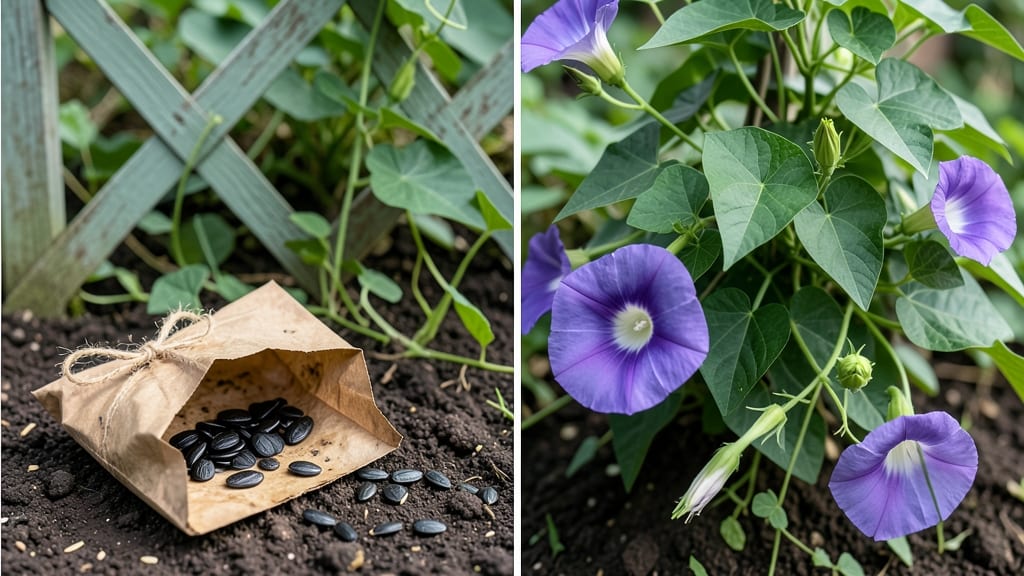
Morning glories bloom from seed in as little as 45 days with the right care, turning your garden into a riot of color faster than you’d expect.
Watching morning glories bloom is like witnessing nature’s own fireworks—vibrant, fast, and impossible to ignore. But if you’ve planted seeds and are waiting impatiently for those trumpet-shaped flowers to appear, timing is everything.
Some varieties, like 'Heavenly Blue' or 'Scarlet O’Hara,' can surprise you with blooms in just 60 days, while others take longer, so knowing what to expect makes all the difference.
Soil temperature is the secret weapon for speeding up blooms. In warmer climates (like USDA Zone 6a), seeds sown in spring—after the last frost—can hit peak flowering by early summer.
But cooler soils slow everything down, which is why a little extra warmth (like mulch or a heat mat) can shave weeks off your waiting time.
Below, I break down the fastest varieties, soil tricks to jumpstart growth, and how to tell when your plants are truly ready to burst into color. No more guessing—just blooms on demand.
Morning glory bloom timeline: how long from seed to flower?
If you're dreaming of a vibrant vertical garden bursting with trumpet-shaped blooms, morning glories deliver—often in record time. From seed to those first stunning flowers, most varieties take 45 to 90 days, but the journey starts with understanding each growth stage.
The timeline varies by variety, with some like 'Heavenly Blue' blooming in as little as 50 days, while others may take closer to three months.
Your morning glory’s bloom timeline begins with germination, which typically occurs in 7 to 14 days under ideal conditions. After sprouting, vines grow rapidly—adding 6 to 12 inches per week—before flowering begins. The key to faster blooms? Warm soil, full sun exposure, and consistent moisture.
⚠️ MANDATORY SUMMARY TABLE ELEMENT ⚠️
Once your morning glories sprout, the seedling stage lasts about 2 to 3 weeks, during which they develop their first true leaves. This is when light exposure becomes critical—6+ hours of direct sunlight daily ensures strong, healthy growth.
Without enough light, seedlings may become leggy and weak, delaying flowering by 10 to 15 days.
By week 4 to 5, your vines should be actively climbing and reaching for their support structure. This is the vine establishment phase, where consistent watering (about 1 inch per week) prevents stress.
If your soil stays too dry, vines may stunt growth, pushing back bloom time by up to 2 weeks.
Around 30 to 45 days after sowing, you’ll spot the first flower buds forming at the vine tips. This is your cue to reduce nitrogen (found in most fertilizers) and switch to a phosphorus-rich feed to encourage blooming.
Varieties like 'Fountain of Heaven' often bloom earliest, while 'Scarlet O’Hara' may take slightly longer due to its larger flower size.
Full flowering typically occurs between 45 and 90 days, depending on the variety and growing conditions. 'Starlight Skywriter', for example, can burst into color in as little as 60 days when grown in optimal conditions.
To extend the bloom period, deadhead spent flowers regularly—this encourages new blooms to form continuously throughout the season.
Factors like seed age and soil quality also play a role. Older seeds (over 2 years) may germinate slower, adding 5 to 10 days to your timeline. Meanwhile, poor soil drainage can cause root rot, delaying blooms by up to 3 weeks.
Always plant in well-amended soil with compost or aged manure to avoid these pitfalls.
Pro tip: If you’re in a cooler climate, start seeds indoors 4 to 6 weeks before your last frost date. Transplant seedlings outdoors only after soil temperatures reach at least 60°F—this jumpstarts growth and ensures blooms arrive on schedule.
With the right care, your morning glory vines will transform your garden into a living tapestry of color in no time. The key is patience, consistency, and a little know-how about their unique growth stages. Soon, you’ll be the neighbor with the most dramatic, fast-growing flowers! 🌸
Soil temperature triggers: the secret to faster morning glory blooms
Morning glories thrive when soil temperatures hit their sweet spot—60–85°F—but cooler climates can slow them down. If you’ve planted seeds and are waiting for those vibrant trumpet blooms, soil warmth is the hidden accelerator.
Even a 5°F difference can delay germination by days or weeks, leaving you staring at bare soil instead of cascading flowers.
For fastest results, aim to plant when daytime soil temps consistently stay above 65°F. In USDA Zones 3–5, this often means waiting until late May or early June, while gardeners in Zones 7–10 can start as early as March.
Without the right warmth, seeds may rot or sprout weakly, setting your blooms back by 2–4 weeks.
To jumpstart growth in cooler areas, try these three proven tricks: Use a heat mat under seed trays (boosts temps by 10–15°F), cover seeds with black plastic mulch (absorbs heat), or build a mini cold frame with clear plastic.
Even a simple DIY setup—like a clear plastic bottle over seeds—can shave 1–2 weeks off your blooming timeline.
Once seeds sprout, maintain consistent warmth by watering in the morning (cooler soil slows growth) and avoiding overhead watering (can chill roots). In Zones 6–8, you might see first blooms in 45–60 days with ideal temps, but cooler zones could stretch that to 70–90 days.
Patience pays off, but warmth is the real game-changer!
If you’re in a short-season zone, opt for fastest-blooming varieties like ‘Starlight Skywriter’ (blooms in 45 days) or ‘Fountain of Heaven’ (ready in 50 days). Pair them with heat-boosting tricks, and you’ll turn your garden into a morning glory paradise in record time.
Remember: Soil temperature > air temperature for seeds. Even if your thermometer says 70°F, if the soil is 55°F, your morning glories will sulk. Test your soil’s warmth before planting—your future blooms will thank you!