
Blooming
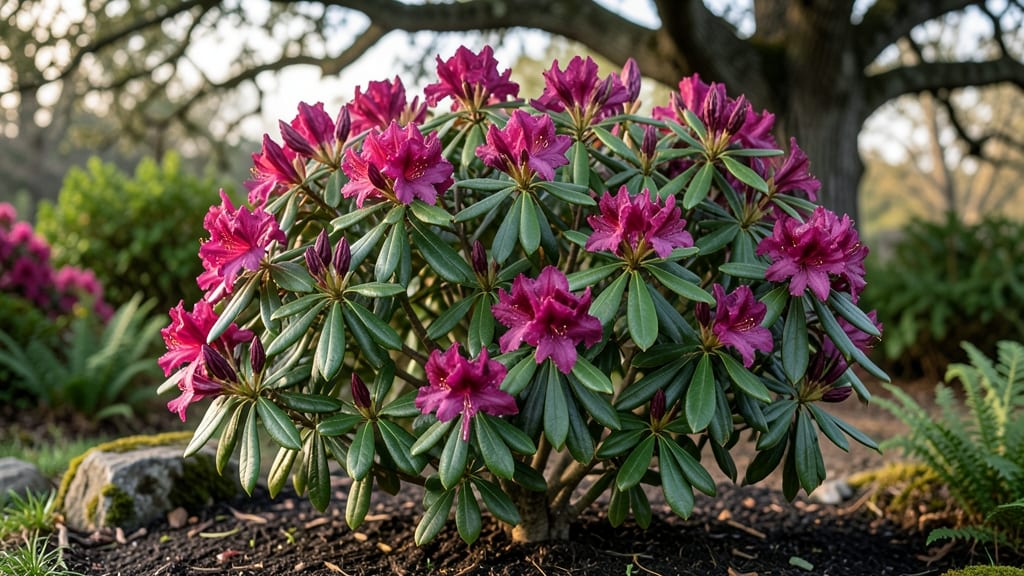
Rhododendrons in North Carolina bloom between April and June, but the exact timing depends on elevation, variety, and microclimates.
Picture this: the mountains burst into color in early April, while the Piedmont waits until May, and coastal gardens linger into June. That’s how dramatically location shifts the show—something I learned the hard way when my PJM rhododendron bloomed weeks early after a warm winter.
For gardeners, this means planning pruning after blooms fade (never in spring!) and choosing varieties that match your zone. A Girard’s Pink might dazzle in May, while a Nova Zembla could hold on until June—if you give it the right acidic soil and shade.
Below, I break down the exact months by elevation, the top varieties for extended blooms, and care tips to keep your rhododendrons flourishing year after year.
North Carolina rhododendron bloom schedule by elevation zones (mountains vs. piedmont vs. coastal)
North Carolina’s rhododendron blooms create some of the state’s most breathtaking spring displays, but timing varies wildly depending on your elevation zone. In the cool mountain regions, blooms arrive earliest—often by mid-April—while coastal areas may not see peak color until June.
These differences stem from temperature variations, with higher elevations experiencing cooler nights that trigger earlier bud opening.
Understanding these patterns helps you plan garden visits, pruning schedules, or even select varieties that align with your local climate. For example, 'Catawbiense' thrives in the mountains, while 'Grandiflorum' often blooms later in piedmont gardens. Microclimates—like valleys or south-facing slopes—can also shift bloom windows by 1-2 weeks in either direction.
Here’s how temperature plays a key role: rhododendrons need chilling hours (300-600) during winter to set buds, but warm spring days (50-60°F) kickstart flowering. Coastal areas often experience warmer winters, delaying bud formation until February or March, while mountain regions may see buds swell as early as January.
If you’re planning a rhododendron pilgrimage, the Blue Ridge Parkway offers prime mountain views in late April, while Asheville’s gardens peak by early May.
For piedmont gardeners, Duke Gardens in Durham typically hits its stride in mid-May, while coastal enthusiasts should visit Myrtle Beach State Park in early June for full displays.
Microclimates within each zone can create localized variations. For instance, a south-facing slope in the mountains may bloom 1-2 weeks earlier than a north-facing site at the same elevation. Similarly, urban areas with heat islands (like Raleigh) often see delayed blooms compared to rural piedmont locations.
To account for this, I recommend monitoring local weather stations for chilling hours and spring temperature spikes.
For gardeners looking to extend bloom seasons, selecting a mix of early, mid, and late varieties can create a 3-4 week display. For example, pairing 'Nova Zembla' (early) with 'Girard’s Pink' (late) ensures continuous color.
Additionally, mulching with pine straw helps retain moisture and regulate soil temperature, which can encourage more uniform flowering.
Pruning also impacts timing—always wait until after blooms fade (typically June-July) to avoid cutting off next year’s buds. In coastal zones, where blooms arrive later, this window shifts to late July to accommodate the delayed cycle.
Over-pruning can reduce next year’s flowering intensity by up to 30%, so I recommend removing only spent blooms and wayward branches.
Soil pH plays a subtle but critical role in timing. Rhododendrons thrive in acidic soil (pH 4.5-6.0), and even slight alkalinity can delay bud formation. If your garden soil tests higher, amend with sulfur or pine needles in early fall to give roots time to adjust before winter chilling.
This adjustment can shift bloom windows by 7-10 days in optimal conditions.
Finally, keep an eye on unseasonable weather. A late frost in April can damage mountain blooms, while an early heatwave in May might cause coastal rhododendrons to bolt their flowers prematurely. For real-time updates, I follow NC State Extension’s rhododendron bloom reports, which track regional variations annually.
Top 5 early, mid, and late-blooming rhododendron varieties for NC gardens
North Carolina’s diverse climate lets you enjoy rhododendrons from early spring through summer. By selecting varieties that bloom at different times, you can create a continuous floral display in your garden. The key is understanding each variety’s bloom period and how it thrives in your specific USDA zones (typically 7a-8b).
For extended seasonal interest, I recommend blending early, mid, and late bloomers. This strategy ensures your garden stays vibrant from April through June, with some varieties even lingering into July. Let’s explore the top five varieties that shine in NC’s gardens.
| Bloom Period | Variety | Color | Height | USDA Zones | NC Adaptability |
|---|---|---|---|---|---|
| Early | 'PJM' | Lavender-pink | 4-6 ft | 3-7 | Excellent in mountains |
| Early | 'Nova Zembla' | Deep rose-purple | 6-8 ft | 3-6 | Thrives in piedmont |
| Mid | 'Elizabeth' | Soft pink | 3-5 ft | 4-8 | Coastal-friendly |
| Mid | 'Carolina Blush' | Blush pink | 4-6 ft | 5-9 | Native NC favorite |
| Late | 'Girard’s Pink' | Bright pink | 8-10 ft | 4-8 | Mountain specialist |
| Late | 'Roseum Elegans' | Creamy white | 6-8 ft | 5-9 | Versatile for all zones |
The 'PJM' and 'Nova Zembla' varieties are my top picks for early bloomers. They burst into color as early as late March to April, perfect for adding spring color when few other plants are blooming.
Their hardiness in zones 3-7 makes them ideal for NC’s mountain regions where winters can be harsh.
For mid-season blooms, 'Elizabeth' and 'Carolina Blush' deliver soft pink hues from mid-April through May. These varieties are particularly well-suited to NC’s piedmont and coastal areas, where temperatures are milder. 'Carolina Blush', being native, requires less maintenance and attracts pollinators.
To extend your rhododendron season, plant 'Girard’s Pink' and 'Roseum Elegans