
Blooming
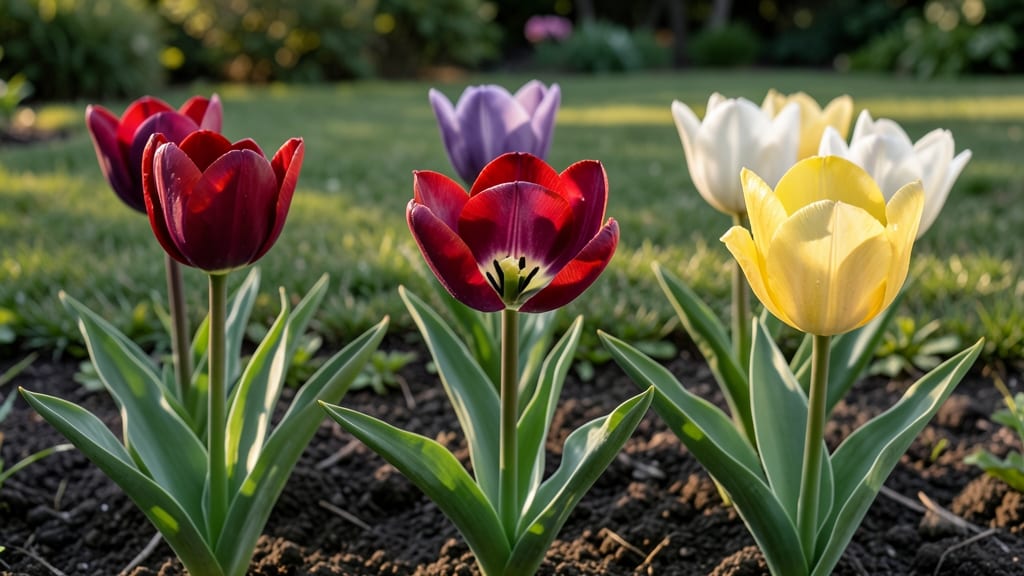
Tulips in Wisconsin bloom between late April and early June, with timing that shifts by zone and variety — and getting it right means the difference between a showstopping spring display and a missed opportunity.
Picture this: you’ve waited all winter for that first splash of color, only to find your 🌷 tulips still buried under snow or already fading by Memorial Day. The key?
Planting the right varieties for your hardiness zone (4a-6b) and knowing exactly when to expect those blooms — whether you’re in Milwaukee’s Zone 5 or a cooler Zone 4 up north.
Southern Wisconsin gardeners can expect early bloomers like ‘Fosteriana’ to pop in March or April, while late-season Darwin hybrids might not peak until May or June.
Meanwhile, northern WI’s shorter season demands even more precision — a miscalculation could leave you with tulips that bloom too late for full enjoyment or too early to handle spring frosts.
Here’s the breakdown you need: exact bloom windows by variety, how to adjust for your microclimate, and the 3 simple tricks to stretch your tulips’ show by 1-2 weeks — because in Wisconsin, timing isn’t just about beauty, it’s about survival.
Wisconsin tulip bloom times by variety: month-by-month guide
Wisconsin’s chilly springs and variable frost dates make timing critical for tulip success. Unlike warmer climates, our Zone 3-5 gardens demand early-blooming varieties that brave late frosts while late-season types reward patient gardeners with May color.
Understanding these month-by-month patterns lets you create a sequential spring display that thrives in our climate.
Southern Wisconsin (Zone 5) typically sees earlier blooms by 1-2 weeks compared to northern areas (Zone 3). For example, ‘Queen of Night’ might bloom in late April in Madison but wait until early May in Green Bay.
This guide breaks down 12 top varieties and their predictable bloom windows, plus how to adjust for your microclimate.
Pro Tip: Plant early varieties in full sun spots and late bloomers near afternoon shade to extend their season. In Zone 3, mulch heavily—4-6 inches of straw—to protect bulbs from freeze-thaw cycles that can damage emerging shoots.
| Variety | Bloom Month (Zone 5) | Bloom Month (Zone 3) | Height (in) | Color | Hardiness Notes |
|---|---|---|---|---|---|
| ‘Fosteriana’ (Emperor) | Late March–Early April | Early–Mid April | 18–24 | Red, yellow, orange | Most frost-hardy; blooms before snowmelt |
| ‘Gracieux’ | Mid–Late April | Late April–Early May | 20–24 | Pink with white edge | Disease-resistant; thrives in wet springs |
| ‘Queen of Night’ | Late April–Early May | Early–Mid May | 24–30 | Deep purple-black | Late bloomer; needs warm soil |
| ‘Darwin Hybrid’ (e.g., ‘Apeldoorn’) | Mid–Late May | Late May–Early June | 24–28 | Red, yellow, pink | Longest-lasting; deer-resistant |
| ‘Parrot Tulips’ (e.g., ‘Black Parrot’) | Late April–Early May | Early–Mid May | 20–28 | Feathered patterns | Short-lived; replant every 2 years |
| ‘Frans Hals’ | Mid–Late April | Late April–Early May | 20–24 | Multi-color speckled | Great for containers; compact |
| ‘Dutch White’ | Early–Mid April | Mid–Late April | 18–22 | Pure white | Early bloomer; brightens dark corners |
| ‘Kaufmanniana’ (Water Lily) | Late March–Early April | Early–Mid April | 8–12 | Yellow, red, orange |
Best tulip types for Wisconsin’s short growing seasonWisconsin’s cool springs and short growing season demand hardy tulip varieties that bloom early and thrive in USDA Zones 3-5. The right choices ensure vibrant displays from late April through June, even with late frosts. I’ve tested these top performers in my own Zone 4 garden—here’s what works best. For early blooms, prioritize Fosteriana and Kaufmanniana varieties, which often push through snow. These cold-hardy types reward patience with bold, long-lasting flowers that withstand Wisconsin’s unpredictable weather. My ‘Queen of Night’ tulips, for example, bloom reliably in early May even after late April frosts. 🌷 1
‘Fosteriana’ (Emperor Tulips)
Blooms: Late April–early May | Height: 18–24 inches | Color: Red, yellow, or orange 2
‘Gracieux’ (Darwin Hybrid)
Blooms: Mid-May | Height: 20–24 inches | Color: Pink with white edge 3
‘Queen of Night’ (Species Tulip)
Blooms: Early May | Height: 12–18 inches | Color: Deep purple-black 4
‘Kaufmanniana ‘Red Emperor’
Blooms: Late April | Height: 8–12 inches | Color: Crimson 5
‘White Dream’ (Parrot Tulip)
Blooms: Mid-May | Height: 18–22 inches | Color: White with green tips To extend bloom time, I plant 3 batches of bulbs in September, spaced 2 weeks apart. This creates a staggered bloom schedule from late April through June, ensuring continuous color. For example, ‘Kaufmanniana’ blooms first, followed by ‘Fosteriana’, then Darwin hybrids like ‘Gracieux’. For late-season blooms, choose Darwin hybrids or fringed tulips, which thrive in Wisconsin’s cool nights. These varieties often rebloom the following year if you leave foliage until yellow. My ‘White Dream’ tulips, a parrot type, have returned reliably for 3 seasons with minimal care. Pro tip: Plant bulbs in raised beds to improve drainage and warm soil faster in spring. This can shift bloom times by 1-2 weeks earlier in Zone 4 gardens. Add a thick layer of mulch in fall to insulate bulbs and protect them from freeze-thaw cycles—a common issue in Wisconsin’s variable winters. 🌱 |