Blooming
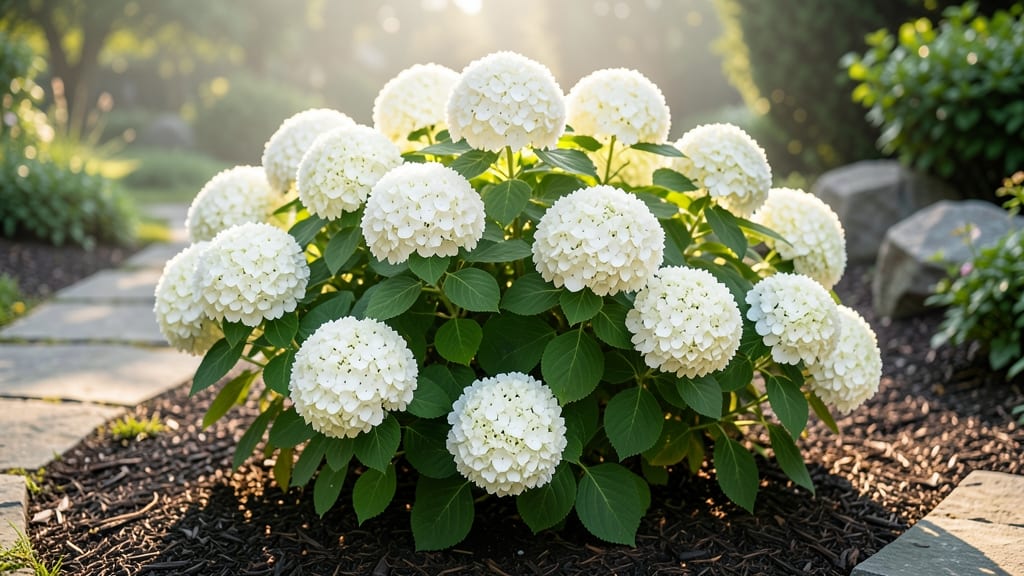
The White Wedding Hydrangea bloom time spans from late spring to early summer, with a second flush of flowers in late summer—if you give it the right conditions.
Picture this: your garden bursting with 🌸 clusters of white blooms, but you’re left wondering why they never last past July. The truth? Timing isn’t just about the calendar—it’s about sunlight, soil, and when (or if) you prune.
In USDA Zone 6a, where many gardeners live, the first blooms appear around June, but heat or neglect can cut that second show short.
What if you could stretch those flowers into September? The secret lies in pruning at the right time, adjusting soil pH for white blooms, and protecting your plant from late-season heat.
Below, I’ll walk you through the exact steps to turn your hydrangea into a repeat performer—no guesswork, just blooms.
Ready to unlock two seasons of White Wedding Hydrangea magic? Let’s start with the zone-by-zone bloom calendar and the one pruning mistake that kills reblooms.
When does white wedding Hydrangea bloom? Zone-by-Zone bloom time guide
The White Wedding Hydrangea (Hydrangea macrophylla 'White Wedding') is famous for its lush white blooms, but timing varies dramatically by USDA zone.
In cooler zones like 5-6, expect your first flowers in late May to June, while warmer zones 8-9 may see blooms as early as April. The real magic? This variety often reblooms in summer or fall—if you care for it right!
Understanding your zone helps you time pruning and fertilizing for maximum blooms. For example, Zone 7 gardeners might see primary blooms in May-June and a second flush in August-September.
Meanwhile, Zone 9 growers could enjoy year-round blooms with proper winter protection. Let’s break it down by zone so you know exactly when to expect those dreamy white clusters.
🌸
| USDA Zone | Primary Bloom Time | Rebloom Time | Frost Sensitivity | Heat Tolerance |
|---|---|---|---|---|
| 5-6 | Late May - June | August - September (if rebloom triggered) | High (late frosts delay blooms) | Moderate (needs afternoon shade) |
| 7 | May - June | July - September | Moderate (protect from early frosts) | Good (handles summer heat) |
| 8 | April - May | June - October | Low (minimal frost risk) | High (thrives in heat) |
| 9 | March - April | May - November (continuous blooms) | None (frost-free) | Excellent (best for reblooming) |
In Zones 5-6, late frosts can delay blooms until June, while Zones 8-9 often see earlier blooms in April or March. The key to reblooming lies in late-summer pruning—cut back 1/3 of old wood in September to encourage next year’s buds.
Without this step, you’ll miss the summer/fall rebloom entirely!
Heat also plays a role. In Zone 9, where summers are long and hot, your White Wedding may bloom continuously if given consistent moisture. However, in Zone 7, a dry spell in July can cause buds to drop.
Always mulch deeply (3-4 inches) to retain soil moisture and protect roots from temperature swings.
💧
Did you know? The color of your blooms can shift based on soil pH. For pure white flowers, aim for a pH of 5.5-6.5. Test your soil in early spring and amend with elemental sulfur to lower pH if needed.
Acidic soil also helps prevent powdery mildew, a common issue in humid Zone 8-9 summers.
If you’re in Zone 5, protect your hydrangea with
How to extend white wedding Hydrangea bloom time: pruning & care secrets
Your White Wedding Hydrangea can bloom twice a year with the right care—but timing is everything. The key lies in strategic pruning, soil pH adjustments, and consistent moisture. Unlike some hydrangeas, this variety thrives with late-summer pruning to encourage new growth for next year’s flowers.
Let’s break down the exact steps to maximize those showstopping white blooms from spring through fall.
First, test your soil pH—White Wedding needs 4.5 to 5.5 for vibrant white flowers. If your soil is too alkaline, the blooms may turn pink! Amend with sulfur or peat moss in early spring.
Pair this with deep, consistent watering (1-2 gallons per plant weekly) to prevent stress. Mulch around the base to retain moisture and regulate soil temperature.
Cut back spent blooms and overgrown stems to 1-2 inches above the first set of leaves. This encourages new growth for next year’s flowers while preserving the plant’s energy.
Remove dead or weak stems but leave healthy buds intact. Avoid heavy pruning—this variety blooms on old and new wood, so preserve last year’s growth for early-season flowers.
Test soil pH every 6 months. For white blooms, aim for 4.5-5.5. Use hydrangea-specific fertilizer (low nitrogen) in early spring and after blooming to fuel rebloom potential.
Mulch 3-4 inches deep around the base and wrap young plants in burlap if temps drop below 10°F. This prevents frost damage to next year’s buds.
Don’t overlook light exposure—White Wedding loves morning sun and afternoon shade, especially in hot climates. Too much direct sun can scorch leaves and reduce bloom quality.
If your plant isn’t reblooming, check for over-fertilization (high nitrogen = leafy growth, fewer flowers). Switch to a balanced 10-10-10 fertilizer in early spring to encourage blooms.
Pro tip: Deadhead spent blooms in late summer to redirect energy toward new growth. This simple step can extend your bloom season by 4-6 weeks!
Pair it with weekly deep watering (1-2 gallons per plant) to keep roots hydrated without waterlogging. Consistency is key—hydrangeas hate dry spells or soggy soil.
With these pruning secrets and care adjustments, your White Wedding Hydrangea will reward you with longer bloom cycles—think June through September in ideal conditions. Just remember: prune late, feed light, and keep it hydrated for those dreamy white cascades year after year.